Last Updated on April 14, 2026
Table of Contents
Thor: Thunderer, Protector, and Wielder of Mjölnir
Thor, also written as Þórr and pronounced “THORR,” stands as one of the most recognizable figures in early Scandinavian tradition, where his strength, courage, and direct nature define his enduring presence across countless stories. The Old Norse spelling Þórr includes the letter “Þ,” called thorn and pronounced like “th” in “thin,” while “ó” sounds like “oh,” giving the full name a powerful and resonant tone. Alternate spellings such as Thórr and Thor reflect linguistic shifts across regions, yet they preserve the identity of a figure closely tied to thunder, storms, and protection.
He commands attention through his association with thunder and lightning, which he channels through his hammer Mjölnir, pronounced “MYOL-neer,” where “jö” sounds like “yo” and reflects a distinctive vowel combination. This weapon serves not only as a tool of destruction against enemies, but also as a symbol of protection for both gods and humans, reinforcing Thor’s role as a guardian figure. His presence often brings stability in moments of chaos, especially when external threats challenge established order.
Thor’s personality combines immense physical strength with a straightforward mindset, which leads him to act quickly and decisively in situations that demand immediate response. Unlike more calculating figures, he relies on instinct and force, yet he remains deeply committed to defending his Community and maintaining balance within his world. This combination of power and loyalty ensures that his actions carry both destructive and protective consequences, depending on the situation he faces.
Strength, Journeys, and Encounters
Thor frequently travels across realms, confronting giants and other adversaries who challenge his authority and threaten stability, which creates a pattern of encounters that emphasize action and confrontation. These journeys often place him in unfamiliar environments, where his strength and determination allow him to overcome obstacles that would overwhelm others. His willingness to engage directly with danger reflects a mindset that values courage and immediate action over hesitation or complex planning.
His hammer Mjölnir plays a central role in these encounters, returning to his hand after each throw and reinforcing his connection to power and control over destructive forces. This recurring element highlights not only his strength but also his mastery over the tools he wields, which amplifies his effectiveness in battle. Through these repeated confrontations, Thor establishes himself as a reliable defender who responds to threats with unwavering resolve.
Thor also interacts with other figures in ways that reveal both humor and intensity, since some stories present him in situations that test his patience or challenge his straightforward approach. These moments add depth to his character, showing that even a figure defined by strength encounters situations that require adaptability and persistence. His ability to navigate these experiences reinforces his role as more than a warrior, presenting him as a figure capable of growth through action.
Names, Pronunciation, and Literary Presence
The name Þórr includes unique characters that shape its pronunciation, where “Þ” produces a clear “th” sound and “ó” extends into a rounded “oh,” resulting in a name that carries both clarity and weight. Another important term associated with him, Mjölnir, includes the letter “ö,” pronounced like “ur” in “burn,” which adds a distinct sound that reflects its linguistic origin. These elements demonstrate how language preserves cultural identity through sound, even as spellings adapt over time.
Thor appears prominently in the Poetic Edda and the Prose Edda, where various poems and narratives describe his deeds, his battles, and his interactions with other figures in vivid and engaging detail. These works present him as a central force within the narrative landscape, emphasizing his strength and his role as a defender against constant threats. They also provide insight into how storytellers shaped his character through repeated themes of conflict, protection, and resilience.
Through these accounts, Thor continues to represent a powerful combination of physical strength, direct action, and unwavering commitment to protection, which ensures his lasting relevance across generations. His stories resonate because they focus on tangible challenges and decisive responses, creating a sense of immediacy that connects past narratives to present understanding. This enduring appeal secures his place as one of the most influential and widely recognized figures in early Scandinavian storytelling traditions.
Runes Associated with Thor
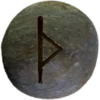
The rune Thurisaz (ᚦ), pronounced “THOO-ree-sahz,” connects closely with Thor through its association with raw force, conflict, and the controlled application of power in moments that demand decisive action. This rune reflects the tension between chaos and order, which mirrors Thor’s role in confronting powerful adversaries and restoring balance through strength. Its meaning emphasizes both danger and protection, highlighting the dual nature of force when used with intention.
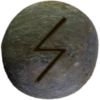
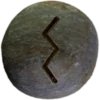
Another rune often linked to Thor is Sowilō (ᛊ or ᛋ), pronounced “SOH-wee-loh,” which represents the sun, vitality, and the driving energy that sustains life and movement across the world. This rune aligns with Thor’s dynamic presence, since his actions bring energy and momentum to the narratives in which he appears. Together, these runes capture themes of power and vitality, illustrating how Thor embodies both forceful action and the sustaining energy that supports continued existence.
Significance to Asatruar
Thor holds a central place among Asatruar, who look to his example as a model of strength, reliability, and active protection within both personal and communal contexts. His stories encourage individuals to face challenges directly and to act with clarity when circumstances demand decisive responses. This emphasis on action resonates strongly with values that prioritize courage, responsibility, and engagement with the world.
His role as a protector also carries deep meaning, since it highlights the importance of safeguarding community, family, and shared spaces against forces that threaten stability or harmony. This aspect of his character reinforces the idea that strength serves a purpose beyond personal gain, focusing instead on collective well-being and resilience. As a result, Thor continues to inspire those who seek guidance through examples of action, loyalty, and enduring strength.