Last Updated on April 20, 2026
Table of Contents

The Living Presence of Jörð
Jörð, also written as Jord or Hlóðyn in certain sources, represents the personified earth and the enduring foundation of life within early northern tradition. The name Jörð includes the letter “ö,” which people pronounce as “uh” or “er,” making the full name sound like “YERTH” with a soft “th” similar to the word “this.” This figure embodies the land itself, including soil, stone, and growing things, giving her a presence that feels immediate and constant. Her identity connects directly with the physical world, making her influence visible through every landscape and natural process.
Descriptions present Jörð as both a nurturing and resilient force, capable of sustaining life while enduring cycles of change and disruption. She provides the ground where plants grow, animals move, and people build their lives, creating a sense of stability that supports all activity. This connection highlights a relationship between humanity and environment that depends on respect and awareness rather than dominance. Her role encourages recognition of the land as an active participant in existence rather than a passive resource.
Jörð also appears as the mother of Thor, which links her directly with strength, protection, and the forces that shape both land and sky. This relationship emphasizes how foundational elements give rise to powerful expressions of energy and action, connecting earth with thunder and storm. Her influence extends beyond quiet growth into dynamic and sometimes destructive processes that reshape the environment. This dual nature reflects the complexity of the natural world, where creation and change occur together.
Origins, Identity, and Cultural Context
Jörð’s identity carries layers of meaning that connect her with both physical terrain and ancestral lineage, creating a figure that bridges environment and heritage. Alternate names such as Hlóðyn, pronounced “HLOH-din,” appear in poetic sources, adding depth to her character and highlighting regional variations in naming. These forms reflect how language evolves while preserving core ideas about the earth’s role and significance. Understanding these variations allows readers to engage more fully with the material across different texts and traditions.
The Prose Edda and the Poetic Edda include references to Jörð, where she appears in genealogies and poetic passages that emphasize her importance within the broader narrative framework. These texts present her as a foundational figure whose presence supports the actions and identities of others. Her inclusion in these works reinforces the idea that the earth itself holds a central place in storytelling and cultural understanding. Readers encounter a consistent portrayal that links land, lineage, and life in meaningful ways.
Jörð’s connection with fertility and growth underscores her role in sustaining cycles that maintain balance within the environment. Plants emerge, flourish, and return to the soil, creating a continuous process that reflects her enduring influence. This cycle supports both survival and renewal, demonstrating how stability and change coexist within the natural world. Her presence encourages awareness of these patterns and the importance of maintaining harmony with them.
Symbolism, Presence, and Enduring Meaning
Jörð symbolizes the grounding force that supports all existence, offering a sense of stability that allows life to develop and continue. Her association with soil and land emphasizes the importance of connection with physical surroundings, encouraging individuals to recognize their place within a larger system. This perspective fosters a deeper appreciation for the environment and the processes that sustain it. Her influence remains visible in every aspect of the natural world, from mountains to fields.
Depictions of Jörð often emphasize her connection with fertility, resilience, and continuity, highlighting qualities that define the earth’s ongoing presence. These attributes reflect a balance between nurturing growth and enduring challenges, creating a dynamic yet stable foundation for life. Her role extends beyond symbolism, as it influences how people understand their relationship with the land and its resources. This understanding shapes behavior and values related to sustainability and respect.
The continued relevance of Jörð emerges through ongoing interest in environmental awareness and the recognition of interconnected systems that support life. Her representation of the earth encourages reflection on how actions affect the environment and the importance of maintaining balance. This perspective aligns with modern concerns about sustainability and responsible interaction with natural resources. Jörð’s legacy persists through this connection, offering insight into both past and present relationships with the land.
Runes Connected with Jörð’s Essence
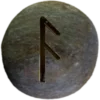
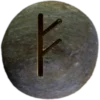
The rune ᚠ, known as Fehu (ᚠ) and pronounced “FAY-hoo,” connects with Jörð through its association with resources, nourishment, and the wealth that comes from the land. This rune reflects the value of fertile soil, livestock, and natural abundance, all of which depend on a stable and productive environment. Fehu (ᚠ) emphasizes the relationship between care and reward, showing how attention to the land yields sustenance and prosperity. Its symbolism aligns with the nurturing aspect of Jörð’s presence.
The rune ᚢ, called Ūruz (ᚢ) and pronounced “OO-rooz,” represents raw strength, vitality, and the untamed power found within natural forces. This rune connects with Jörð through the resilience and enduring energy that define the earth’s character. Ūruz (ᚢ) highlights the capacity for renewal and the ability to withstand challenges while maintaining integrity. Together, these runes reflect both the sustaining and powerful dimensions of Jörð’s influence.
The Importance of Jörð for Asatruar
Jörð holds importance for Asatruar because she represents the living earth and the foundation upon which all life depends. Her presence encourages a direct and mindful relationship with the environment, emphasizing respect, care, and awareness in daily actions. This connection supports a perspective that values sustainability and responsibility, recognizing the impact of human behavior on the natural world. Her role extends into both spiritual reflection and practical living.
The emphasis on cycles of growth and renewal resonates strongly, offering guidance for how individuals approach change and continuity within their own lives. Jörð’s example highlights the importance of balance, where stability and transformation coexist in a dynamic relationship. This perspective encourages thoughtful engagement with both personal and communal responsibilities. Her influence continues to inspire those who seek to align their actions with the rhythms and needs of the earth.