Last Updated on April 22, 2026
Table of Contents
Megingjörð: The Belt of Amplified Might
Megingjörð, pronounced roughly as “MEH-ging-gyorth,” features the séríslenskur letter ð, which sounds like the soft “th” in “this,” and gives the name a distinct Old Norse resonance. The term combines megin, meaning strength or power, with gjörð, meaning belt or girdle, which together convey the idea of a binding object that enhances physical force. Alternate spellings include Megingjord, Megingjǫrð, and Megingjorth, each reflecting different methods of rendering Old Norse characters into modern alphabets. This legendary item belongs to Thor, the thunder god, and plays a central role in his identity as a defender of gods and humans.
Mythological descriptions emphasize that Megingjörð doubles Thor’s already immense strength whenever he fastens it around his waist. This enhancement does not act as a passive attribute, but instead requires deliberate use, suggesting that power demands intention and awareness. Thor often relies on this belt during his most dangerous encounters, particularly when he faces giants who threaten cosmic balance. The presence of Megingjörð reinforces the idea that even the mightiest figures benefit from tools that focus and amplify their abilities.
Stories frequently pair Megingjörð with Thor’s hammer Mjǫllnir and his iron gloves Járngreipr, forming a trio of essential items that define his combat readiness. Each object contributes to his effectiveness, yet the belt stands apart because it directly transforms his own physical capacity rather than serving as a weapon or protective gear. This distinction highlights the belt’s unique role as an enhancer of innate power, rather than an external instrument of force. Megingjörð symbolizes the potential within individuals that can be unlocked through discipline and preparation.
References to Megingjörð appear in sources such as the Prose Edda, where Snorri Sturluson describes Thor’s equipment and emphasizes the belt’s importance in his exploits. These accounts do not dwell extensively on its origin, yet they clearly establish its function and significance within the mythological framework. The belt’s consistent presence in narratives involving Thor’s battles underscores its reliability and necessity during moments of great challenge. Readers often interpret its role as both literal and symbolic, reflecting the interplay between strength and the means to channel it effectively.
Symbolism and Function in Mythological Context
Megingjörð represents more than a simple accessory, as it embodies the concept of controlled strength that arises through intentional action. Thor does not gain its benefits automatically, which suggests that even divine power requires focus and activation to reach its fullest expression. This idea resonates throughout Norse mythology, where preparation and readiness often determine success in confrontations with chaotic forces. The belt therefore serves as a reminder that strength alone does not guarantee victory without proper direction and purpose.
Depictions of Thor fastening Megingjörð before battle create a vivid image of transformation, where latent potential becomes active force. This act carries ritualistic undertones, as it marks the transition from readiness to engagement and signals the beginning of decisive action. The belt’s role in these moments reinforces its importance as a catalyst that bridges the gap between capability and execution. Such imagery contributes to its lasting presence in interpretations of Norse mythological themes.
Appearances in Eddic Literature
Mentions of Megingjörð within the Prose Edda provide valuable insight into how Norse storytellers understood Thor’s reliance on his equipment. Snorri Sturluson describes the belt alongside Thor’s other possessions, emphasizing its ability to double his strength and secure his dominance in battle. These passages do not elaborate on its creation, yet they firmly establish its function as an indispensable component of Thor’s power. The consistency of these references ensures that Megingjörð remains a recognizable and essential element within the broader mythological narrative.
Runic Connections to Empowered Strength
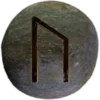
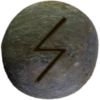
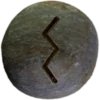
The rune Ūruz (ᚢ) aligns closely with Megingjörð, as it represents raw physical power, endurance, and the primal force that drives action. This rune captures the essence of strength that exists within, which parallels how the belt amplifies Thor’s natural abilities rather than replacing them. Another rune that connects with Megingjörð is Sowilō (ᛊ or ᛋ), which symbolizes energy, vitality, and the guiding force of success through clarity and focus. Together, these runes reflect the balance between inner strength and the energy required to bring that strength into effective use.
Continuing Importance to Asatruar
Megingjörð holds enduring importance to Asatruar, who often view it as a symbol of personal empowerment and the disciplined use of strength in daily life. Its association with Thor encourages reflection on how individuals can cultivate their own capabilities and apply them with intention and responsibility. Many interpret the belt as a reminder that power does not exist in isolation, but instead requires conscious effort to direct it toward meaningful outcomes. This perspective aligns with broader themes of growth and resilience within spiritual practice.
Followers frequently draw inspiration from Megingjörð when considering how to approach challenges that demand both physical and mental determination. The belt’s role in amplifying Thor’s abilities reinforces the idea that preparation and focus can elevate one’s potential beyond ordinary limits. Megingjörð continues to influence modern interpretations of strength, encouraging a thoughtful and deliberate approach to personal development and action.