Last Updated on April 25, 2026
Table of Contents
The Fierce Giant Geirröd
Geirröd, also spelled Geirröðr or Geirrödr, stands as a formidable giant within Norse mythology, known for his hostility toward the gods and his eventual confrontation with Thor. The name Geirröd follows a pronunciation close to GAYR-roed, where the “ei” sounds like “ay” and the “ö” resembles the vowel in “her,” while the ð in Geirröðr produces a soft “th” sound. His name combines elements that suggest spear and attack, which aligns with his aggressive nature and readiness for conflict. This linguistic detail reinforces how names in Old Norse tradition often reflect personality and narrative role.
Geirröd rules over a domain associated with giants, where he exercises authority through strength and cunning rather than cooperation. His reputation grows through tales that emphasize his hostility toward divine figures, especially Thor, who frequently opposes giants across mythic narratives. Unlike some giants who interact with gods through alliances or marriages, he embodies direct opposition and challenge. This role positions him as a clear adversary within the mythological landscape.
Stories portray Geirröd as both powerful and calculating, which makes his eventual downfall more significant within the broader narrative structure. He does not rely solely on brute force but attempts to outmaneuver his opponents through strategy and deception. This combination of traits adds depth to his character, showing that even antagonistic figures possess complexity. His story ultimately highlights the limits of such power when faced with divine resilience and preparation.
The Encounter with Thor
The most well known account involving Geirröd appears in the Prose Edda, where his conflict with Thor unfolds through a series of escalating challenges. In this story, Loki plays a key role by facilitating Thor’s journey to Geirröd’s hall, often through trickery or coercion. Thor travels without his hammer Mjölnir at first, which increases the tension and raises the stakes of the encounter. This detail emphasizes how even powerful gods can face vulnerability under certain conditions.
During Thor’s journey, he receives assistance from the giantess Gríðr, who provides him with a staff, a belt of strength, and iron gloves that allow him to survive the trials ahead. These items enable Thor to overcome obstacles that Geirröd sets in his path, including dangerous crossings and lethal traps. The narrative builds toward a final confrontation where Geirröd attempts to kill Thor using a heated iron projectile. Thor catches and returns the weapon with decisive force, which leads to Geirröd’s death.
This encounter highlights themes of preparation, resilience, and the consequences of aggression within Norse mythology. Geirröd’s attempts to defeat Thor through cunning and force ultimately fail because he underestimates his opponent’s adaptability. The story reinforces the idea that strength must pair with awareness and foresight to succeed. Geirröd serves as both a formidable opponent and a cautionary figure.
Depiction in Norse Sources
Geirröd appears in both the Prose Edda and the Poetic Edda, where his story contributes to a larger pattern of encounters between gods and giants. These texts preserve elements of oral tradition that emphasize conflict as a driving force within the mythological world. His presence in these sources confirms his importance as an adversarial figure who challenges divine authority. This role ensures that his story remains integral to understanding the dynamics between gods and giants.
The name Geirröðr includes the letter ð, known as eth, which produces a voiced “th” sound and adds a distinctive rhythm to the pronunciation. The umlaut in “ö” creates a rounded vowel that does not appear in standard modern English, which gives the name a unique phonetic quality. These features reflect the richness of Old Norse language and its influence on how stories were spoken and remembered. Pronunciation plays a key role in preserving the identity of mythological figures.
Geirröd’s legacy within Norse mythology lies in his role as a challenger who tests the strength and resolve of the gods. His story demonstrates how opposition drives narrative development and reveals the qualities of both hero and adversary. By confronting Thor, he becomes part of a larger tradition that explores the balance between chaos and order. This enduring role secures his place within the mythological canon.
Runes Associated with Geirröd
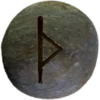
The rune Thurisaz (ᚦ), pronounced THOO-ree-sahz, aligns closely with Geirröd because it represents giants, conflict, and raw destructive force within Norse symbolic systems. This rune reflects the aggressive and confrontational nature that defines Geirröd’s actions throughout his story. It embodies both the danger and the power associated with giants, capturing the essence of his role as an adversary. The rune highlights the chaotic energy that he brings into his encounters.
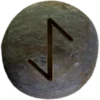
The rune Eihwaz (ᛇ), pronounced EYE-wahz, connects with endurance, transformation, and the tension between opposing forces, which mirrors Geirröd’s confrontation with Thor. This rune represents the struggle that leads to change, emphasizing how conflict shapes outcomes and reveals strengths. Geirröd’s story illustrates this process through his challenge and eventual defeat. Together, these runes reflect both his power and the transformative impact of his actions.
Importance of Geirröd to Asatruar
Geirröd holds importance for Asatruar because his story illustrates the role of opposition in shaping strength, awareness, and resilience within a mythological framework. His conflict with Thor highlights how challenges reveal character and force individuals to adapt and prepare for adversity. Practitioners often view such figures as representations of obstacles that must be understood rather than ignored. This perspective encourages a balanced approach to conflict and growth.
His narrative also emphasizes the consequences of unchecked aggression and the importance of respecting forces beyond one’s control. Many interpret his downfall as a reminder that strength without foresight leads to failure. This lesson resonates within modern interpretations of Norse tradition, where individuals seek to align action with awareness. Geirröd serves as a meaningful figure within ongoing reflection.