Last Updated on April 17, 2026
Table of Contents

Þrymheimr and the Harsh Realm of the Mountains
Þrymheimr, also written as Thrymheimr or Thrymheim, names a powerful dwelling associated with cold landscapes, towering peaks, and formidable presence within Old Norse tradition. The letter Þ, called thorn and pronounced like the th in thin, shapes the beginning of the word, while the full pronunciation sounds like threem-hame-er with a firm rolling ending. This name conveys an immediate sense of scale and isolation, reflecting an environment that challenges anyone who enters it.
Þrymheimr connects strongly with the giant Þjazi and later with his daughter Skaði, which places it at the center of narratives that explore loss, inheritance, and adaptation. This location does not function as a passive setting, since its harsh conditions actively shape the experiences and decisions of those who dwell there. The environment itself carries meaning, reinforcing themes of endurance and resilience through constant exposure to cold and elevation.
Alternate spellings such as Thrymheimr and Thrymheim appear in texts that adapt the original characters into more familiar alphabets, yet these forms preserve the core sounds and structure. Speaking threem-hame-er aloud highlights the long vowel and the weight of the ending syllable, which creates a sense of grounded stability. This auditory quality supports the impression of a place defined by strength and permanence.
Connection to Þjazi and Skaði
Þrymheimr appears in the Prose Edda as the home of Þjazi, a powerful giant whose actions influence several important events within preserved narratives. After Þjazi’s death, his daughter Skaði claims Þrymheimr, maintaining a connection to her father’s legacy while asserting her own identity. This transition reflects continuity across generations and emphasizes the importance of inheritance.
Skaði’s association with Þrymheimr highlights her connection to mountains, winter, and the challenges of remote landscapes, which shape her character and preferences. Her later interactions with other figures demonstrate how her upbringing in this environment influences her choices and expectations. The setting thus plays an active role in defining her perspective and actions.
The narrative presence of Þrymheimr underscores how places contribute to identity and experience, creating a link between environment and personal development. This relationship reinforces the idea that location carries meaning beyond physical description. Þrymheimr becomes a symbol of both origin and enduring influence.
Environmental Symbolism and Meaning
Þrymheimr represents rugged terrain, icy winds, and the stark beauty of elevated landscapes, which together create a setting that demands strength and adaptability. This symbolism reflects conditions where survival requires awareness, resilience, and a willingness to face challenges directly. Such imagery conveys a sense of respect for natural forces that shape both land and life.
The name itself combines elements that suggest noise, strength, and enclosure, which reinforces the impression of a place that echoes with powerful natural sounds and stands apart from more hospitable regions. This combination of meaning and sound creates a vivid mental image that aligns with descriptions found in preserved texts. The result offers a cohesive understanding of both name and environment.
Pronunciation enhances this understanding, since the initial thorn sound and the firm ending create a balanced yet forceful expression when spoken aloud. Readers who say threem-hame-er can sense how the sound mirrors the solidity and presence associated with the place. This connection between language and imagery highlights the importance of vocal expression in preserving these concepts.
Runes Reflecting the Nature of Þrymheimr
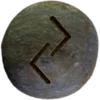
The rune Hagalaz (ᚺ), pronounced hah-gah-lahz, aligns with Þrymheimr through its association with harsh weather, sudden storms, and the transformative power of natural forces. This rune represents conditions that challenge stability while creating opportunities for growth through endurance. Such qualities reflect the demanding environment that defines Þrymheimr.
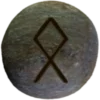
The rune Othila (ᛟ), pronounced oh-thah-lah, connects to Þrymheimr through its association with heritage, inheritance, and the transmission of land across generations. This rune emphasizes the importance of place as a source of identity and continuity, which mirrors the way Þrymheimr passes from Þjazi to Skaði. Together, these runes highlight themes of resilience and legacy.
Þrymheimr in Contemporary Spiritual Understanding
Þrymheimr holds importance for Asatruar who engage with landscapes as symbols of endurance, strength, and the relationship between environment and identity. This place encourages reflection on how challenging conditions can shape character and foster resilience over time. Such perspectives support a deeper appreciation for the role of environment in personal development.
Practitioners often view Þrymheimr as a representation of perseverance, where survival depends on awareness, preparation, and respect for natural forces. Engaging with this concept allows individuals to consider how they respond to difficulty and how they maintain balance under pressure. This approach promotes growth through experience and reflection.
Þrymheimr also reinforces the importance of heritage and continuity, since it connects generations through shared space and enduring presence. This connection highlights how places carry meaning that extends beyond immediate experience. The lasting relevance of Þrymheimr ensures that it continues to inspire thoughtful engagement within modern practice.