Last Updated on April 25, 2026
Table of Contents
Laufey and Subtle Strength in Ancestral Lineage
Laufey, also written as Laufeyjar or Nál in some sources, appears as a figure associated with lineage, quiet influence, and subtle strength within Old Norse tradition. The name Laufey uses the diphthong au, pronounced like the ow in now, while the full pronunciation sounds like low-vey with a smooth flowing tone. This name carries a gentle quality that contrasts with more forceful figures, yet it holds equal importance through its connection to family and origin.
References to Laufey remain brief, yet her role as the mother of Loki gives her lasting significance within narratives that shape major events and relationships. Her presence anchors Loki’s lineage, linking him to both parents whose symbolic qualities reflect different aspects of nature and experience. This connection creates a layered identity that combines subtlety with intensity.
Alternate names such as Nál, pronounced nowl with a soft ending, appear in some texts and may emphasize different aspects of her identity or character. These variations show how names can carry multiple meanings and interpretations across sources and traditions. Speaking low-vey aloud highlights the smooth transition between syllables, which reinforces the sense of quiet continuity associated with her role.
Appearances in Traditional Texts
Laufey appears in the Prose Edda, where she is identified as the mother of Loki and the partner of Fárbauti, establishing her place within a significant familial structure. This mention, though concise, provides essential context for understanding how relationships shape the broader narrative framework. Her inclusion demonstrates how even brief references can carry substantial meaning.
Writers who preserved these accounts focused on lineage and connection, which allowed figures like Laufey to contribute through association rather than extended description. This approach reflects a narrative style that values relationships as a primary means of conveying importance. Laufey’s role becomes clear despite the limited detail provided.
The presence of alternate naming, such as Nál, adds depth to her identity and invites interpretation regarding her characteristics and symbolic associations. These variations encourage readers to consider how different names reflect different perspectives or aspects of a figure. This layered identity enriches the understanding of her place within the tradition.
Symbolism and Interpretive Themes
Laufey often represents subtle influence, which emphasizes the importance of quiet presence and foundational roles within larger systems. Her connection to Loki suggests that transformative and unpredictable qualities can emerge from origins that appear calm and understated. This contrast highlights the complexity of relationships and the interplay between different forms of strength.
The association with the name Nál, which can relate to slenderness or delicacy, reinforces themes of refinement and precision rather than overt force. This symbolism suggests that influence does not always require visible power, since it can operate through consistency and underlying support. Such interpretations expand the understanding of how impact can manifest.
Pronunciation contributes to this interpretation, since the flowing sound of low-vey creates a sense of continuity and balance when spoken aloud. This auditory quality contrasts with sharper or more abrupt names, which further emphasizes her association with subtlety. The connection between sound and meaning highlights the importance of vocal expression in preserving these figures.
Runes Reflecting Subtle Influence
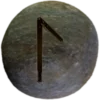
The rune Laguz (ᛚ), pronounced lah-gooz, connects to Laufey through its association with flow, intuition, and the quiet movement of forces that shape outcomes over time. This rune represents adaptability and depth, which align with the understated presence that defines her role within lineage. Such qualities highlight the importance of gradual influence.
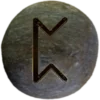
The rune Perthro (ᛈ), pronounced perth-ro, also aligns with Laufey because it represents hidden processes and unfolding potential that emerge through time and interaction. This rune emphasizes the unseen aspects of development, which mirrors the way her influence operates within the broader narrative. Together, these runes reflect themes of subtle growth and quiet impact.
Laufey and Her Role in Contemporary Spiritual Thought
Laufey holds importance for Asatruar who explore figures connected with lineage, subtle influence, and the foundational roles that support visible action. Her presence encourages reflection on how quiet strength contributes to development and transformation within both personal and communal contexts. This perspective broadens the understanding of influence beyond overt action.
Practitioners often view Laufey as a symbol of continuity and underlying support, which emphasizes the value of maintaining balance and stability within changing circumstances. Engaging with her story allows individuals to consider how consistent presence shapes outcomes over time. This approach fosters a deeper awareness of interconnected relationships.
Laufey also reinforces the idea that origins matter, since they provide the context from which actions and characteristics emerge. Her role within lineage highlights how identity forms through connection and interaction across generations. This enduring relevance ensures that her presence continues to inspire thoughtful engagement within modern practice.