Last Updated on April 17, 2026
Table of Contents
Fárbauti and the Force of Striking Power
Fárbauti, also written as Farbauti or Farbauthi, appears as a figure connected with force, impact, and elemental intensity within Old Norse tradition. The name Fárbauti includes the accented á, pronounced like the ow in now, which gives the full pronunciation as fowr-bow-tee with a strong opening sound. This name carries an immediate sense of action, reflecting energy that arrives suddenly and produces visible change through contact.
Descriptions of Fárbauti remain limited, yet his identity gains significance through his role as the father of Loki, which places him within a lineage that influences many well known narratives. His association with striking force often receives interpretation as a link to lightning or sudden natural impact, which reinforces his connection to powerful and direct action. This relationship between name and function highlights how language encodes meaning through sound and imagery.
Alternate spellings such as Farbauti and Farbauthi reflect different attempts to represent the original sounds across languages that lack certain characters, yet the core pronunciation remains tied to the long vowel and strong consonants. Saying fowr-bow-tee aloud emphasizes the weight of each syllable and the sense of motion carried within the name. This vocal quality supports the idea of a force that moves quickly and leaves a lasting impression.
Lineage and Narrative Context
Fárbauti appears in the Prose Edda, where he is identified as the father of Loki and the partner of Laufey, establishing a familial connection that shapes later events. This brief mention carries importance because it places him within a network of relationships that influence major developments across multiple stories. His presence, though limited in description, contributes to the broader structure of these narratives.
The connection between Fárbauti and Loki often receives attention because it suggests a lineage rooted in intensity, unpredictability, and transformation. Loki’s actions reflect qualities that align with sudden change and disruption, which echoes the implied nature of his father’s name. This link between parent and child highlights how traits can carry symbolic continuity across generations.
Writers who preserved these accounts focused on key relationships rather than extended characterization, which leaves space for interpretation while maintaining narrative clarity. This approach allows figures like Fárbauti to retain a sense of mystery while still contributing meaningfully to the overall structure. The result creates a layered understanding that combines direct information with symbolic association.
Symbolism and Interpretive Meaning
Fárbauti often represents sudden impact, which aligns with natural forces such as lightning striking a surface and producing immediate transformation. This symbolism emphasizes action that occurs without delay, bringing change that can alter conditions in a single moment. Such imagery connects the figure to themes of energy, disruption, and the power of direct force.
Interpretations that link Fárbauti with elemental activity highlight how narratives use concise descriptions to convey broader ideas about nature and experience. The name itself functions as a compact expression of these themes, combining sound and meaning into a unified concept. This efficiency reflects a tradition that values precision and resonance within language.
Pronunciation plays an important role in conveying this symbolism, since the strong vowel and firm consonants create a sense of movement and impact when spoken aloud. Readers who say fowr-bow-tee can hear how the sound mirrors the concept of a force that arrives with clarity and strength. This connection between speech and meaning reinforces the importance of oral tradition.
Runes Reflecting Force and Impact
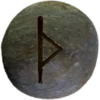
The rune Thurisaz (ᚦ), pronounced thoo-ree-sahz, connects to Fárbauti through its association with raw power, conflict, and the focused energy that can break through resistance. This rune represents a force that does not remain passive, instead pushing forward with intent and creating change through direct action. Such qualities align with the striking nature suggested by Fárbauti’s name.
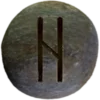
The rune Hagalaz (ᚺ), pronounced hah-gah-lahz, also aligns with Fárbauti because it represents disruption, sudden events, and the transformation that follows unexpected impact. This rune emphasizes forces that reshape conditions quickly, often without warning, which mirrors the imagery associated with a powerful strike. Together, these runes highlight themes of intensity and change.
Fárbauti in Contemporary Spiritual Perspective
Fárbauti holds importance for Asatruar who explore figures connected with elemental force and transformation, using these representations to understand sudden change within both natural and personal contexts. His presence encourages reflection on how moments of impact can alter direction and create new possibilities. This perspective supports a deeper awareness of how change unfolds.
Practitioners often interpret Fárbauti as a symbol of direct action, which emphasizes the need to recognize and respond to powerful moments that shape experience. Engaging with this figure allows individuals to consider how energy and intention influence outcomes across different situations. This approach fosters a sense of responsibility and awareness.
Fárbauti also reinforces the idea that transformation can arise from brief yet intense events, which highlights the value of recognizing significance within sudden occurrences. His role within the broader tradition continues to inspire reflection on the nature of force and its impact on growth and change. This enduring relevance keeps his presence meaningful in modern practice.