Last Updated on April 22, 2026
Table of Contents
Origins and Evolution of the Yule Goat
The Yule Goat stands as a fascinating figure within Northern European winter traditions, where communities across Scandinavia shaped its meaning over centuries through storytelling, ritual practice, and seasonal celebration. People in Sweden refer to it as Julbocken, pronounced “yool-bock-en,” while Norwegians and Danes use Julebukk, pronounced “yoo-leh-book,” and both names connect directly to ancient solstice customs. These terms derive from Old Norse roots, where “jól” referred to the midwinter festival and “bukkr” described a male goat, linking the figure firmly to pre-Christian seasonal rites.
Early traditions placed the Yule Goat within pagan celebrations that honored fertility, harvest cycles, and the return of sunlight after long northern winters. Communities often crafted goat figures from straw, which symbolized the last sheaf of grain gathered during harvest, and these figures carried both agricultural and spiritual meaning. People believed that the spirit of the harvest resided within this final bundle, and the goat form represented vitality, endurance, and renewal during the darkest period of the year.
Stories also connect the Yule Goat to the Norse god Thor, who traveled across the sky in a chariot pulled by two powerful goats named Tanngrisnir and Tanngnjóstr, pronounced “tang-gris-neer” and “tang-nyoh-struh.” These mythological animals could die and return to life, reinforcing themes of rebirth that align closely with winter solstice symbolism. Over time, this association strengthened the its presence within folklore, blending agricultural beliefs with mythological imagery in a way that persisted through generations.
Transformation Through Christian Influence
As Christianity spread across Scandinavia, the Yule Goat did not disappear but instead adapted to new cultural frameworks that reshaped its role within winter festivities. Instead of serving strictly as a pagan fertility symbol, the goat became part of Christmas traditions, sometimes acting as a mischievous figure who demanded offerings or playfully frightened children during celebrations. In some regions, individuals dressed as the Yule Goat and traveled between homes, performing songs or antics in exchange for food and drink.
During later centuries, the Yule Goat gradually shifted from a disruptive presence into a more benevolent character, eventually taking on roles similar to gift-bringers. Before the widespread adoption of Santa Claus imagery, the Yule Goat often delivered presents directly, placing it at the center of family gatherings and seasonal joy. This transformation reflects how traditions evolve through cultural blending, where older beliefs remain visible beneath newer interpretations.
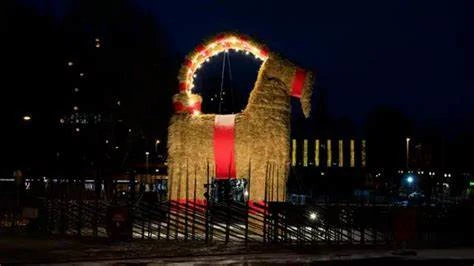
Modern representations often feature straw goats displayed as decorations, especially in Sweden, where large public installations celebrate this enduring symbol each year. These figures maintain a connection to historical practices while serving as festive reminders of cultural heritage, linking contemporary celebrations with centuries-old traditions. The Yule Goat continues to embody resilience, adaptability, and the enduring power of shared seasonal rituals.
Runic Connections to the Yule Goat
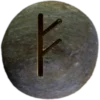
The rune Fehu (ᚠ) represents wealth, prosperity, and the movement of resources, which aligns closely with the Yule Goat’s association with harvest abundance and seasonal generosity within Asatru practice. Practitioners often interpret Fehu (ᚠ) as a symbol of earned reward and communal sharing, reflecting how ancient communities distributed food and goods during winter gatherings. This rune reinforces the idea that survival and prosperity depend on cooperation, a concept that resonates strongly with the Yule Goat’s agricultural origins.
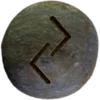
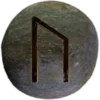
Ūruz (ᚢ), another Elder Futhark rune, symbolizes strength, vitality, and primal force, which complements the goat’s enduring image as a powerful and resilient animal. Asatruar often connect Ūruz (ᚢ) with physical endurance and Natural Cycles, emphasizing the importance of inner strength during challenging seasons. Together, Fehu (ᚠ) and Ūruz (ᚢ) create a symbolic pairing that reflects both material sustenance and personal resilience, qualities that define the Yule Goat’s deeper meaning.
Significance of the Yule Goat in Asatru
Within Asatru, the Yule Goat holds symbolic importance as a representation of continuity between ancient Norse beliefs and modern spiritual practice. Practitioners view it as a reminder of ancestral traditions that honor the cycles of nature, especially the transition from darkness to returning light during Yule celebrations. This figure reinforces a connection to the land, the harvest, and the communal bonds that sustained early societies through harsh winters.
Asatruar often incorporate the Yule Goat into rituals or seasonal décor, using it to focus intention on gratitude, renewal, and shared prosperity. The goat’s association with Thor and agricultural fertility strengthens its role as a bridge between mythological reverence and everyday life. The Yule Goat continues to inspire reflection on resilience, generosity, and the enduring relationship between people and the natural world.