Last Updated on April 25, 2026
Table of Contents
Seiðmenn and the Practice of seiðr
Seiðmenn, also written as Seidmenn or Seiðmen, refers to male practitioners of seiðr, a form of ritual practice centered on influence, foresight, and altered awareness within Old Norse tradition. The word Seiðmenn includes the letter ð, called eth and pronounced like the th in this, while the diphthong ei sounds like ay in say, giving the full pronunciation as sayth-men. This term highlights both the practice itself and the individuals who carry it forward through skill and discipline.
Seiðmenn engage in activities that involve shaping outcomes, gaining insight into unfolding events, and influencing circumstances through structured ritual and focused intent. Their role requires training, concentration, and the ability to enter states that allow perception beyond immediate surroundings. This practice demands both mental control and a deep understanding of symbolic language.
Alternate spellings such as Seidmenn or Seiðmen appear in various sources, reflecting adaptations into different writing systems while preserving the original sound. Saying sayth-men aloud emphasizes the flowing middle sound and the grounded ending, which together create a balanced expression. This auditory quality supports the sense of controlled movement and deliberate action associated with the role.
Function and Social Role
Seiðmenn occupy a complex position within society, since their abilities command respect while also raising concern due to the unusual nature of their practices. Their work often involves guidance, influence, and interpretation, which places them at the intersection of knowledge and uncertainty. This dual perception shapes how others interact with them and seek their assistance.
Practitioners of seiðr focus on achieving results through ritual performance that combines spoken elements, gestures, and symbolic actions designed to produce specific effects. These performances require preparation and awareness of timing, which ensures that each element aligns with the intended outcome. The process reflects a disciplined approach rather than spontaneous activity.
Accounts within the Prose Edda reference seiðr as a practiced art, noting that certain figures possess skill in this area and use it to gain knowledge or influence events. These references provide context for understanding the role of Seiðmenn within a broader framework of specialized knowledge. Their presence within these texts confirms the importance of their function.
Techniques and Interpretive Meaning
Seiðmenn use techniques that involve chanting, visualization, and focused intention, which together create a structured method for engaging with unseen aspects of experience. Each element contributes to a cohesive process that aims to produce measurable effects within the practitioner’s environment. This integration of methods highlights the complexity of the practice.
The symbolism associated with Seiðmenn often emphasizes transformation, perception, and the ability to navigate layers of meaning that extend beyond surface appearances. This role connects them with themes of change and adaptability, where insight leads to action that shapes outcomes. Such interpretations reveal how their work reflects broader patterns of interaction between knowledge and influence.
Pronunciation continues to play an important role, since the sound of sayth-men carries a sense of flow and continuity that aligns with the movement of thought and intention within the practice. This connection between sound and meaning reinforces the importance of spoken elements in shaping results. The emphasis on vocal expression highlights the active nature of their work.
Runes Linked to Seiðmenn Practices
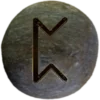
The rune Perthro (ᛈ), pronounced perth-ro, connects to Seiðmenn through its association with hidden knowledge, unfolding processes, and the revelation of outcomes through careful interpretation. This rune reflects the layered nature of seiðr, where meaning emerges through engagement with symbols and patterns. Such qualities align with the practitioner’s focus on insight and influence.
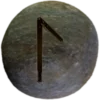
The rune Laguz (ᛚ), pronounced lah-gooz, also aligns with Seiðmenn because it represents flow, intuition, and the movement of awareness that guides perception and action. This rune emphasizes adaptability and depth, which mirror the skills required to navigate complex situations through seiðr. Together, these runes highlight themes of perception and transformation.
Seiðmenn in Contemporary Spiritual Practice
Seiðmenn hold importance for Asatruar who explore ritual practice, insight, and the disciplined use of intention within a structured framework of belief and expression. Their role provides a model for understanding how focused effort and symbolic action can influence both personal and communal experience. This perspective encourages careful engagement with practice.
Modern practitioners often view Seiðmenn as representatives of knowledge that requires responsibility, emphasizing the need for awareness and ethical consideration when working with influence and perception. Engaging with this concept allows individuals to reflect on how their actions affect outcomes and relationships. This approach supports thoughtful development of skill.
Seiðmenn also reinforce the importance of balance between knowledge and application, showing that effective practice depends on both understanding and execution. Their example highlights how discipline and intention combine to produce meaningful results. This enduring relevance ensures that their role continues to inspire reflection and engagement within modern contexts.