Last Updated on April 25, 2026
Table of Contents

The Role and Presence of the seiðkona in Northern Tradition
The term seiðkona refers to a female practitioner of seiðr, a form of ritual magic focused on perception, influence, and transformation within lived experience. Most pronounce seiðkona as SAYTH-koh-nah, where the letter ð produces a soft TH sound like in this, and the rhythm flows across three distinct syllables. Alternate spellings include seidkona, seidhkona, and seiðkvenna, each reflecting transliteration choices or grammatical variation in Old Norse usage. A seiðkona doesn’t act as a passive vessel, since she actively shapes outcomes through ritual knowledge, vocal technique, and focused intention.
Descriptions portray the seiðkona as a respected yet sometimes feared figure, because her abilities extend into areas that challenge ordinary understanding and social comfort. She often carries specialized tools, including a staff known as a seiðstafr, pronounced SAYTH-stah-vr, which symbolizes authority and control within ritual performance. Her presence commands attention, since she creates an atmosphere where participants recognize that the boundary between visible and unseen forces has shifted. They navigate both social and spiritual dimensions with confidence and discipline.
Accounts describe how a seiðkona prepares for her work through ritual setup, including elevated seating and the use of chants called varðlokkur, pronounced VARTH-loh-kur, which help focus awareness and invite participation from others. These chants require precise vocal delivery, as rhythm and tone guide the progression of the ritual and maintain coherence throughout the process. The seiðkona directs the experience, ensuring that each element aligns with her intended outcome rather than allowing disorder to disrupt the flow. This structured approach reinforces her authority and demonstrates mastery over a complex practice.
Practices, Tools, and Social Standing
The seiðkona relies on a combination of learned technique and intuitive awareness, blending observation with symbolic interpretation to achieve meaningful results. She engages with imagery, sound, and movement, weaving these elements into a cohesive ritual that influences perception and guides decision making. Community members often seek her counsel during uncertain times, since her insights offer clarity that extends beyond ordinary reasoning. This reliance establishes her as a central figure within the social fabric, even when her work provokes unease.
Clothing and presentation also play a role in defining the seiðkona’s identity, as descriptions mention garments adorned with symbolic details that reinforce her connection to ritual practice. She may wear a cloak, carry charms, or display items that signal her expertise and readiness to perform. These visual elements support the overall experience, helping participants enter a focused state where they can engage fully with the process. Through careful attention to detail, the seiðkona creates an environment that enhances both credibility and effectiveness.
Literary Appearances and Cultural Memory
The seiðkona appears in several well known narratives, including the account of Þorbjörg lítilvölva, pronounced Thor-byorg LEE-til-VOHL-vah, in Eiríks saga rauða, where she visits a household to provide insight during a time of hardship. This portrayal highlights her ceremonial preparation, distinctive attire, and reliance on varðlokkur chants performed by others to support her work. The narrative emphasizes her authority, as those present treat her with respect and follow her instructions carefully throughout the ritual. This depiction offers a detailed view of how a seiðkona operates within a communal setting.
Other references describe seiðkona figures as individuals who move between communities, carrying knowledge that remains both valued and cautiously regarded. Their presence reinforces the idea that specialized skill brings influence, yet it also requires careful navigation of social expectations. They stand as a complex figure who embodies both wisdom and power, shaping how others understand unseen forces and their impact on daily life.
Runes Connected to the Work of the seiðkona
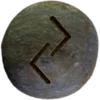
Two Elder Futhark runes align with the practices attributed to the seiðkona, since they reflect transformation, perception, and the shaping of unseen influences into tangible outcomes. Perthro (ᛈ), pronounced PERTH-roh, represents hidden knowledge, unfolding patterns, and the act of revealing what remains concealed beneath the surface. This rune resonates with the seiðkona’s ability to interpret subtle signs and translate them into meaningful guidance that others can apply within their circumstances.
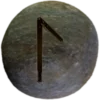
Laguz (ᛚ), pronounced LAH-gooz, complements this by symbolizing intuitive flow, emotional depth, and the connection between conscious awareness and deeper currents of understanding. The seiðkona engages with this fluid state, allowing insight to emerge through disciplined focus rather than uncontrolled impulse. Together, these runes illustrate how structured practice and intuitive perception combine to support the seiðkona’s role as an active interpreter and shaper of experience.
The Importance of the seiðkona to Asatruar
The seiðkona holds significance for Asatruar because she represents a model of disciplined practice, intentional focus, and engagement with forces that influence perception and decision making. Her role demonstrates that knowledge requires effort, since mastery develops through study, repetition, and careful observation rather than casual exploration. This example encourages individuals to approach spiritual practices with respect and commitment, ensuring that their efforts produce meaningful results.
Asatruar also value the seiðkona as a symbol of personal responsibility, since her work emphasizes active participation rather than reliance on external authority. Individuals who study her role gain insight into how intention and action shape outcomes, reinforcing principles that support growth and understanding. They continue to inspire thoughtful engagement with tradition and practice.