Last Updated on April 18, 2026
Table of Contents
Eldhrímnir and the Ever Renewing Feast
Eldhrímnir stands as the great cauldron that sustains an unending cycle of nourishment, and its name carries both sound and meaning tied to fire and transformation. Most pronounce Eldhrímnir as ELD-hreem-neer, where the accented í sounds like ee in see, and the final syllable softens into a flowing tone. Alternate spellings include Eldhrimnir, Eldhrímner, and Eldhrimner, each reflecting different transliterations that preserve the core phonetic structure. It doesn’t function as an ordinary vessel, since it enables a continuous process where food renews itself through preparation and consumption.
Descriptions place Eldhrímnir within a setting of daily ritual activity, where a cook named Andhrímnir, pronounced AND-hreem-neer, prepares the boar Sæhrímnir, pronounced SAY-hreem-neer, for a gathering that repeats without depletion. The cauldron holds a central role, since it receives the ingredients, transforms them through heat, and presents them as sustenance for those who partake. This process emphasizes renewal, as the same source provides again and again without loss or decline. It symbolizes continuity through action rather than static preservation.
Language surrounding Eldhrímnir highlights the relationship between fire and transformation, as the name combines elements associated with flame and the act of cooking. This connection reinforces the idea that change produces sustenance, since raw material becomes nourishment through deliberate effort and controlled heat. It operates within a cycle that requires participation, as preparation and consumption together sustain the ongoing process. The cauldron embodies both stability and movement within a single function.
Function and Symbolic Meaning
Eldhrímnir represents more than a container, since it acts as a focal point where transformation occurs through consistent and purposeful activity. The repeated preparation of Sæhrímnir within the cauldron illustrates how cycles of destruction and renewal can coexist without contradiction. Each day brings the same sequence, yet the experience remains meaningful because participants engage actively with the process. This interaction reinforces the idea that continuity depends on involvement rather than passive existence.
The presence of Andhrímnir as the cook underscores the importance of skill and knowledge in maintaining the cycle, as he applies technique and timing to ensure that the process unfolds correctly. Eldhrímnir responds to this expertise, functioning effectively when guided by practiced hands and attentive awareness. This relationship highlights the connection between tool and user, where each depends on the other to achieve the desired outcome. Eldhrímnir becomes part of a larger system that integrates effort, transformation, and sustenance.
Literary Reference and Cultural Context
Eldhrímnir appears in Grímnismál, pronounced GREEM-nis-mawl, a poem within the Poetic Edda, where it forms part of a description of daily life among divine figures. The passage outlines how Andhrímnir cooks Sæhrímnir in Eldhrímnir, providing a clear image of repetition and renewal that defines the setting. This reference offers insight into how the cauldron functions within a structured environment where each role contributes to the whole. Through this portrayal, Eldhrímnir gains recognition as an essential element within a larger narrative of sustenance and continuity.
Interpretation of Eldhrímnir often focuses on its representation of abundance that doesn’t diminish through use, highlighting a perspective where resources renew through cyclical processes. This concept resonates with broader themes of transformation, where change sustains rather than depletes. It stands as a symbol of balance between consumption and regeneration, illustrating how systems can maintain equilibrium through repeated action. Its presence within narrative tradition reinforces the importance of understanding cycles as active and ongoing.
Runes Associated with Eldhrímnir
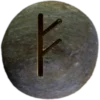
Two Elder Futhark runes align with the qualities embodied by Eldhrímnir, since they reflect transformation, sustenance, and the continuous unfolding of process through deliberate action. Fehu (ᚠ), pronounced FEH-hoo, represents wealth, nourishment, and the movement of resources, making it closely connected to a vessel that provides ongoing sustenance without depletion. This rune emphasizes circulation, as value increases through use rather than remaining static or hoarded.
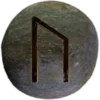
Ūruz (ᚢ), pronounced OO-rooz, complements this by symbolizing raw strength, vitality, and the foundational energy that drives transformation within Natural Cycles. Eldhrímnir channels this energy through controlled application, turning potential into tangible nourishment that supports continued existence. Together, these runes illustrate how resources and strength interact within a system that depends on renewal, reinforcing the idea that sustenance arises through active engagement with cyclical processes.
The Importance of Eldhrímnir to Asatruar
Eldhrímnir holds importance for Asatruar because it represents a model of sustainable abundance, where resources renew through consistent effort and mindful participation. This concept encourages individuals to view nourishment as part of an ongoing relationship between action and outcome, rather than a finite supply subject to depletion. It supports a mindset that values balance, responsibility, and awareness within daily life.
Asatruar also find meaning in the collaborative aspect surrounding Eldhrímnir, since the process involves preparation, transformation, and shared experience among participants. This interaction reinforces the importance of Community, as individuals contribute to and benefit from a system that depends on collective involvement. Eldhrímnir serves as a symbol of continuity, reminding practitioners that sustained effort and cooperation create lasting stability.