Last Updated on April 18, 2026
Table of Contents
Geirahöð and the Tension of Force and Authority
Geirahöð appears as a name that carries strong associations with weaponry, authority, and controlled force, reflecting a presence tied to confrontation and structured power. Most pronounce Geirahöð as GAY-rah-huth, where the ö sounds like the u in fur, and the ð produces a soft TH sound like in this. Alternate spellings include Geirahod, Geirahöthr, and Geirahǫðr, with the character ǫ pronounced AW as in law, preserving older phonetic nuance. The name combines elements linked to spear, geir, and conflict or battle, höð, forming a compound that emphasizes directed strength rather than uncontrolled aggression.
Geirahöð doesn’t represent random violence, since the structure of the name suggests intention, discipline, and the application of force within defined limits. Language surrounding such names often highlights the importance of control, where strength serves a purpose rather than acting without direction or restraint. This perspective aligns with broader themes that emphasize responsibility when wielding power, ensuring that action reflects deliberate choice instead of impulse. She embodies a concept where authority and force remain closely connected.
Wider usage of similar name elements appears across various narratives and genealogies, where geir frequently signals martial identity and höð relates to conflict or striking action. These components create a pattern that reinforces the significance of naming as a way to express role, capability, and expectation. Geirahöð therefore stands within a tradition where names communicate layered meaning, offering insight into how individuals or figures relate to their environment. This linguistic depth invites careful examination of both sound and structure.
Linguistic Structure and Pronunciation
The name Geirahöð demonstrates how Old Norse language integrates sound and meaning, requiring attention to pronunciation in order to capture its full character. The diphthong ei produces a sound similar to ay in day, while the ö introduces a rounded vowel that differs from standard English equivalents. The letter ð, as noted earlier, creates a voiced TH sound, which softens the ending and shapes the rhythm of the word. Accurate pronunciation allows the name to retain its intended resonance and clarity.
Alternate spellings reflect both historical variation and modern attempts to represent sounds using different alphabets, which can influence how readers interpret the name. Forms such as Geirahod simplify the characters but lose some phonetic detail, while Geirahǫðr preserves older distinctions that add depth to pronunciation. These variations illustrate how language evolves while maintaining connections to earlier forms, ensuring that meaning remains accessible even as spelling changes. Understanding these differences supports a more nuanced engagement with the name.
Contextual Meaning and Narrative Absence
No direct references to Geirahöð appear in surviving Eddas or Sagas, which suggests that the name either belonged to lesser known traditions or existed within oral contexts that didn’t enter written record. This absence doesn’t diminish its significance, since many names carried meaning and function regardless of their presence in preserved texts. The structure of the name itself provides insight, offering clues about its associations with strength, direction, and conflict. Through linguistic analysis, she retains relevance as an example of how names encode cultural values.
Interpretation of such names often focuses on their components, allowing scholars and enthusiasts to explore how language conveys identity and expectation within a broader framework. Geirahöð invites consideration of how individuals embody the qualities suggested by their names, shaping both perception and action. This approach highlights the importance of examining language closely, since even brief or isolated terms can reveal complex ideas about power, responsibility, and interaction. Geirahöð remains a meaningful subject of study.
Runes Associated with Geirahöð
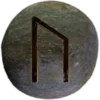
Two Elder Futhark runes align with the themes expressed through Geirahöð, since they reflect strength, direction, and the controlled application of force within a structured framework. Ūruz (ᚢ), pronounced OO-rooz, represents raw power, endurance, and the foundational energy that supports decisive action, making it closely connected to the concept of directed strength embodied in the name. This rune emphasizes the importance of harnessing potential rather than allowing it to remain unshaped.
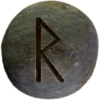
Raido (ᚱ), pronounced RYE-thoh, complements this by symbolizing movement, order, and the path that guides action toward a defined outcome. The combination of strength and direction mirrors the balance suggested by Geirahöð, where force aligns with purpose rather than dispersing aimlessly. Together, these runes illustrate how disciplined energy and structured movement create effective action that reflects intention and control.
The Importance of Geirahöð to Asatruar
Geirahöð holds importance for Asatruar because she represents the principle that strength must align with responsibility and clear intention in order to produce meaningful results. This concept encourages individuals to examine how they apply their own abilities, ensuring that action reflects purpose rather than impulse. She supports a disciplined approach to personal conduct and decision making.
Asatruar also find value in the linguistic depth of Geirahöð, since she demonstrates how names carry layered meaning that informs identity and expectation. Engagement with such terms fosters greater awareness of language and its role in shaping perception, strengthening connection to cultural heritage. She serves as a reminder that thoughtful use of strength and language contributes to a balanced and intentional way of living.