Last Updated on June 2, 2026
Table of Contents

The Story and Legacy of Hervör
Hervör stands among the most memorable heroic figures in Norse mythology and legendary Scandinavian literature. Her name contains the letter ö, which many English speakers pronounce similarly to the vowel sound in the word burn, making Hervör sound approximately like HER vur. Common alternate spellings include Hervor, Hervǫr, and Hervor. The spelling Hervǫr contains the Old Norse letter ǫ, which many scholars pronounce with a broad vowel sound that resembles a short aw or o sound.
Stories about Hervör present a character who combines courage, determination, and independence in ways that distinguish her from many other legendary figures. She appears in traditions that celebrate heroic deeds, family honor, and the pursuit of destiny despite danger and uncertainty. Her tale survives through medieval Icelandic literature, where storytellers preserved accounts of remarkable individuals whose actions shaped the course of legendary history.
She is best known as the daughter of Angantýr, a famous warrior associated with a cursed and powerful sword called Tyrfing. According to the legend, Angantýr died before she reached adulthood. Despite this loss, she developed a fierce personality and chose a path that reflected the warrior traditions of her family. Rather than accepting a quiet life, she pursued adventure and sought knowledge about her ancestry.
Many versions of the story describe Hervör adopting warrior clothing and traveling under a masculine identity. This decision allowed her to participate in activities that society often reserved for men during the legendary era depicted in the narratives. Her actions demonstrated confidence, resilience, and a willingness to challenge expectations when pursuing important goals. These qualities helped establish her reputation as one of the most distinctive figures in Norse legendary tradition.
A pivotal moment in her story occurs when she seeks the sword Tyrfing. The weapon carried a formidable reputation because supernatural forces surrounded it with a curse. Hervör traveled to the island where her father and his fallen companions rested in burial mounds. There she confronted terrifying manifestations associated with the dead and demanded possession of the sword that belonged to her family.
The Quest for Tyrfing
The encounter at the burial mound remains one of the most dramatic scenes in Norse literature. Hervör called upon her deceased father and challenged the supernatural warnings that attempted to discourage her. Flames, eerie visions, and ominous voices appeared throughout the episode, yet she maintained her resolve and continued her demand for the legendary weapon.
Angantýr eventually responded from beyond the grave and warned his daughter about the dangers connected with Tyrfing. The sword promised power and prestige, but it also carried a history of tragedy and destruction. Hervör listened to these warnings while remaining committed to her objective. Her determination ultimately secured possession of the weapon despite the risks that accompanied it.
This episode highlights several important themes within Norse storytelling. Courage frequently appears alongside fate, and heroes often accept dangerous responsibilities even when they understand the possible consequences. Hervör embodies these ideals through her willingness to confront supernatural forces and claim her inheritance. The story emphasizes strength of character rather than physical power alone.
Hervör appears most prominently in the Hervarar saga, often known in English as the Saga of Hervör and Heidrek. This saga preserves a rich collection of legendary material that connects heroic families, magical objects, and dramatic conflicts. The text provides valuable insight into medieval Scandinavian storytelling and remains one of the primary sources for her legend.
Cultural Importance and Literary Legacy
The figure of Hervör continues to attract attention because she occupies a unique position within Norse heroic tradition. Many legendary characters follow familiar patterns of kingship, warfare, or divine ancestry. She instead gains recognition through personal initiative, determination, and her refusal to retreat when confronted by overwhelming challenges.
Her story also illustrates the importance of family heritage within Norse culture. The quest for Tyrfing connects her directly with previous generations and reinforces the belief that ancestral actions continue to influence descendants. The narrative explores responsibility, legacy, and the consequences of inherited power.
Modern readers often appreciate Hervör because her actions demonstrate independence and courage without diminishing the traditional themes that define Norse heroic literature. She remains firmly rooted within the legendary world of ancient Scandinavia while displaying qualities that continue to resonate across cultures and historical periods. Her determination, intelligence, and bravery contribute to her lasting popularity.
The enduring legacy of Hervör rests on her remarkable journey and her unforgettable confrontation with the supernatural. Through the preservation of her story in medieval literature, she remains one of the most compelling heroes associated with Norse mythology. Her tale continues to inspire interest in the legendary traditions of the North and the enduring power of heroic storytelling.
Elder Futhark Runes Associated with Hervör
Two Elder Futhark runes connect especially well with themes found in the story of Hervör: Tiwaz (ᛏ) and Raido (ᚱ). While historical sources do not directly assign these runes to her, their symbolic meanings align closely with important aspects of her legendary journey.
Tiwaz (ᛏ), pronounced TEE waz, bears strong associations with courage, honor, duty, and heroic commitment. Hervör demonstrates each of these qualities when she confronts supernatural dangers and claims the inheritance linked to her family line. Her willingness to face terrifying obstacles reflects the steadfast determination commonly associated with this rune.
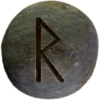
Raido (ᚱ), pronounced RYE tho, often symbolizes travel, purposeful movement, and the pursuit of a chosen path. Hervör undertakes significant journeys in search of knowledge, identity, and destiny. Her travels ultimately lead her to the burial mound of her father, where she secures Tyrfing despite repeated warnings and threats.
Together, Tiwaz (ᛏ) and Raido (ᚱ) reflect bravery, personal resolve, and the willingness to follow a difficult path toward an important objective. These themes stand at the center of Hervör’s enduring legend.
The Importance of Hervör to Asatruar
Many Asatruar value Hervör because her story illustrates courage, determination, and personal responsibility within a mythological and heroic framework. Her actions demonstrate the importance of facing challenges directly while remaining committed to family obligations and individual principles. These qualities often resonate with people who study and appreciate Norse traditions.
Hervör also represents the pursuit of knowledge about ancestry and heritage. Her quest for Tyrfing reflects a desire to understand and claim a meaningful connection with previous generations. This aspect of her story encourages reflection on lineage, memory, and the lasting influence of family history.
Her willingness to confront supernatural dangers in pursuit of a worthy goal further enhances her significance. Many Asatruar view her as an example of bravery guided by purpose rather than recklessness. Through her legendary deeds, Hervör continues to serve as a powerful symbol of resilience, honor, and determination within the broader world of Norse tradition.