Last Updated on April 15, 2026
Table of Contents
The Structure and Power of Dróttkvætt
Dróttkvætt, sometimes written as drottkvaett or dróttkvætt meter, represents one of the most intricate poetic forms preserved in Old Norse tradition, where strict rules shape each line with precision and musical tension. You pronounce Dróttkvætt as “DROT-kvet,” where “ó” sounds like the “o” in “note,” and “kvætt” compresses into a clipped “kvet” with a firm ending. This form relies on internal rhyme, alliteration, and syllabic balance, creating a dense and highly controlled style that challenges both composition and performance.
Each stanza in Dróttkvætt contains eight lines, with every line structured around six syllables and a pattern of stressed sounds that reinforce rhythm and cohesion throughout the verse. Poets must include internal rhymes called aðalhending and skothending, which differ in vowel and consonant matching and require careful planning within limited space. These elements combine to produce a tightly woven structure where meaning, sound, and rhythm interact continuously without allowing room for careless phrasing.
Letters with diacritical marks often appear in reconstructed forms of Dróttkvætt, including “á,” pronounced like the “ow” in “cow,” and “æ,” pronounced like the “a” in “cat,” which shape the sound and flow of each line. The letter “ð,” pronounced like the “th” in “this,” and “þ,” pronounced like the “th” in “thing,” contribute to consonant texture that supports internal rhyme patterns. These phonetic features matter because Dróttkvætt depends heavily on sound relationships that listeners recognize during recitation.
Performance and Literary Context
Skalds composed Dróttkvætt for courts and gatherings where rulers and warriors expected poetry that displayed both intellectual discipline and artistic mastery. The form demanded memorization and careful delivery, since any misstep in rhyme or rhythm could disrupt the intricate pattern that defines its structure. Audiences valued this precision because it reflected the poet’s skill and reinforced the importance of language within social and political settings.
Examples of Dróttkvætt appear in the Prose Edda, compiled by Snorri Sturluson, where he explains poetic techniques and preserves verses that illustrate the complexity of this meter. The Heimskringla also includes numerous stanzas that use Dróttkvætt to recount the deeds of kings, blending historical narrative with poetic artistry. These sources provide insight into how poets used the form to celebrate leaders, record events, and reinforce shared values through structured expression.
Common alternate names and spellings include drottkvaett, dróttkvætt meter, and court meter, each reflecting its association with elite environments where poets performed for influential audiences. Despite variations in spelling, the pronunciation remains close to “DROT-kvet,” maintaining the same emphasis on the first syllable and a crisp conclusion. This consistency helps modern readers approach the form with a clearer sense of how it sounded during recitation.
Technical Features and Creative Expression
Dróttkvætt enforces a balance between strict regulation and creative expression, where poets must follow detailed rules while still producing vivid imagery and engaging narrative content. Internal rhyme appears in alternating lines, with odd lines using skothending and even lines using aðalhending, creating a layered sound pattern that reinforces the poem’s rhythm. Alliteration links lines together, ensuring that each pair shares a common initial sound that anchors the stanza.
Poets often integrate kennings within Dróttkvætt, adding another layer of complexity that requires listeners to interpret metaphor while tracking rhyme and rhythm simultaneously. This combination transforms each stanza into a compact structure where meaning unfolds through sound, association, and careful arrangement of words. The result feels dense yet dynamic, rewarding attentive listening and repeated exposure.
Writers continue to study Dróttkvætt today because it demonstrates how disciplined constraints can produce expressive and memorable language without relying on simplicity or repetition. The form encourages precision, creativity, and a deep awareness of sound, making it a lasting example of poetic craftsmanship. Through its demanding structure, Dróttkvætt preserves a tradition that values both intellectual rigor and artistic innovation.
Runic Echoes Within Structured Verse
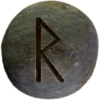
The rune Raido (ᚱ), pronounced “RYE-tho,” connects strongly with the movement and rhythm that define Dróttkvætt, since each line advances with measured progression and deliberate pacing. This rune represents journey and ordered motion, reflecting how the meter guides listeners through tightly controlled sequences of sound and meaning. Its association with travel mirrors the way poetic lines carry ideas forward within a structured framework.
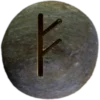
Another rune, Fehu (ᚠ), pronounced “FAY-hoo,” symbolizes wealth and exchange, which aligns with the richness of language found in Dróttkvætt compositions. Poets treat words as valuable resources, arranging them carefully to achieve both aesthetic impact and structural precision within limited space. Together, these runes highlight how movement and value intersect within a poetic form that transforms language into a disciplined yet expressive art.
Enduring Importance Among Asatruar
Practitioners who follow northern traditions continue to value Dróttkvætt as a connection to historical forms of expression that emphasize discipline, memory, and communal storytelling. The structure encourages active participation, since composing or reciting this meter requires focus, practice, and a strong grasp of linguistic patterns. This engagement strengthens cultural identity while fostering respect for inherited forms of artistic expression.
Modern use of Dróttkvætt often appears in gatherings, written compositions, and educational settings where participants explore traditional techniques through contemporary perspectives. The form supports continuity by linking present practice with earlier poetic achievements, allowing individuals to engage with heritage in a meaningful and creative way. Through this process, Dróttkvætt remains a vital element of cultural expression that continues to inspire dedication and skill.