Last Updated on April 25, 2026
Table of Contents
Geirrödargardar and the Stronghold of a Giant King
Geirrödargardar, also rendered as Geirrødargardar or Geirrodargardar in simplified forms, refers to the fortified domain associated with the giant king Geirröd in Norse mythology. The name combines elements that suggest both enclosure and authority, forming a compound that indicates a defended settlement or stronghold. Scholars approximate the pronunciation as GAYR-röd-ar-gar-dar, where the letter ö sounds like the vowel in “bird,” and the repeated gar element carries a firm and grounded tone.
This location represents more than a physical fortress, as it reflects the power and hostility of its ruler within the mythological landscape. Giants often occupy territories that contrast with the ordered realms of the gods, and Geirrödargardar stands as a place shaped by tension and challenge. The structure symbolizes both protection and confrontation, where visitors must navigate danger and deception to survive.
Writers often interpret the name as meaning Geirröd’s enclosure or Geirröd’s stronghold, which reinforces the connection between ruler and territory. Variants such as Geirrødargardar preserve the same structure while adapting spelling to different linguistic traditions. Through these forms, the name retains its association with strength, defense, and the presence of a powerful figure who commands his domain.
Mythological Context and Narrative Role
Geirrödargardar appears most clearly in accounts involving the god Thor, particularly within stories preserved in the Prose Edda that describe encounters between gods and giants. In these narratives, Thor visits the hall of Geirröd and faces a series of dangerous trials designed to test his strength and resilience. The setting of Geirrödargardar shapes these events by providing an environment filled with hidden threats and deliberate challenges.
Within the story, Geirröd attempts to overpower Thor through cunning rather than direct confrontation, which reflects a different style of conflict compared to open battle. The fortress becomes a stage where strategy, endurance, and quick thinking determine survival rather than sheer force alone. This dynamic adds depth to the myth, showing that danger can arise from subtle manipulation as well as overt aggression.
Descriptions of the stronghold emphasize its imposing nature, suggesting a place built to intimidate and control those who enter. Thor’s eventual triumph within this environment highlights the tension between divine power and giant cunning, reinforcing the broader theme of conflict between opposing forces. Geirrödargardar thus functions as both a physical location and a narrative device that intensifies the story’s dramatic impact.
Symbolism and Cultural Interpretation
Geirrödargardar symbolizes the idea of a boundary space where order confronts chaos and strength meets resistance in a controlled environment. The fortress represents a domain where rules differ from those of the gods, forcing visitors to adapt and respond to unfamiliar conditions. This setting reflects a worldview that recognizes the existence of hostile territories beyond the safety of known structures.
The repeated element gar within the name connects to the concept of enclosure, which suggests both protection and limitation depending on perspective. For the ruler, the fortress offers security and authority, while for outsiders it creates a sense of confinement and danger. This dual meaning enriches the interpretation of Geirrödargardar as a place where power operates within defined boundaries.
Modern interpretations often view the stronghold as a symbol of psychological trials, where individuals confront challenges that test their resilience and adaptability. The story encourages reflection on how environments influence behavior and outcomes, emphasizing the importance of awareness and preparedness. Geirrödargardar remains a vivid example of how mythological settings convey deeper meanings through structure and narrative context.
Runic Associations with Geirrödargardar
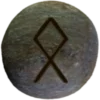
The rune Othila (ᛟ) aligns with Geirrödargardar through its connection with inheritance, land, and the concept of a defined territory that belongs to a specific lineage or authority. This rune reflects the idea of a guarded domain that carries both material and symbolic significance, which matches the nature of Geirröd’s stronghold. Othila (ᛟ) emphasizes the importance of boundaries and the relationship between a ruler and the land they control.
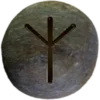
Another rune that complements this setting is Algiz (ᛉ), which represents protection, defense, and the instinct to guard against external threats. This rune resonates with the fortified nature of Geirrödargardar, where structure and vigilance combine to create a secure environment for its ruler. Algiz (ᛉ) highlights the defensive aspect of the stronghold, reinforcing its role as a place designed to resist intrusion and maintain control.
Geirrödargardar and Its Meaning to Asatruar
Geirrödargardar holds meaning for Asatruar because it represents the challenges that arise when individuals step beyond familiar boundaries and encounter resistance. The story associated with this place encourages reflection on how strength and awareness help navigate difficult environments. The stronghold represents a symbol of trials that require both courage and adaptability.
Its connection with Thor’s journey reinforces the importance of resilience and the ability to respond effectively to unexpected situations. This perspective supports a worldview that values preparedness and the willingness to face adversity with determination. Geirrödargardar thus serves as a reminder that growth often occurs through confronting obstacles rather than avoiding them.
Many view this location as a metaphor for personal boundaries and the need to understand both protection and limitation within one’s life. The enduring image of the fortress connects mythological narrative with practical reflection, offering insight into how individuals can approach challenges with clarity. Geirrödargardar remains a meaningful and instructive element within spiritual interpretation.