Last Updated on June 3, 2026
Table of Contents

The Life and Legacy of Eyvindr Skáldaspillir
Eyvindr Skáldaspillir stands among the most respected poets of the Viking Age and remains an important figure within the literary heritage of medieval Scandinavia. His name is commonly pronounced “AY-vindr SKOWL-das-pill-ir.” The letter á in Skáldaspillir sounds similar to the vowel in the English word “awe,” while the Icelandic letter ð, known as eth and pronounced “eth,” sounds much like the voiced th in the English word “this.” Modern writings sometimes present his name as Eyvind Skaldaspillir or Eyvindr Skaldaspillir when special characters are omitted.
Historians generally place Eyvindr Skáldaspillir in tenth century Norway, where he earned recognition as a skilled court poet serving influential rulers. He belonged to a period when poetry carried tremendous cultural importance because people preserved history, reputation, and collective memory through carefully crafted verse. A talented skald could shape how future generations remembered kings, battles, and notable achievements.
The nickname Skáldaspillir has inspired discussion among scholars for centuries. Many interpret the name as meaning something similar to “spoiler of poets” or “surpasser of poets,” suggesting that contemporaries viewed his abilities as exceptional. Rather than insulting other writers, the title likely praised his talent and acknowledged his remarkable command of poetic composition.
Eyvindr Skáldaspillir gained lasting fame through poems that honored Norwegian rulers and recorded significant events. His verses displayed technical mastery, rich imagery, and deep familiarity with traditional poetic conventions. Those qualities helped preserve valuable historical information while also demonstrating the artistic sophistication of Norse literary culture.
Poetry, Royal Courts, and Historical Memory
Much of what people know about Eyvindr Skáldaspillir comes from poems attributed to him and from later medieval sources that preserved portions of his work. He reportedly served rulers connected to the Norwegian royal line and participated in the vibrant tradition of court poetry. Kings valued accomplished poets because their compositions strengthened prestige and extended fame beyond a ruler’s lifetime.
Among his best known works are poems that commemorate important leaders and describe their accomplishments through vivid language. His verses often combined historical details with references to mythology, creating layers of meaning that rewarded knowledgeable audiences. This style reflected the expectations of Skaldic Poetry, which demanded intellectual skill from both poet and listener.
His compositions also provide insight into social values that shaped Viking Age society. Honor, courage, generosity, loyalty, and reputation appear frequently within themes associated with skaldic literature. Through these subjects, Eyvindr Skáldaspillir helped preserve a worldview that later generations could study and appreciate.
Unlike many historical figures whose achievements survive only through brief references, he left a literary legacy that continued influencing writers and scholars centuries after his death. Medieval compilers recognized the quality of his poetry and included portions within important manuscripts. Their efforts ensured that modern readers could still encounter fragments of his creative work.
Enduring Influence in Norse Culture
Eyvindr Skáldaspillir occupies a unique position because he serves both as a historical figure and as a symbol of the skaldic tradition itself. Students of Norse literature frequently examine his poetry to understand how Viking Age poets balanced artistry with historical documentation. His surviving works demonstrate the complexity and sophistication that characterized elite Scandinavian verse.
Interest in his life extends beyond academic circles because many people fascinated by Norse mythology and Viking history encounter his name while exploring original literary sources. His poems help bridge the gap between legendary material and documented historical events. That connection makes his contributions especially valuable for readers seeking a deeper understanding of early Scandinavian culture.
Modern translations and studies continue to introduce new audiences to his achievements. Researchers analyze his language, structure, and imagery to uncover details about social customs, political relationships, and literary techniques. Each generation finds fresh reasons to revisit his work because it offers both artistic merit and historical significance.
Many admirers regard Eyvindr Skáldaspillir as one of the great voices of the Norse world. His poetry preserved memories of rulers, reflected cultural ideals, and demonstrated extraordinary technical skill. Through those accomplishments, he secured a lasting place within Scandinavian literary history and remains a respected figure among those who value the heritage of the Viking Age.
Elder Futhark Runes Associated with Eyvindr Skáldaspillir
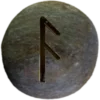
One Elder Futhark rune often associated with Eyvindr Skáldaspillir is Ansuz (ᚨ), pronounced “AHN-sooz.” Traditional interpretations connect Ansuz (ᚨ) with wisdom, communication, eloquence, and inspired speech. Those qualities align naturally with the reputation of a distinguished skald whose poetry carried cultural memory, political significance, and artistic expression. Because skilled poets relied on language to influence audiences and preserve important events, Ansuz (ᚨ) serves as a fitting symbolic connection to his literary achievements.
Another rune linked to Eyvindr Skáldaspillir is Kenaz (ᚲ), pronounced “KAY-nahz.” Kenaz (ᚲ) traditionally represents knowledge, creativity, craftsmanship, and illumination through learning. These themes correspond closely with the intellectual discipline required to master skaldic poetry and compose verses that endured across centuries. The rune symbolizes the spark of creative insight that transforms knowledge into meaningful artistic expression. Together, Ansuz (ᚨ) and Kenaz (ᚲ) reflect communication, wisdom, and poetic skill, all of which characterize the enduring legacy associated with Eyvindr Skáldaspillir.
The Importance of Eyvindr Skáldaspillir to Asatruar
Many Asatruar value Eyvindr Skáldaspillir because his poetry preserves important elements of the cultural environment that surrounded Norse religious traditions. His work offers insight into the values, beliefs, and social ideals that influenced Scandinavian society during the Viking Age. Through his verses, modern readers gain access to perspectives that originated much closer to the historical period associated with the old faith.
Asatruar often appreciate literary sources because those texts help preserve knowledge that might otherwise have disappeared. The poems attributed to Eyvindr Skáldaspillir contribute to a broader understanding of ancestral culture and provide context for interpreting myths, customs, and historical developments. His writings therefore serve as valuable cultural resources.
For many practitioners, his legacy represents the power of memory, storytelling, and tradition. His enduring influence demonstrates how poetry can preserve heritage across centuries and help maintain connections between past generations and modern communities.