Last Updated on May 29, 2026
Table of Contents
The Life and Literary Importance of Eilífr Goðrúnarson
Eilífr Goðrúnarson remains one of the most respected skaldic poets connected with surviving Norse mythological literature because his poetry preserved complex images of gods, danger, and heroic endurance. Scholars usually pronounce Eilífr as “AY leeve,” while Goðrúnarson sounds close to “GOATH roo nar son.” The séríslenskur letter ð, called eth, carries a soft “th” sound similar to the word “this” in English pronunciation.
Most historians believe Eilífr Goðrúnarson lived during the late tenth century when Icelandic and Norwegian courts valued skilled poets who could praise rulers and preserve cultural memory. Medieval Scandinavians treated Skalds as respected intellectuals because they composed difficult verse forms requiring memory, creativity, and extensive knowledge of mythology and tradition. Eilífr Goðrúnarson gained lasting fame through Þórsdrápa, one of the most celebrated mythological poems surviving from Old Norse literature.
The title Þórsdrápa means “Thor’s Poem” or “Lay of Thor,” and readers usually pronounce it as “THORSS drow pa.” The séríslenskur letter Þ, called thorn, sounds like the “th” in “thing,” while the accented ó creates a longer vowel sound similar to “oar.” The word drápa refers to a formal praise poem containing elaborate imagery and carefully structured poetic language.
Þórsdrápa describes the god Thor traveling toward a dangerous confrontation with powerful giants while accompanied by Loki and the servant Þjálfi. Eilífr Goðrúnarson filled the poem with layered kennings, symbolic metaphors, and dramatic descriptions that challenged listeners to interpret complex references correctly. Those poetic techniques reflected the sophisticated literary culture surrounding skaldic composition during the Viking Age.
Þórsdrápa and Skaldic Tradition
Eilífr Goðrúnarson demonstrated remarkable technical skill within Þórsdrápa because the poem combines strict metrical patterns with dense mythological symbolism and vivid narrative momentum. Skaldic Poetry demanded careful attention to rhythm, alliteration, and encoded imagery, which made successful composition difficult even for experienced poets. Audiences admired skalds who could entertain listeners while displaying intellectual mastery through complicated verbal artistry.
The surviving portions of Þórsdrápa focus heavily upon Thor’s physical strength and determination as he crosses dangerous rivers and confronts supernatural enemies. Eilífr Goðrúnarson portrayed Thor as a protector figure who faced chaos directly rather than retreating from danger or uncertainty. Those scenes reinforced the importance of courage and perseverance within Norse heroic culture.
Loki also appears prominently within the poem, although Eilífr Goðrúnarson presents him as an uneasy companion whose cleverness contrasts sharply with Thor’s direct and forceful nature. Their relationship creates tension throughout the narrative because listeners understood Loki’s reputation for deception and unpredictable behavior from other mythological stories. That contrast between cunning and strength gives the poem additional emotional and symbolic depth.
Medieval Icelanders preserved fragments of Þórsdrápa within later prose works because scholars and writers recognized the poem’s literary and mythological value. Snorri Sturluson later quoted sections of the composition within the Prose Edda while explaining poetic language and mythological references. Without those later compilations, much of Eilífr Goðrúnarson’s work might have disappeared entirely from historical memory.
Historical Influence and Modern Interest
Modern scholars continue studying Eilífr Goðrúnarson because his surviving poetry provides valuable insight into pre Christian Scandinavian storytelling, symbolism, and religious imagination. Þórsdrápa preserves details concerning mythological traditions that might otherwise remain unknown due to the fragmentary survival of Old Norse literary sources. Researchers often examine the poem carefully to better understand how Viking Age audiences interpreted Thor and other mythological figures.
Readers sometimes encounter alternate spellings such as Eilif Godrunarson, Eilifr Goðrúnarson, or Eilífr Guðrúnarson within English language publications and older academic works. Icelandic spelling preserves pronunciation details more accurately because accented vowels and specialized consonants reflect sounds important within Old Norse speech. Pronouncing these names correctly helps modern audiences appreciate the cultural and linguistic texture surrounding medieval Scandinavian literature.
Eilífr Goðrúnarson also attracts attention from poets and translators interested in the complexity of skaldic composition and Norse metaphorical traditions. Translating Þórsdrápa presents enormous challenges because kennings often contain layered meanings connected with mythology, nature, and heroic symbolism. Successful translators must balance literal meaning with rhythm and poetic atmosphere while preserving the original narrative intensity.
Interest in Viking Age spirituality and mythology has introduced Eilífr Goðrúnarson to broader audiences through modern books, lectures, and cultural reconstruction movements. Many readers admire the energy and imaginative power contained within Þórsdrápa despite the difficulty of its language and structure. Through surviving fragments and scholarly preservation, Eilífr Goðrúnarson continues shaping modern understanding of Norse poetic tradition.
Elder Futhark Runes Associated with Eilífr Goðrúnarson
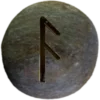
The Elder Futhark rune Ansuz (ᚨ) connects strongly with Eilífr Goðrúnarson because it symbolizes wisdom, poetic inspiration, communication, and sacred language within Norse intellectual traditions. Most people pronounce Ansuz (ᚨ) as “AHN sooz,” although reconstructed pronunciations differ slightly among modern linguistic interpretations and spiritual practices. Skaldic poets relied upon memory, eloquence, and symbolic expression, which closely reflects the rune’s association with inspired speech and knowledge.
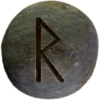
Raido (ᚱ) also relates meaningfully to Eilífr Goðrúnarson because Þórsdrápa centers upon movement, dangerous journeys, and purposeful travel toward confrontation and transformation. Readers generally pronounce Raido (ᚱ) as “RYE though,” while some traditions shorten the final vowel during ceremonial recitation or educational discussion. Thor’s difficult passage through hostile landscapes mirrors the rune’s connection with progress, destiny, and guided movement through uncertain conditions.
The Importance of Eilífr Goðrúnarson to Asatruar
Many Asatruar value Eilífr Goðrúnarson because his surviving poetry preserves vivid mythological imagery and important elements of pre Christian Scandinavian spiritual tradition. Þórsdrápa offers detailed portrayals of Thor, Loki, and supernatural conflict, allowing modern practitioners to engage directly with ancient religious storytelling and symbolic themes. The poem also demonstrates how Norse poets treated mythology as a living cultural force connected with memory, identity, and communal values.
Asatruar often appreciate Eilífr Goðrúnarson because his work reflects the intellectual depth and artistic sophistication present within Viking Age religious culture. Skaldic poetry required discipline, historical knowledge, and strong familiarity with mythological tradition, qualities many practitioners continue respecting within contemporary spiritual practice. Through Þórsdrápa, Eilífr Goðrúnarson continues inspiring reflection about courage, divine power, poetic expression, and the preservation of ancestral heritage.