Last Updated on April 28, 2026
Table of Contents
Core Differences and Shared Themes in Asatru vs Wicca
Asatru vs Wicca presents a comparison between two modern spiritual paths that draw inspiration from pre-Christian traditions, yet they differ significantly in worldview, structure, and cultural grounding. Asatru focuses on the revival of ancient Norse beliefs rooted in historical sources, while Wicca draws from a blend of ceremonial magic, folklore, and modern reinterpretation. Many practitioners find meaning in both systems, yet each path carries distinct theological assumptions and ritual practices that shape how followers engage with spirituality.
Asatru, sometimes spelled Asatru and pronounced “OW-sa-troo,” emphasizes honoring the Norse gods, ancestors, and land spirits through rituals called Blóts and sumbels. Wicca, often pronounced “WIK-uh,” centers on a duotheistic or pantheistic view, usually involving a Goddess and a God, and includes structured rituals tied to lunar and seasonal cycles. Both traditions value nature and personal responsibility, yet they express these values through different symbolic frameworks and mythological references.
Practitioners often approach the question of Asatru vs Wicca with curiosity about authenticity and flexibility, since Asatru tends to reconstruct older traditions while Wicca embraces adaptation and eclectic practice. Community structure also differs, as Asatru groups often emphasize kinship and shared heritage, while Wiccan covens or solitary practitioners prioritize personal spiritual development. These differences shape how individuals experience ritual, identity, and connection to the divine within each path.
Pronunciation and Alternative Names
Understanding how to pronounce key terms in Asatru vs Wicca helps clarify their origins and cultural nuance, especially for newcomers exploring these traditions. Asatru includes diacritical marks, with the “Á” sounding like “ow” in “now,” and “trú” sounding like “troo,” which reflects its Icelandic linguistic roots. Some people simplify the spelling to Asatru without diacritics, though the pronunciation remains similar in most communities.
Wicca has fewer spelling variations, though related terms like Witchcraft and Paganism often appear in discussions about its practices and beliefs. Pronunciation remains straightforward, with emphasis on the first syllable, making it accessible for English speakers. While both traditions share connections to broader pagan movements, each maintains a unique identity shaped by its historical influences and evolving interpretations.
Exploring Asatru vs Wicca also involves recognizing alternative names and related paths, such as Heathenry for Asatru and Neo-Paganism for Wicca. These broader categories include diverse interpretations, which means not every practitioner follows identical beliefs or rituals. Clarity around terminology helps avoid confusion and supports respectful understanding of each tradition’s distinct heritage.
Beliefs, Rituals, and Spiritual Focus
Beliefs within Asatru vs Wicca differ in structure and emphasis, with Asatru focusing on a polytheistic system rooted in Norse mythology and Wicca often adopting a dual or flexible divine framework. Asatru practitioners honor deities like Odin and Thor while emphasizing fate, honor, and community responsibility. Wiccans, meanwhile, often emphasize balance, harmony, and ethical living through the Wiccan Rede, which encourages mindful action.
Ritual practices highlight another key difference, as Asatru ceremonies often involve communal offerings and spoken toasts that strengthen bonds between participants and their ancestors. Wiccan rituals typically include casting a circle, invoking elements, and performing symbolic acts aligned with lunar phases and seasonal festivals. Both traditions value ritual as a means of connection, yet their methods and symbolic language reflect different spiritual priorities.
Spiritual focus in Asatru vs Wicca also varies in how practitioners relate to history and innovation, since Asatru seeks to reconstruct past traditions while Wicca embraces modern creativity and adaptation. This distinction influences how followers interpret myths, create rituals, and define authenticity. Each path offers meaningful ways to engage with spirituality, depending on personal values and cultural interests.
Runes and Symbolism in Norse Spiritual Contexts
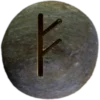
Two Elder Futhark runes often associated with discussions around Asatru vs Wicca include Fehu (ᚠ) and Algiz (ᛉ), each carrying symbolic meaning rooted in Norse mythology and spiritual interpretation. Fehu (ᚠ), pronounced “FAY-hoo,” represents wealth, prosperity, and the flow of energy, often linked to both material success and spiritual abundance. Practitioners may view Fehu (ᚠ) as a symbol of beginnings and the responsible use of resources within both personal and communal contexts.
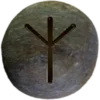
Algiz (ᛉ), pronounced “ALL-yeez,” symbolizes protection, connection to higher realms, and the safeguarding of spiritual well-being. Many interpret Algiz (ᛉ) as a bridge between the human and divine, offering guidance and defense against harm. While runes primarily belong to Norse traditions like Asatru, some Wiccans incorporate them into eclectic practices, though interpretations can vary depending on individual belief systems.
Importance of Asatru vs Wicca to Asatruar
The question of Asatru vs Wicca holds importance to Asatruar because it highlights the distinctions that define their spiritual identity and cultural focus within a broader pagan landscape. Many Asatruar value historical continuity and see their path as a reconstruction of ancestral traditions, which shapes how they approach ritual and belief. Comparing their practices with Wicca helps clarify these differences and reinforces a sense of authenticity rooted in Norse heritage.
Discussion around Asatru vs Wicca also encourages reflection on community, since Asatru often emphasizes kinship, shared values, and collective responsibility. This contrasts with the more individualized approach often found in Wicca, prompting Asatruar to articulate what makes their tradition unique. These comparisons support deeper understanding and strengthen commitment to preserving cultural and spiritual practices.
Engagement ultimately fosters dialogue and awareness, helping Asatruar navigate their place within modern pagan movements. It allows them to appreciate similarities while maintaining clear boundaries that protect their traditions. This ongoing conversation supports growth, education, and respectful interaction across diverse spiritual paths.