Last Updated on April 18, 2026
Table of Contents

Gudrun: Voice of Grief and Endurance
Gudrun, also written as Guðrún or Gudrún, stands as one of the most emotionally complex figures within early northern heroic tradition, where her story unfolds through loss, loyalty, and transformation. You can pronounce Gudrun as “GOOD-roon,” while Guðrún includes the letter ð, called “eth,” pronounced like the “th” in “this,” making it “GUTH-roon.” The accented ú carries a long “oo” sound, giving the name a drawn and resonant tone. These variations preserve older linguistic forms while maintaining a consistent identity across sources.
Gudrun’s narrative centers on her relationships with powerful figures, particularly her marriage to Sigurd, whose fate shapes the course of her life and defines much of her emotional journey. Her story does not remain confined to a single event, as it unfolds across multiple stages marked by grief, betrayal, and resilience. This progression creates a layered portrayal that captures both vulnerability and strength, allowing her character to evolve in response to changing circumstances. Her experiences reflect the broader themes of loyalty and consequence that define heroic storytelling.
Her role extends beyond personal tragedy, as she becomes a central figure in a sequence of events that affect entire families and alliances. Gudrun navigates complex relationships with siblings, spouses, and rivals, each connection influencing her decisions and shaping the outcomes that follow. This network of interactions highlights the importance of kinship and obligation within early narratives, where individual actions carry far-reaching effects. Her presence therefore anchors a story that blends personal emotion with collective consequence.
Trials and Transformations
Gudrun’s life changes dramatically after the death of Sigurd, as grief transforms into a driving force that influences her later actions and decisions. She does not remain passive in the face of loss, as her responses reflect both sorrow and determination to address the injustices she encounters. This shift creates a dynamic portrayal where emotional depth translates into purposeful action, reinforcing her role as a central figure within the unfolding narrative. Her journey demonstrates how individuals respond to hardship with a mix of endurance and resolve.
Subsequent events place Gudrun in new alliances and conflicts, where she must navigate shifting loyalties and evolving circumstances that challenge her sense of identity. These experiences reveal her adaptability, as she responds to changing conditions while maintaining a connection to her past. Her character embodies the tension between memory and necessity, where decisions must balance personal history with present demands. This complexity adds depth to her portrayal, making her story resonate across different stages of her life.
Alternate spellings such as Guðrún and Gudrún reflect linguistic variation rather than separate identities, ensuring that her presence remains consistent across texts and translations. These forms preserve subtle differences in pronunciation while maintaining a unified representation of her character. This continuity allows readers to trace her story even when language shifts over time. Such consistency reinforces her role as a central and enduring figure within heroic literature.
Presence in Early Texts
Gudrun appears extensively in the Poetic Edda and the Völsunga Saga, where her story unfolds through a series of interconnected poems and narratives that explore themes of love, betrayal, and revenge. These works present her as a figure of profound emotional depth, capturing her responses to the events that shape her life. Her presence anchors these texts, providing a perspective that emphasizes the human cost of conflict and ambition. This portrayal ensures that her character remains central to the overall narrative structure.
These accounts highlight Gudrun’s interactions with other key figures, revealing how her relationships influence the progression of events and the outcomes that follow. Her role extends beyond individual experience, as her actions contribute to the resolution of larger conflicts within the narrative. By focusing on her perspective, the texts provide insight into the emotional dimensions of heroic storytelling. This approach allows readers to engage with the story on both personal and collective levels.
Runes Reflecting Gudrun’s Journey
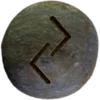
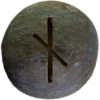
The rune Perthro (ᛈ) connects strongly with Gudrun, as it represents fate, hidden forces, and the unfolding of events that shape individual lives in unexpected ways. Its symbolism aligns with the twists and turns that define her story, capturing the sense of mystery and inevitability that surrounds her experiences. Another rune, Nauthiz (ᚾ), reflects need, hardship, and the pressure that drives transformation, mirroring the challenges Gudrun faces throughout her life. Together, these runes illustrate the interplay between destiny and response, highlighting how her character navigates adversity with resilience and depth.
Gudrun’s Importance to Asatruar
Gudrun holds importance for Asatruar because she represents the strength found in endurance and the ability to confront hardship without losing a sense of identity. Her story highlights how individuals can navigate grief and conflict while maintaining a connection to their values and relationships. Practitioners often find meaning in her resilience, as it reflects the challenges faced in both personal and communal contexts. This perspective encourages reflection on how adversity shapes growth and understanding.
Her experiences also emphasize the importance of accountability and the consequences of actions within interconnected relationships. Gudrun’s role demonstrates how decisions influence not only individual outcomes but also the broader Community. This awareness fosters a sense of responsibility and mindfulness within spiritual practice. Gudrun becomes a powerful example of endurance, transformation, and the lasting impact of personal choices.