Last Updated on April 14, 2026
Table of Contents
The Radiant Nature of ljósálfar and Their Place in the Northern Worldview
The ljósálfar, often written as ljosalfar or ljósálfar, represent luminous beings whose name comes from Old Norse, where ljós means light, pronounced roughly as “LYOHS,” and Álfar means elves, pronounced “AHL-var.” These beings occupy a distinct role among supernatural entities, embodying brightness, grace, and an elevated presence that contrasts strongly with darker, earth-bound spirits. Their identity connects closely with beauty, vitality, and subtle forces that influence growth, harmony, and the unseen rhythms shaping the natural world.
Sources describe ljósálfar as radiant figures whose appearance reflects purity and refinement, often associated with shining environments and elevated realms. Their home, Álfheimr, pronounced “AHLF-hame-er,” stands as a place of light and elegance, where these beings interact with divine and natural forces. Writers portray them as deeply connected to fertility, inspiration, and the flourishing of life, suggesting that their influence reaches into both human experience and environmental balance.
People often associate ljósálfar with creative inspiration and the unseen aspects of existence, particularly those linked to beauty, music, and emotional resonance. Their presence suggests a refined awareness that bridges the visible and invisible, allowing them to guide or influence events without direct intervention. This connection gives them a subtle yet powerful role, shaping perception, intuition, and the appreciation of harmony in both nature and human life.
Descriptions in Early Texts and Cultural Memory
The ljósálfar appear in surviving medieval Icelandic writings, including the Prose Edda, where they receive a brief yet meaningful description. The text explains that they are fairer than the sun in appearance, emphasizing their luminous quality and reinforcing their association with brilliance and clarity. This portrayal establishes them as beings who embody light in a literal and symbolic sense, representing clarity, vitality, and elevated awareness.
Although references remain limited, these descriptions carry weight because they position ljósálfar within a structured worldview that distinguishes different types of supernatural beings. Their contrast with Dökkálfar, or dark elves, highlights a duality that reflects broader themes of light and shadow, refinement and density, and openness and concealment. This contrast does not necessarily imply moral judgment but instead suggests different modes of existence and influence.
The cultural memory surrounding ljósálfar extends beyond written accounts, shaping later folklore that portrays elves as beautiful, elusive, and sometimes unpredictable. These traditions preserve elements of their original identity, especially their connection to natural beauty and unseen forces. Over time, these stories blend reverence with caution, reflecting a belief that such beings command respect due to their power and sensitivity.
Symbolism and Lasting Influence
The ljósálfar represent more than individual beings, as they embody a broader concept of illumination, both physical and spiritual. Their association with light connects them to ideas of insight, creativity, and life energy, suggesting that they influence not only the external world but also inner awareness. This symbolic role allows them to function as intermediaries between higher forces and the human experience.
Writers and storytellers often use ljósálfar to express ideals of beauty and balance, emphasizing their role in maintaining harmony within natural systems. Their presence suggests that unseen forces contribute to growth and transformation, guiding processes that humans may observe but not fully understand. This perspective reinforces a worldview where visible reality interacts constantly with hidden influences.
The enduring fascination with ljósálfar reflects a desire to understand the subtle dimensions of existence, especially those linked to light, inspiration, and refinement. Their image continues to inspire art, literature, and modern interpretations that explore themes of elegance and transcendence. By maintaining their identity as luminous beings, ljósálfar remain powerful symbols of clarity, vitality, and the unseen forces that shape both nature and human perception.
Runes Connected to Light and Subtle Influence
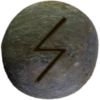
The rune Sowilō (ᛊ or ᛋ), pronounced “SOH-wee-loh,” represents the sun and radiance, making it closely aligned with the ljósálfar and their luminous essence. This rune symbolizes clarity, vitality, and the life-giving force that sustains growth, reflecting the same qualities attributed to these radiant beings. Its shape and meaning emphasize direction and illumination, reinforcing the idea that light reveals truth and guides perception.
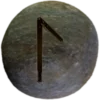
Another rune, Laguz (ᛚ), pronounced “LAH-gooz,” connects to water, flow, and intuition, linking it indirectly to the ljósálfar through their association with subtle influence and unseen currents. This rune embodies movement, emotional depth, and the hidden aspects of awareness that shape experience beneath the surface. Together, Sowilō (ᛊ or ᛋ) and Laguz (ᛚ) illustrate how light and flow interact, echoing the presence of ljósálfar as forces that inspire, guide, and quietly influence the world.
Meaning of ljósálfar Within Asatruar Practice
For practitioners within modern Heathen traditions, the ljósálfar hold importance as representations of light, harmony, and the unseen aspects of existence that influence daily life. They serve as reminders that not all forces operate visibly, encouraging awareness of subtle energies that shape personal growth and environmental balance. This perspective fosters respect for Natural Cycles and the interconnectedness of all living things.
Many individuals view ljósálfar as symbols of inspiration and creativity, drawing on their association with beauty and refinement to guide artistic and spiritual expression. Their presence encourages mindfulness and appreciation for the delicate interplay between light and shadow within both the natural world and human experience. By reflecting these qualities, ljósálfar contribute to a deeper understanding of balance and awareness.
Within this context, ljósálfar represent an ideal of harmony that practitioners strive to recognize and cultivate in their lives. Their symbolism reinforces the importance of maintaining equilibrium, honoring natural forces, and acknowledging the unseen influences that shape reality. This connection ensures that ljósálfar remain meaningful figures within contemporary spiritual practice.