Last Updated on April 14, 2026
Table of Contents
Craft and Mystery of Dwarves in the Northern Tradition
Dwarves, also written as dvergar in Old Norse and sometimes spelled dwarfs in older English usage, represent master craftsmen whose name dvergar is pronounced roughly as “DVAIR-gar.” These beings live beneath the earth, where stone, metal, and hidden forces shape their identity and purpose. Their reputation centers on unmatched skill, deep knowledge, and a connection to materials that others rarely understand.
Stories present Dwarves as creators of powerful objects that influence gods and humans alike, showing their importance in shaping events through craft rather than direct action. Their work reflects precision, patience, and a deep awareness of natural elements, especially those found underground. This association with the hidden world gives them a reputation for wisdom that comes from observation, experimentation, and mastery over time.
The appearance of Dwarves varies across accounts, yet many descriptions emphasize sturdy forms, resilience, and a practical approach to life. Their environment demands strength and adaptability, which shapes their behavior and outlook. Through their creations and interactions, Dwarves demonstrate how skill and knowledge can influence the world in lasting and meaningful ways.
Origins and Roles in Early Accounts
Early writings describe Dwarves emerging from the earth or forming from primal materials, linking them directly to the foundation of the world. This origin highlights their connection to stone, metal, and transformation, which defines their role as builders and shapers. Their presence establishes a relationship between creation and the physical world, emphasizing the importance of craftsmanship in maintaining order.
The Poetic Edda and Prose Edda include references to Dwarves, often listing their names and describing their contributions to significant events. These texts present them as skilled artisans who forge objects such as weapons, tools, and treasures that carry great power. Their involvement in these stories shows how their work influences outcomes, even when they remain distant from direct conflict.
One well-known example involves the creation of Mjölnir, the hammer wielded by Thor, which Dwarves forge with extraordinary care despite challenges during its making. This story illustrates their ability to overcome obstacles and produce items of lasting importance. Such accounts reinforce their reputation as essential contributors whose skills shape both divine and human experiences.
Symbolism and Cultural Influence
Dwarves represent the power of creation through effort, skill, and dedication, emphasizing the value of work that transforms raw materials into meaningful forms. Their connection to the underground world reflects hidden potential, suggesting that valuable resources and knowledge often remain out of sight. This symbolism encourages an appreciation for patience and the gradual development of mastery.
Writers and storytellers use Dwarves to explore themes of ingenuity, responsibility, and the consequences of creation, especially when powerful objects carry both benefit and risk. Their stories highlight the balance between skill and intention, showing that even the finest craftsmanship requires careful thought. This perspective adds depth to their role, presenting them as more than simple artisans.
The lasting image of Dwarves continues to influence modern interpretations, where they often appear as builders, inventors, and guardians of knowledge. Their identity remains tied to the idea that true mastery requires dedication and respect for materials and processes. Through these qualities, Dwarves maintain a strong presence in cultural imagination and storytelling.
Runes Reflecting Craft and Endurance
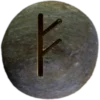
The rune Fehu (ᚠ), pronounced “FAY-hoo,” connects to wealth, resources, and the results of skilled labor, aligning closely with the work of Dwarves and their ability to create valuable objects. This rune represents both material success and the effort required to achieve it, emphasizing the relationship between creation and reward. Its meaning reflects the transformation of raw materials into something useful and significant.
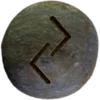
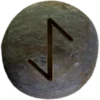
Another rune, Eihwaz (ᛇ), pronounced “EYE-wahz,” symbolizes endurance, resilience, and the strength needed to overcome challenges, qualities that define the lives and work of Dwarves. This rune connects to stability and persistence, highlighting the importance of maintaining focus through difficulty. Together, Fehu (ᚠ) and Eihwaz (ᛇ) illustrate how Dwarves embody both the creation of value and the strength required to sustain it over time.
Importance of Dwarves Within Asatruar Practice
Within modern Heathen traditions, Dwarves hold importance as symbols of craftsmanship, dedication, and the transformation of effort into tangible results. They represent the idea that skill and persistence can shape both personal and shared experiences, encouraging individuals to value their work and its impact. This perspective reinforces a respect for creation and the processes that bring ideas into reality.
Many practitioners view Dwarves as reminders of the hidden aspects of existence, particularly those connected to knowledge, resources, and the unseen forces that support growth. Their association with the earth highlights the importance of grounding and stability, which helps maintain balance in daily life. This connection encourages a deeper awareness of how effort and intention influence outcomes.
Dwarves also inspire a sense of responsibility, as their creations often carry significant consequences that affect others. This idea promotes careful thought and respect for the results of one’s actions, especially when creating something of lasting value. Through these qualities, Dwarves remain meaningful figures within contemporary spiritual practice.