Last Updated on April 14, 2026
Table of Contents
The Precision and Power of Gungnir
Gungnir, sometimes written as Gungner or Gungneer in modern adaptations, stands as a legendary spear associated with divine authority and unerring accuracy. The name Gungnir comes from Old Norse and is pronounced “GOONG-neer,” where the initial sound carries a strong, rounded tone. This weapon represents focus, intention, and the ability to direct force with absolute certainty, making it one of the most recognized symbols of power and control.
Crafted by Dwarves, Gungnir reflects exceptional skill and mastery over materials, highlighting the importance of craftsmanship in shaping objects that hold immense influence. The spear never misses its target once thrown, reinforcing its connection to precision and inevitability. This quality gives it a reputation as a tool that embodies both physical strength and the focused will of its wielder.
The design of Gungnir often includes runic markings carved along its shaft, which enhance its power and connect it to deeper layers of meaning. These inscriptions reflect knowledge, intention, and the act of shaping reality through symbols and action. Through this combination of form and function, Gungnir serves as a representation of directed energy and purposeful movement.
Accounts in Early Texts and Legendary Use
References to Gungnir appear in the Poetic Edda and the Prose Edda, where it plays a role in significant events involving divine figures. One notable account describes how Odin casts Gungnir over opposing forces at the beginning of a great conflict, marking the act as a declaration and commitment. This moment emphasizes the spear’s role not only as a weapon but also as a symbol of intention and authority.
These texts highlight the reliability of Gungnir, reinforcing the idea that its trajectory reflects the will behind it rather than chance or uncertainty. The spear’s connection to oaths and declarations further strengthens its symbolic meaning, linking it to truth and resolve. Through these stories, it becomes more than a physical object, representing a force that aligns action with purpose.
The involvement of Dwarves in its creation adds another layer of significance, as their craftsmanship ensures that the spear functions with perfect balance and effectiveness. This connection underscores the idea that powerful tools emerge from skill, knowledge, and careful design. By combining these elements, Gungnir embodies both the art of creation and the execution of intent.
Symbolism and Lasting Influence
Gungnir represents the concept of focused action, where intention directs movement with clarity and purpose, eliminating uncertainty from the outcome. Its association with accuracy and inevitability reflects a worldview where actions carry weight and consequences follow naturally. This symbolism encourages an understanding of responsibility and the importance of aligning intention with action.
The spear also serves as a reminder of the connection between knowledge and power, particularly when symbols such as runes enhance its effectiveness. These markings illustrate how understanding and intention can amplify physical force, creating a balance between intellect and strength. This relationship reinforces the idea that true power arises from a combination of insight and capability.
Modern interpretations continue to draw on the image of Gungnir as a symbol of determination, precision, and authority, often using it to represent the ability to achieve goals with clarity. Its enduring presence reflects a fascination with tools that embody both physical and symbolic power. Through these qualities, Gungnir remains a compelling representation of directed energy and purposeful action.
Runes Connected to Aim and Transformation
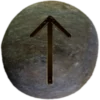
The rune Tiwaz (ᛏ), pronounced “TEE-wahz,” aligns closely with Gungnir through its association with direction, honor, and decisive action, reflecting the spear’s ability to strike its target with certainty. This rune represents focus and commitment, emphasizing the importance of clear intention when pursuing a goal. Its upward form mirrors the idea of a spear in motion, reinforcing its connection to precision and purpose.
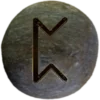
Another rune, Perthro (ᛈ), pronounced “PERTH-roh,” carries meanings related to mystery, unfolding events, and hidden processes, linking it to the deeper forces that guide Gungnir’s path. This rune highlights the interplay between intention and outcome, suggesting that even precise actions interact with underlying patterns. Together, Tiwaz (ᛏ) and Perthro (ᛈ) illustrate how Gungnir combines clarity with the unfolding nature of events, creating a balance between control and transformation.
Meaning of Gungnir Within Asatruar Practice
Within modern Heathen traditions, Gungnir holds importance as a symbol of focused will, responsibility, and the alignment of intention with action. It represents the idea that decisions carry weight and that individuals must act with clarity and purpose to achieve meaningful results. This perspective encourages mindfulness and deliberate action in daily life.
Practitioners often view Gungnir as a reminder of the connection between knowledge and execution, emphasizing that understanding alone does not create change without action. Its symbolism inspires individuals to direct their efforts with precision and confidence, reflecting the qualities associated with the spear. This connection reinforces the importance of balance between thought and action.
Gungnir also represents commitment, particularly in the context of making promises or taking decisive steps toward a goal. Its association with certainty highlights the value of following through on intentions and accepting the outcomes that result. Through these meanings, Gungnir continues to serve as a powerful symbol within contemporary spiritual practice.