Last Updated on April 15, 2026
Table of Contents
Sessrúmnir: The Hall of Many Seats Within Fólkvangr
Sessrúmnir, also spelled Sessrumnir or Sessrúmner, stands as a grand hall associated with Freyja and located within the wide expanse of Fólkvangr. The name combines sess, meaning seat, with rúmnir, meaning roomy or spacious, creating a phrase that translates as hall with many seats. You pronounce Sessrúmnir as SESS-room-neer, where the ú sounds like the vowel in rule, and the final r carries a light, rolled tone that finishes the word with clarity.
This hall functions as a central gathering place for those who arrive in Fólkvangr, offering both structure and a sense of belonging within an otherwise open landscape. Warriors who enter this domain find not only rest but also companionship, as Sessrúmnir provides space for interaction and shared experience. Its design reflects inclusion and readiness, suggesting that many individuals can gather without losing their distinct presence or identity.
Descriptions present Sessrúmnir as both practical and symbolic, combining the need for shelter with the deeper meaning of communal connection. The hall does not isolate individuals but instead brings them together in a setting that encourages recognition and continuity. This role highlights the importance of shared space in maintaining identity beyond the conditions of life.
Structure, Meaning, and Daily Life Within the Hall
Sessrúmnir offers a place where those who reside in Fólkvangr can gather, speak, and maintain the bonds that define their shared existence. Its spacious nature allows for movement and interaction, creating an environment where individuals remain active participants rather than passive occupants. This dynamic reflects a continuation of life’s social elements, carried forward into a new setting that preserves purpose and engagement.
The arrangement of many seats suggests that each individual holds a place within the hall, reinforcing the idea that recognition extends to all who enter. This feature emphasizes balance, where no single presence dominates the space, and each person contributes to the overall atmosphere. The structure supports a sense of equality and shared identity, strengthening the connections among those who gather there.
Freyja’s association with Sessrúmnir shapes its tone and function, as her influence brings a sense of care, discernment, and strength to the hall. Her presence ensures that the space remains both welcoming and purposeful, reflecting the qualities she values in those she selects. This connection deepens the meaning of Sessrúmnir, linking it directly to her role within Fólkvangr.
Mentions in Early Sources and Linguistic Features
Sessrúmnir appears in the Prose Edda, where it is described as Freyja’s hall located within Fólkvangr, providing a clear reference to its role and placement. This mention establishes its importance within early written tradition and confirms its association with both Freyja and the chosen warriors. The description highlights its spacious nature, reinforcing the meaning embedded within its name.
The spelling Sessrúmnir includes the diacritical letter ú, which influences pronunciation by creating a long vowel sound that differs from standard English usage. This sound resembles the vowel in rule, though it maintains a slightly purer tone that reflects its linguistic origin. The ending nir requires a smooth transition between consonants and vowels, ensuring the word retains its original rhythm and clarity.
Alternate forms such as Sessrumnir or Sessrúmner appear in various texts and adaptations, reflecting differences in transcription rather than meaning. These variations maintain the core idea of a spacious hall filled with seats, preserving its identity across different contexts. Understanding these forms allows for a broader appreciation of how the name continues to appear in both historical and modern usage.
Runes Associated with Sessrúmnir
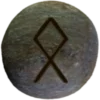
The rune Othila (ᛟ) connects strongly with Sessrúmnir through its association with heritage, belonging, and the concept of a shared space tied to identity and continuity. This rune reflects how the hall provides a place where individuals gather and maintain a sense of connection rooted in their actions and experiences. Its meaning aligns with the idea that Sessrúmnir functions as more than a structure, serving as a focal point for collective presence.
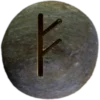
Another rune linked to Sessrúmnir is Fehu (ᚠ), which represents wealth, resources, and the movement of value within a Community or group. This rune captures the abundance implied by a hall with many seats, where space and inclusion extend freely to those who arrive. Together, these runes highlight themes of belonging, shared resources, and the ongoing exchange that defines life within Sessrúmnir.
Importance of Sessrúmnir to Asatruar
For Asatruar, Sessrúmnir represents a powerful image of community, where individuals gather in a shared space that reflects recognition, inclusion, and continuity beyond physical life. It encourages reflection on how people create environments that support connection and mutual respect in their daily lives. This perspective emphasizes the value of building spaces where everyone holds a place and contributes meaningfully.
The hall also reinforces the importance of relationships, reminding practitioners that strength often emerges through cooperation and shared experience rather than isolation. By considering the role of Sessrúmnir, individuals gain insight into how collective identity forms and persists over time. This understanding supports efforts to maintain strong bonds within communities.
Sessrúmnir offers a model for balance, where individuality and unity exist together without conflict, allowing each person to retain identity while participating in a larger whole. This idea encourages thoughtful engagement with others and promotes a sense of responsibility toward maintaining harmony. Sessrúmnir continues to inspire meaningful reflection and action.