Last Updated on April 15, 2026
Table of Contents
Fólkvangr: The Field of the Chosen and the Realm of Freyja
Fólkvangr, also spelled Folkvangr or Fólkvang, refers to a vast and significant field where chosen warriors find rest after death under the care of Freyja. The name combines fólk, meaning people or warriors, with vangr, meaning field, forming a phrase that translates as Field of the People. You pronounce Fólkvangr as FOHLK-vahng-gr, where the ó sounds like the vowel in go, and the final gr carries a slightly rolled and clipped sound.
This realm serves as one of the primary destinations for fallen warriors, sharing that role with Valhalla, yet offering a distinct atmosphere shaped by Freyja’s presence and authority. Freyja selects half of those who fall in battle, bringing them into Fólkvangr while the remaining warriors travel elsewhere. This division highlights her importance and reflects a balance between different forms of honor and recognition within the warrior tradition.
Descriptions present Fólkvangr as a wide and open landscape, where those who arrive continue to exist in a state that blends peace with readiness. The field does not suggest inactivity, as those who dwell there maintain a connection to strength and purpose even in death. This portrayal emphasizes continuity, where identity and capability remain intact beyond the moment of passing.
Landscape, Role, and Presence of Freyja
Fólkvangr extends as a symbolic and physical space where chosen warriors gather, reflecting themes of belonging and recognition through selection by Freyja herself. Her role as chooser adds a personal dimension to the process, as she determines who joins her domain based on criteria that reflect courage and worth. This connection reinforces her influence and establishes it as a place shaped by intention rather than chance.
Within Fólkvangr stands Sessrúmnir, a hall associated with Freyja, where those who reside in her field may gather and find shelter. The name Sessrúmnir means seat room or hall with many seats, suggesting a place designed for assembly and shared presence. This structure complements the open field, offering a focal point where Community and interaction take place among those who have arrived.
The environment of Fólkvangr conveys a sense of calm strength, where the intensity of battle gives way to a stable and enduring existence. Warriors do not lose their identity or purpose, as they remain connected to the qualities that defined them in life. This continuity highlights the value placed on character and action, reinforcing the idea that deeds carry lasting significance.
Mentions in Early Sources and Linguistic Detail
Fólkvangr appears in the Poetic Edda, specifically in the poem Grímnismál, where its role as Freyja’s domain receives direct mention alongside other significant locations. The verses describe how she chooses half of the slain, establishing Fólkvangr as a central destination for warriors. This reference provides a clear and direct acknowledgment of its place within early literary tradition.
The spelling Fólkvangr preserves the original diacritical mark over the ó, which influences pronunciation and distinguishes it from simplified forms such as Folkvangr. The ó carries a long vowel sound, similar to the o in more, though it maintains a slightly purer tone. The ending ngr requires attention, as the g and r combine into a compact sound that concludes the word with firmness.
Alternate forms like Fólkvang or Folkvang appear in modern usage, yet they retain the core meaning tied to gathering and space. These variations reflect shifts in transcription rather than changes in meaning, allowing the term to remain recognizable across different contexts. Understanding these forms helps preserve the original character of the name while making it accessible to a wider audience.
Runes Connected to the Nature of Fólkvangr
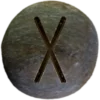
The rune Gebō (ᚷ) aligns with Fólkvangr through its association with exchange, gifts, and mutual relationships that form bonds between individuals and communities. This rune reflects the idea that entry into Fólkvangr represents a form of recognition, where warriors receive a place within Freyja’s domain in response to their actions. The concept of exchange emphasizes balance, suggesting that deeds and outcomes remain connected through meaningful interaction.
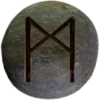
Another rune that resonates with Fólkvangr is Mannaz (ᛗ), which represents humanity, shared identity, and the connections that define groups of people living and acting together. Its meaning highlights the communal aspect of Fólkvangr, where individuals gather and maintain a sense of belonging beyond their individual experiences. Together, these runes express the importance of relationship, recognition, and shared presence within this field.
Importance of Fólkvangr to Asatruar
For Asatruar, Fólkvangr represents a meaningful destination that reflects honor, recognition, and the continuation of identity beyond physical life. It provides a perspective on how actions shape outcomes, encouraging individuals to live with intention and awareness of the legacy they create. This understanding reinforces the value of courage and integrity in shaping one’s path.
The connection to Freyja adds depth, as her role highlights qualities such as discernment, strength, and care in selecting those who enter her domain. This aspect encourages reflection on personal values and the importance of living in alignment with principles that carry lasting significance. It also emphasizes that recognition involves more than achievement, as it includes character and presence.
Fólkvangr offers a framework for understanding continuity, where existence extends beyond a single lifetime while preserving identity and purpose. This idea supports a broader view of life and legacy, encouraging thoughtful engagement with both present actions and long-term meaning. Fólkvangr continues to hold relevance and inspire reflection.