Last Updated on April 14, 2026
Table of Contents

Seiðr: The Art of Shaping Fate and Perception
Seiðr, also spelled Seiðr, Seiðr, or seithr, represents a form of magical practice that focuses on influencing fate, perception, and the unseen forces that guide events. The word seiðr comes from Old Norse and is pronounced SAY-ther, where the letter “ð” carries a soft “th” sound similar to “this.” This distinctive letter, called eth and written as “ð,” requires a gentle vibration of the tongue against the upper teeth to produce its correct sound.
This practice emphasizes interaction with hidden layers of reality, where practitioners direct intention and awareness toward outcomes that affect both individuals and communities. Seiðr involves a combination of ritual, vocal expression, and mental focus that allows participants to alter perception or influence unfolding events. The practice does not rely on physical force, as it instead draws strength from understanding and engaging with deeper patterns.
Practice and Techniques
Practitioners often engage in structured rituals that include chanting, rhythmic movement, and focused visualization designed to shift awareness and access hidden knowledge. These techniques require preparation, discipline, and a willingness to enter altered states of perception that reveal connections between actions and outcomes. The process creates a bridge between the visible world and the forces that operate beneath it.
Tools associated with seiðr may include staffs, platforms, or designated spaces where rituals take place, each contributing to the structure and effectiveness of the practice. Participants often work within a group setting, where collective focus strengthens the intended outcome and reinforces shared purpose. This collaborative element highlights the importance of unity and coordination in achieving meaningful results.
It also involves elements of prophecy, where practitioners seek insight into future events or hidden truths that influence decision making and strategy. This aspect requires careful interpretation, as the information received often appears in symbolic or indirect forms. The ability to understand and apply these insights defines the skill and effectiveness of the practitioner.
Mentions in Early Texts
Seiðr appears in the Prose Edda, where it is associated with figures such as Freyja, who teaches the practice to others and demonstrates its importance within divine interactions. These references highlight its role as a respected and powerful form of knowledge that extends beyond ordinary abilities. The text presents it as a practice that carries both influence and responsibility.
The Poetic Edda and various sagas, including Ynglinga Saga and Eirik the Red’s Saga, include descriptions of seiðr in action, often performed by individuals known as völur, or seeresses. The term Völva, pronounced VOL-vah, includes the letter “ö,” which sounds similar to the “i” in “bird,” and it refers to a woman skilled in prophecy and ritual. These accounts provide detailed examples of how it operates within social and narrative contexts.
Runes Connected to Seiðr
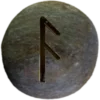
The Elder Futhark rune Ansuz (ᚨ) aligns with seiðr, as it represents communication, divine inspiration, and the transmission of knowledge through spoken or symbolic forms. Pronounced AHN-sooz, this rune reflects the vocal and mental aspects of seiðr that involve chanting, incantation, and the sharing of insight. Its symbolism connects with the flow of information between different levels of awareness.
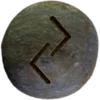
Another rune associated with seiðr is Perthro (ᛈ), which represents mystery, hidden knowledge, and the unfolding of events that reveal deeper patterns over time. Pronounced PER-throh, with the “th” like in “thin,” this rune emphasizes the unknown elements that practitioners engage with during ritual. Together, Ansuz (ᚨ) and Perthro (ᛈ) express the communication and mystery that define the practice of seiðr.
Seiðr and Its Importance to Asatruar
Seiðr holds importance for Asatruar because it represents a direct way to engage with fate, insight, and the unseen forces that influence both personal and communal experiences. Practitioners often view this practice as a means of gaining clarity, strengthening intuition, and understanding how actions connect with broader patterns. This perspective encourages a thoughtful and intentional approach to decision making.
The practice also highlights the responsibility that comes with knowledge, as those who engage with seiðr must consider the impact of their actions on others and on the flow of events. Asatruar may reflect on it when seeking guidance, exploring personal development, or participating in ritual work that requires focus and awareness. Through this, it becomes a meaningful expression of connection, insight, and purposeful action.