Last Updated on April 16, 2026
Table of Contents
Ótr: The Shape-Shifting Otter and Keeper of Hidden Wealth
Ótr, also spelled Otr or Ótter, appears as a unique figure who combines animal form with deeper connections to transformation, wealth, and consequence. The name Ótr links directly to the Old Norse word for otter, reflecting his ability to take on that shape while interacting with the natural world. You pronounce Ótr as OHT-r, where the ó sounds like the vowel in go, and the final r remains lightly rolled and distinct.
Ótr belongs to a family connected with powerful forces and significant events, standing alongside his brothers Fáfnir and Reginn, who also play central roles in related stories. His ability to shift into an otter form allows him to move freely through water and land, blending into environments that conceal valuable resources. This trait connects him to themes of adaptability and the hidden nature of wealth.
His story centers on a moment of unexpected encounter, where his presence in otter form leads to a tragic outcome that sets larger events into motion. This moment introduces a chain of consequences that extend beyond his own fate, influencing the actions of both gods and other figures. He becomes a catalyst for transformation that reaches far beyond his individual role.
The Death of Ótr and the Demand for Compensation
Ótr’s death occurs when Loki, traveling with Odin and Hœnir, strikes him while he appears as an otter resting near water, unaware of his true identity. This action leads to immediate consequences, as his family recognizes the loss and demands compensation for the harm caused. The situation shifts from a simple act into a complex negotiation, where the value of a life must find representation through material means.
His father, Hreiðmarr, insists that the gods fill Ótr’s skin with gold and cover it completely, ensuring that no part remains visible beneath the wealth. This demand transforms the event into a test of resourcefulness, as Loki must acquire enough gold to meet the requirement. The process introduces the cursed treasure associated with Andvari, adding another layer of consequence that extends into future events.
This episode highlights how actions create lasting effects that ripple outward, connecting individuals and outcomes across time. Ótr’s role in this sequence emphasizes the weight of decisions and the importance of recognizing the value inherent in every being. His story remains a central example of how a single moment can influence an entire chain of events.
Appearances in Early Sources and Linguistic Elements
He appears in the Prose Edda, particularly within the Skáldskaparmál section, where his story forms part of a larger narrative involving treasure and transformation. This account provides detailed context for his death and the events that follow, linking his fate to the broader saga of the Völsungs. The reference establishes his significance within early written tradition and highlights his role as a turning point.
The spelling Ótr includes the diacritical letter ó, which influences pronunciation by creating a long vowel sound similar to the o in more. This feature distinguishes the name from simplified forms such as Otr, ensuring the original phonetic structure remains clear. The compact nature of the word requires careful articulation, with each sound contributing to its distinct identity.
Alternate forms like Ótter or Otr appear in various adaptations, reflecting changes in language while preserving the core meaning tied to his identity. These variations allow the name to remain accessible across different contexts without losing its original connection. Understanding these forms enhances appreciation for the linguistic depth associated with him.
Runes Connected to the Story of Ótr
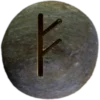
The rune Fehu (ᚠ) aligns with Ótr through its association with wealth, movable possessions, and the value placed on material resources within a Community. This rune reflects the central role of gold in the events surrounding his death, where compensation becomes the focus of negotiation and consequence. Its meaning captures the dual nature of wealth as both necessary and capable of carrying unintended outcomes.
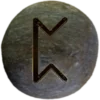
Another rune linked to Ótr is Perthro (ᛈ), which represents hidden elements, unfolding events, and the revelation of circumstances that remain concealed until the right moment. This rune mirrors the discovery of Ótr’s true identity after his death and the chain of events that follow. Together, these runes highlight themes of value, secrecy, and the unfolding nature of consequence.
Importance of Ótr to Asatruar
For Asatruar, Ótr represents the significance of awareness and the far-reaching effects that actions can create, even when those actions seem minor at first. His story encourages reflection on how decisions influence others and how outcomes can extend beyond immediate circumstances. This perspective supports a mindful approach to behavior and responsibility.
The events surrounding Ótr also highlight the complex relationship between wealth and consequence, reminding practitioners that material gain often carries deeper implications. By considering his role, individuals gain insight into how value should be understood and managed within their lives. This understanding promotes balance and thoughtful engagement with resources.
Ótr’s story continues to offer guidance through its emphasis on consequence, transformation, and the interconnected nature of events. His example encourages careful consideration of actions and their potential impact. This influence remains relevant and meaningful within modern practice.