Last Updated on April 17, 2026
Table of Contents

The Legacy of King Völsung
King Völsung, sometimes written as Volsung or Vǫlsungr in reconstructed Old Norse spelling, stands as a foundational figure within heroic tradition, known for his lineage, strength, and connection to a powerful family line. You pronounce Völsung as “VURL-soong,” where “ö” sounds like the “u” in “burn,” and the final syllable carries a rounded “oong” sound. His name identifies him as the progenitor of the Völsung lineage, a family that produces many notable heroes and figures.
Völsung rules as a respected leader whose authority rests on strength, wisdom, and the support of his kin, creating a stable foundation for his descendants. His story centers on family, loyalty, and the challenges that arise when alliances shift and rivalries intensify. Through his actions and decisions, he establishes patterns that influence future generations within his lineage.
The narrative surrounding King Völsung emphasizes the importance of kinship bonds, since his children play central roles in events that extend beyond his lifetime. His family includes the hero Sigmund and his twin sister Signy, whose stories carry forward the legacy of their father’s line. This focus on lineage highlights the enduring impact of his position and decisions.
Accounts in the Völsunga Saga
King Völsung appears prominently in the Völsunga Saga, where his story unfolds through a series of events that establish both his authority and the challenges he faces from rival figures. The saga describes his hall, where a great tree stands at the center, symbolizing strength and continuity within his household. This setting becomes the stage for a significant moment involving a sword placed within the tree.
A mysterious figure, often identified as Odin, drives a sword into the tree and declares that only the one who can pull it free may claim it, creating a test that reveals strength and destiny. Sigmund, Völsung’s son, succeeds in drawing the sword, which leads to conflict with King Siggeir, who desires the weapon for himself. This event sets in motion a series of betrayals and struggles that shape the fate of Völsung’s family.
Conflict escalates when Siggeir invites Völsung and his sons to visit, leading to a betrayal that results in Völsung’s death and the capture of his sons. This turning point marks the transition from stability to hardship, as the surviving members of the family must navigate loss and seek retribution. The saga presents these events with a focus on consequence and the unfolding of fate.
Symbolism and Enduring Themes
King Völsung represents the foundation of a lineage defined by resilience, courage, and the ability to endure hardship while maintaining a sense of identity and purpose. His role as a patriarch emphasizes the importance of leadership that supports both strength and continuity within a family structure. This symbolism extends beyond his individual actions, influencing how his descendants respond to challenges.
The presence of the tree within his hall serves as a powerful image of growth, connection, and rooted strength, reinforcing the idea that his family line draws support from deep and enduring sources. This imagery connects physical space with symbolic meaning, creating a setting that reflects the values associated with his rule. Through this connection, the narrative links environment and identity in a meaningful way.
Alternate spellings such as Volsung and Vǫlsungr reflect different approaches to representing Old Norse sounds, with “ǫ” pronounced like a rounded “o” similar to “awe.” Despite these variations, the pronunciation remains close to “VURL-soong,” maintaining the distinctive sound of the name. These phonetic details help preserve the linguistic character of the original tradition.
Runic Symbols Reflecting Lineage and Strength
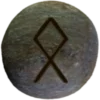
The rune Othila (ᛟ), pronounced “OH-thah-lah,” represents inheritance, lineage, and the passing of legacy across generations, which aligns closely with King Völsung’s role as the origin of a powerful family line. This rune emphasizes the importance of roots and continuity, reflecting how his influence extends through his descendants. Its symbolism highlights the enduring nature of familial connection.
Another rune, Ūruz (ᚢ), pronounced “OO-rooz,” connects to strength, vitality, and the raw power that supports survival and growth within challenging conditions. This rune mirrors the resilience demonstrated by Völsung and his descendants as they face adversity and maintain their identity. Together, these runes express themes of enduring strength and the continuation of legacy.
Importance of King Völsung Among Asatruar
Practitioners who follow northern traditions often view King Völsung as a symbol of lineage, resilience, and the enduring strength that arises from strong familial connections and shared identity. His story encourages reflection on how individuals contribute to the continuation of their heritage through actions and decisions. This perspective supports a deeper appreciation for the role of ancestry in shaping experience.
Modern interpretations emphasize his relevance in understanding how leadership, loyalty, and perseverance influence both individual lives and collective identity within a Community. Engagement with his narrative allows practitioners to explore themes of continuity, responsibility, and the impact of legacy. King Völsung continues to hold significance as a figure who embodies enduring strength and familial connection.