Last Updated on April 17, 2026
Table of Contents
The Creative Roles of Vili and Vé
Vili and Vé, sometimes written as Vili and Ve or Vili and Vé with normalized forms, stand alongside their brother Odin as central figures in the shaping of the early world through decisive action and shared purpose. You pronounce Vili as “VEE-lee,” with a long “ee” sound, while Vé sounds like “VAY,” where the accented “é” carries a clear and open tone. Their names connect to will and sacred space, reflecting the roles they fulfill within acts of creation and organization.
These two figures participate directly in the transformation of the primordial giant Ymir, whose body becomes the material foundation for the world and its structures. Vili and Vé contribute essential qualities that help define human existence, working alongside Odin to shape the first people from natural elements. This collaboration highlights the importance of shared effort in bringing order and meaning into existence.
Their presence emphasizes the idea that creation requires multiple forces working together, each contributing distinct aspects that combine into a complete and functioning whole. Vili represents intention and conscious thought, while Vé connects to sacredness and the establishment of spaces where meaning can emerge. They embody the integration of purpose and structure within the act of creation.
Accounts in Early Texts
Vili and Vé appear in the Prose Edda, where Snorri Sturluson describes their involvement in the creation of the world and the formation of humanity from tree forms found along the shore. The text explains how each brother provides a different gift, contributing breath, consciousness, and sensory awareness to the first human beings. This account highlights their roles as essential participants in shaping life and experience.
These figures also appear in references that connect them to the early structure of the divine family, where their actions influence the development of relationships and roles within the emerging world. Their involvement extends beyond creation, since their presence supports the establishment of order and meaning within newly formed environments. This broader influence underscores their importance within the narrative.
Alternate spellings such as Vili and Ve appear in modern texts, though the pronunciation remains consistent with “VEE-lee” and “VAY,” preserving the clarity of their names. The accented “é” in Vé should receive a distinct pronunciation, ensuring that it does not flatten into a neutral vowel sound. These phonetic details help maintain a connection to the original linguistic form.
Symbolism and Interpretive Meaning
Vili and Vé represent complementary aspects of creation, where intention and sacred structure combine to produce a world that supports both physical existence and meaningful experience. Their roles illustrate how different qualities must align to achieve balance and coherence within a complex system. This symbolism extends beyond their immediate actions, offering insight into broader patterns of interaction.
Their contributions to the formation of humanity emphasize the importance of awareness, perception, and the ability to engage with surroundings in a meaningful way. By providing these qualities, they ensure that human beings can participate actively in the world rather than existing passively within it. This focus on engagement reflects a deeper understanding of what it means to be fully present.
Modern interpretations often explore Vili and Vé as representations of internal forces that guide thought, intention, and the creation of meaningful spaces within both individual and collective contexts. Their story encourages reflection on how purpose and structure interact to shape experience and understanding. They remain relevant as symbols of creative collaboration and intentional design.
Runic Symbols Reflecting Will and Sacred Space
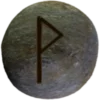
The rune Wunjō (ᚹ), pronounced “WOON-yo,” represents joy, harmony, and the fulfillment that arises when elements come together in a balanced and meaningful way, aligning closely with the cooperative roles of Vili and Vé in creation. This rune emphasizes the outcome of successful collaboration, where intention and structure produce a cohesive result. Its symbolism highlights the positive effects of aligned effort.
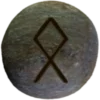
Another rune, Othila (ᛟ), pronounced “OH-thah-lah,” connects to heritage, enclosure, and the concept of a defined space that holds meaning and continuity across time. This rune reflects Vé’s association with sacred space and the establishment of environments where significance can develop. Together, these runes express themes of purposeful creation and the formation of meaningful structures.
Importance of Vili and Vé Among Asatruar
Practitioners who follow northern traditions often recognize Vili and Vé as figures who represent intention, awareness, and the creation of meaningful spaces that support both individual and communal experience. Their story encourages reflection on how purpose and structure interact to shape understanding and engagement with the world. This perspective fosters a deeper appreciation for the role of conscious action.
Modern interpretations emphasize their relevance in exploring how individuals contribute to shared environments and how intentional design influences outcomes within both personal and collective contexts. Engagement with their narrative allows practitioners to consider the balance between thought and structure in shaping experience. Vili and Vé continue to hold significance as symbols of creative collaboration and purposeful action.