Last Updated on April 17, 2026
Table of Contents

The Symbolic Tree Bárnstokkr
Bárnstokkr, sometimes written as Barnstokkr or Bárnstokkr with slight spelling variation, stands as a central and symbolic tree located within the great hall of King Völsung, serving as a focal point of strength, destiny, and continuity. You pronounce Bárnstokkr as “BAURNS-tok-ker,” where “á” sounds like the “ow” in “cow,” and “kk” creates a firm and clipped consonant sound. The name combines elements that suggest both a trunk or support and a connection to lineage or heritage, reinforcing its role within the narrative.
This tree rises through the center of the hall, anchoring the structure both physically and symbolically, creating a space where family, power, and fate intersect in a visible and meaningful way. Its presence transforms the hall into more than a dwelling, since it embodies the continuity of the family line and the strength that supports it. Through this positioning, Bárnstokkr becomes an enduring symbol of rooted identity and shared legacy.
The tree’s most famous moment occurs during a gathering when a mysterious figure drives a sword into its trunk, creating a challenge that reveals both destiny and strength among those present. This act turns the tree into a site of testing, where only one individual can claim the weapon and the future it represents. Through this event, Bárnstokkr becomes directly tied to the unfolding of significant events within the family’s story.
Role in the Völsunga Saga
Bárnstokkr appears in the Völsunga Saga, where it stands prominently within King Völsung’s hall and serves as the setting for a pivotal moment involving the sword that only Sigmund can draw. The saga describes how guests gather and witness the challenge, creating a scene filled with anticipation and tension. This moment establishes the tree as a central element in the narrative, linking place, action, and destiny.
Sigmund’s success in drawing the sword marks the beginning of conflict with King Siggeir, who desires the weapon and reacts with hostility when he cannot obtain it. This outcome connects Bárnstokkr to the chain of events that lead to betrayal, struggle, and the testing of familial bonds. The tree thus functions as a catalyst that brings hidden tensions into the open.
The saga uses Bárnstokkr not only as a physical object but also as a symbolic anchor that ties together themes of inheritance, strength, and the unfolding of fate through decisive moments. Its presence within the hall ensures that it remains central to the identity of the family and the events that shape their future. Through this role, the tree gains lasting significance within the narrative tradition.
Symbolism and Interpretive Meaning
Bárnstokkr represents rooted strength, continuity, and the connection between generations, serving as a powerful image of how identity grows from a stable and enduring foundation. Its position within the hall emphasizes the integration of natural and constructed elements, reflecting a balance between environment and human activity. This combination highlights the importance of grounding and connection within a shared space.
The act of embedding the sword within the tree introduces themes of destiny, challenge, and the idea that true strength reveals itself through interaction with established structures rather than isolation. This moment transforms the tree into a participant in the narrative, since it becomes the medium in which fate manifests. Bárnstokkr gains a dynamic role that extends beyond passive symbolism.
Alternate spellings such as Barnstokkr appear in modern texts, yet pronunciation remains close to “BAURNS-tok-ker,” preserving the distinctive sound shaped by the accented “á” and doubled consonants. These phonetic elements contribute to the texture of the name, ensuring that it retains its original character even in translation. This consistency supports a deeper connection to the linguistic roots of the term.
Runic Symbols Reflecting Root and Strength
The rune Ūruz (ᚢ), pronounced “OO-rooz,” represents physical strength, endurance, and the foundational power that supports growth and stability, aligning closely with the image of Bárnstokkr as a strong and central tree. This rune emphasizes resilience and the ability to withstand pressure while maintaining integrity. Its symbolism mirrors the enduring presence of the tree within the hall.
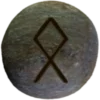
Another rune, Othila (ᛟ), pronounced “OH-thah-lah,” connects to heritage, inheritance, and the transmission of identity across generations, which reflects the role of Bárnstokkr in anchoring the family’s legacy. This rune highlights the importance of continuity and the preservation of meaningful connections within a lineage. Together, these runes express themes of rooted strength and enduring identity.
Importance of Bárnstokkr Among Asatruar
Practitioners who follow northern traditions often view Bárnstokkr as a symbol of rooted identity, continuity, and the strength that arises from a stable connection to heritage and shared experience. Its story encourages reflection on how physical and symbolic structures support the development of meaningful relationships and collective identity. This perspective fosters a deeper appreciation for the role of grounding within personal and communal life.
Modern interpretations emphasize its relevance in understanding how environments shape experience and how individuals interact with spaces that carry symbolic importance. Engagement with the image of Bárnstokkr allows practitioners to explore themes of stability, growth, and the unfolding of purpose within a structured setting. Bárnstokkr continues to hold significance as a representation of enduring connection and strength.