Last Updated on April 20, 2026
Table of Contents
The Harsh and Living Forest of Járnviðr
Járnviðr, also written as Járnvid, Jarnwidu, or Járnvið, stands as a powerful and foreboding forest whose very name evokes strength, danger, and unyielding growth. Pronounce Járnviðr as “YAHRN-vithr,” where “á” sounds like “ow” in “cow,” and “ð” carries a soft “th” sound similar to “this,” followed by a lightly rolled “r.” The name combines words meaning iron and wood, which suggests a place where trees and terrain possess a hardened, almost metallic resilience. This forest doesn’t feel passive or quiet, since it embodies tension, vitality, and an ever-present sense of looming change.
Járnviðr exists as more than a geographical location, because it functions as a living environment that shapes everything within its boundaries. Creatures that dwell there don’t simply survive, since they adapt and evolve under conditions that demand strength and awareness at every moment. The forest creates an atmosphere where natural forces operate without restraint, allowing growth and destruction to occur side by side. This dual nature gives Járnviðr a role that extends beyond scenery into something active and deeply influential.
Descriptions often connect Járnviðr with giant kin and powerful beings who thrive within its depths, forming a Community that reflects the forest’s harsh character. These inhabitants interact with forces that influence events far beyond their immediate surroundings, which gives the forest broader significance. Their actions don’t remain isolated, because consequences ripple outward and affect both divine and human realms. This connection ensures that Járnviðr remains central to stories that explore conflict, transformation, and the limits of control.
Names, Language, and Literary Presence
Alternate spellings such as Járnvid, Jarnwidu, and Járnvið appear across translations, each reflecting attempts to capture the original sound and structure of the name. Despite these variations, the core meaning remains consistent, which preserves its identity as the iron wood. Pronunciation plays an important role in maintaining that identity, since the accented vowels and the letter “ð” carry distinct sounds that define the word’s rhythm. Speakers who preserve these elements keep a closer connection to the older language and its expressive qualities.
Poetic sources such as the Poetic Edda include references to Járnviðr, describing it as a forest located east of a divine stronghold where giant women dwell and raise powerful offspring. These passages highlight the presence of wolves and other formidable creatures, which reinforces the forest’s association with danger and transformation. The texts don’t offer extended narratives about the forest itself, yet they provide vivid glimpses that anchor its role within a larger framework of events. This brief inclusion gives Járnviðr a lasting presence in the surviving material.
The forest acts as both setting and force, shaping those who enter while extending its influence beyond its physical boundaries. Járnviðr therefore represents a place where natural processes unfold without interference, creating conditions that challenge stability and predictability. This identity strengthens its role as a source of tension and change within the broader tradition. Its name alone continues to evoke a sense of weight, resilience, and hidden power.
Symbolism and Enduring Meaning
Járnviðr carries strong symbolic meaning through its connection to endurance, transformation, and the balance between growth and destruction. The iron quality suggests resilience and rigidity, yet it also hints at brittleness that can fracture under extreme pressure. This dual aspect mirrors cycles found throughout existence, where strength and vulnerability coexist within the same structure. The forest doesn’t remain static, since it constantly evolves through forces that reshape its form and influence.
Stories link Járnviðr with the raising of wolves that later challenge powerful figures, which emphasizes its role in nurturing forces that disrupt established order. This connection highlights how environments can shape outcomes that extend far beyond their origins. The forest doesn’t create chaos for its own sake, because it reflects natural processes that drive transformation and renewal. Járnviðr becomes a symbol of inevitability and the consequences of unchecked growth.
The enduring image of iron trees and shadowed paths continues to capture attention because it blends physical strength with deeper meaning. Járnviðr stands as a reminder that some forces resist control and thrive within harsh conditions that demand resilience. This identity ensures its continued relevance in discussions about power, environment, and change. Its presence remains vivid, grounded in both language and imagery that convey strength and transformation.
Runes That Echo the Iron Forest
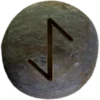
The rune Eihwaz (ᛇ) aligns closely with Járnviðr because it represents endurance, transformation, and the connection between life and death within demanding environments. This rune reflects the resilience required to persist within a forest that challenges everything that enters its domain. Its association with the yew tree reinforces themes of longevity and hidden strength, which mirror the deep-rooted nature of Járnviðr. Together, these qualities emphasize persistence through hardship and constant change.
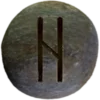
Hagalaz (ᚺ) also connects strongly with Járnviðr through its symbolism of disruption, natural force, and sudden transformation that reshapes entire landscapes. This rune captures the unpredictable energy that defines the forest and the events linked to it. Storm-like power reflects how growth and destruction occur simultaneously, without regard for stability or comfort. The pairing of Eihwaz (ᛇ) and Hagalaz (ᚺ) highlights endurance alongside upheaval, which defines the essence of Járnviðr.
Meaning to Modern Asatruar
Járnviðr holds importance for Asatruar because it represents the untamed forces of nature that demand respect and understanding rather than control. Its imagery encourages individuals to acknowledge the presence of powerful Natural Cycles that shape existence at every level. This perspective fosters awareness of balance, where growth and destruction operate together within a larger pattern. Many find value in recognizing that resilience often develops through exposure to challenging conditions.
Practitioners view Járnviðr as a symbol of transformation and strength, especially when facing situations that require endurance and adaptability. The iron forest reminds them that harsh environments can reveal hidden potential and forge lasting character. Its connection to powerful beings and transformative forces reinforces the importance of respecting natural processes. Járnviðr continues to inspire reflection on change, resilience, and the enduring power of the natural world.