Last Updated on June 8, 2026
Table of Contents
Frigg’s Spinning Wheel: Threads of Fate and Craft
Frigg’s spinning wheel, sometimes referred to through Old Norse associations with weaving and fate, connects closely with the goddess Frigg, whose name is pronounced roughly as “FRIG,” with a hard “g” sound. Alternate conceptual spellings include Frigg’s distaff and Frigg’s spindle, which reflect related tools used in textile production and symbolic storytelling. While no single Old Norse term universally names this object, traditions consistently link Frigg with spinning, weaving, and the shaping of destiny. These associations elevate the spinning wheel beyond a domestic tool, transforming it into a symbol of foresight, order, and quiet authority.
Descriptions of Frigg’s spinning wheel emphasize its role in the creation of thread, which serves as a metaphor for the unfolding of life and events. Spinning transforms raw fibers into structured strands, mirroring how experiences develop into coherent narratives over time. This process reflects Frigg’s connection to foresight, as she understands the progression of events even when she chooses not to reveal them. Through this symbolism, the spinning wheel becomes an instrument that represents both creation and knowledge.
Stories do not present Frigg’s spinning wheel as a weapon or artifact of conflict, yet its influence extends deeply into the structure of mythological thought. The act of spinning implies control over the flow of time and the arrangement of events, suggesting that quiet actions can shape outcomes as effectively as overt force. This perspective aligns with Frigg’s role as a figure who exerts influence through wisdom and subtle guidance. Her spinning wheel therefore embodies a form of power that operates through patience and precision.
Imagery associated with Frigg’s spinning wheel often evokes a calm and ordered environment, where deliberate movement produces lasting results. The steady rhythm of spinning contrasts with the chaos found in other mythological scenes, highlighting the importance of balance and continuity. This contrast reinforces the idea that stability requires ongoing effort and attention to detail. The spinning wheel serves as a reminder that creation and maintenance play essential roles in sustaining the world.
Connections to Norse Cosmology
Frigg’s spinning wheel aligns with broader themes in Norse cosmology, where the concept of fate intertwines with the actions of divine and mortal beings. While the Norns explicitly shape destiny, Frigg’s association with spinning suggests a parallel role in understanding and perhaps influencing the threads of existence. This connection does not place her in direct control of fate, but it does emphasize her awareness of its patterns and outcomes. The spinning wheel thus becomes a symbol of insight into the structure of reality.
References to weaving and spinning appear in various sources, including the Prose Edda, where Frigg’s wisdom and knowledge receive acknowledgment even when her actions remain understated. These mentions do not describe the spinning wheel in detail, yet they reinforce the thematic link between her character and the craft of textile creation. This association ensures that the spinning wheel retains its symbolic importance within interpretations of Norse mythology. Readers often view it as an extension of Frigg’s role rather than a separate artifact.
Symbolism of Creation and Continuity
Frigg’s spinning wheel represents the ongoing process of creation, where individual threads combine to form a cohesive whole that reflects both intention and circumstance. This symbolism extends beyond physical production, encompassing the development of relationships, histories, and identities. The act of spinning requires focus and consistency, qualities that mirror the effort needed to maintain stability in any context. Through this representation, the spinning wheel conveys the value of sustained attention and care.
Visual interpretations often depict the wheel in motion, emphasizing the dynamic nature of creation and the passage of time. This movement suggests that existence does not remain static, but instead evolves through continuous interaction and effort. The spinning wheel therefore captures the balance between change and continuity, illustrating how new developments emerge from established foundations. Its symbolism continues to resonate within discussions of Norse mythological themes.
Runic Associations with Craft and Insight
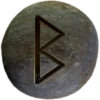
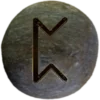
The rune Berkanan (ᛒ) connects strongly with Frigg’s spinning wheel, as it represents growth, nurturing, and the development of new life through careful attention. This rune reflects the nurturing aspect of spinning, where raw material transforms into something useful and enduring through deliberate effort. Another rune associated with this symbol is Perthro (ᛈ), which signifies mystery, hidden knowledge, and the unfolding of events that remain partially concealed. Together, these runes capture the interplay between creation and the deeper understanding that guides it.
Meaning and Importance of Frigg’s Spinning Wheel to Asatruar
Frigg’s spinning wheel holds importance to Asatruar, who often interpret it as a symbol of the quiet strength that shapes outcomes through patience and thoughtful action. Its association with Frigg encourages reflection on the value of foresight and the ability to guide events without overt force. Many view the spinning wheel as a reminder that meaningful change often arises from consistent effort rather than sudden intervention. This perspective highlights the relevance of its symbolism within spiritual practice.
Followers frequently draw inspiration from Frigg’s spinning wheel when considering how to approach their own responsibilities and creative endeavors. The steady process of spinning reflects the importance of dedication and the willingness to invest time in building something lasting. Through this understanding, the spinning wheel continues to influence modern interpretations of Norse mythology, offering insight into the balance between action, patience, and the shaping of one’s path.