Last Updated on April 21, 2026
Table of Contents
The Power and Curse of Tyrfing
Tyrfing, also spelled Tirfing or Tyrving, stands as a legendary sword known for its unmatched sharpness and the dark curse bound within its forged edge. You pronounce Tyrfing as “TEER-fing,” where the “y” takes on an “ee” sound, and the “fing” remains crisp and direct. Stories describe this weapon as one that never misses its mark and cuts through iron and bone with equal ease. Such qualities elevate it beyond ordinary weapons, placing it among the most feared and respected artifacts in heroic tradition.
Crafted by dwarven smiths under duress, Tyrfing carries a curse that ensures it brings death whenever drawn and eventually leads to the downfall of its wielder. The forging process reflects both skill and resentment, since the creators embed destructive consequences into the blade as a form of vengeance. This dual nature combines perfection in craftsmanship with unavoidable tragedy, creating a weapon that offers power at a steep cost. Its presence within any narrative introduces tension and inevitability.
Owners of Tyrfing gain immediate advantage in battle, yet they cannot escape the consequences that follow its use. Each victory brings further destruction, reinforcing the idea that power without restraint leads to ruin. These outcomes shape the reputation of the sword, making it a symbol of ambition that carries hidden danger. Its story continues to resonate because it reflects the risks associated with seeking absolute strength.
Origins and Saga Tradition
The Hervarar saga ok Heiðreks provides the primary account of Tyrfing, tracing its creation and the سلسلة of events tied to its cursed legacy. The name Heiðreks includes the letter “ð,” pronounced like the “th” in “this,” giving “HAY-threks” when spoken aloud. This saga follows the sword through generations, showing how it passes from one wielder to another while leaving a trail of conflict and loss. Each transfer reinforces the inescapable nature of its curse.
According to the narrative, Dwarves craft Tyrfing for a king who forces them into service, prompting them to ensure that the blade will bring suffering despite its flawless design. This act of defiance shapes the entire history of the weapon, influencing every event that follows. Characters who possess the sword often achieve short term success, yet they cannot avoid the destructive consequences tied to its use. The saga presents these events with a sense of continuity, linking each generation through shared misfortune.
Descriptions within the saga emphasize the sword’s reliability in combat, since it never fails to strike true once drawn. This certainty creates both confidence and dread, as wielders understand the cost of unsheathing the blade. The narrative uses this tension to explore themes of fate, responsibility, and the limits of control. These elements ensure that Tyrfing remains central to the unfolding story.
Symbolism and Enduring Meaning
Tyrfing represents the dangerous allure of absolute power, illustrating how perfection in one aspect can lead to destruction in another. Its flawless cutting ability contrasts sharply with the chaos it brings, highlighting the imbalance created by unchecked strength. This symbolism extends beyond the weapon itself, reflecting broader ideas about ambition and consequence. The sword becomes a narrative tool that explores the cost of achieving dominance.
Stories involving Tyrfing often focus on the inevitability of its curse, showing that no individual can fully control its effects despite skill or intention. This theme reinforces the idea that certain forces operate beyond human command, shaping outcomes regardless of effort. Characters who attempt to master the sword ultimately confront the limits of their influence. These encounters add depth to the narrative and emphasize the importance of restraint.
Alternate spellings such as Tirfing and Tyrving preserve the identity of the sword while reflecting variations in language and transmission. Pronunciation remains consistent across these forms, maintaining the “TEER” sound that defines its name. This consistency helps preserve recognition and continuity within the tradition. The enduring presence of Tyrfing highlights its significance as a symbol of power and consequence.
Runic Associations with Tyrfing
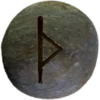
The rune Thurisaz (ᚦ) connects strongly with Tyrfing because it represents destructive force, conflict, and the raw power associated with giants and violent encounters. Its meaning reflects the sword’s ability to bring immediate and overwhelming impact in battle, aligning with its reputation for lethal precision. This rune also suggests danger that cannot be easily controlled, reinforcing the idea that wielding such power carries inherent risk. Its association captures the aggressive and unpredictable nature of the blade.
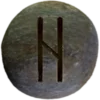
The rune Hagalaz (ᚺ) also aligns with Tyrfing, since it symbolizes disruption, sudden change, and the breaking of established order through forceful events. Its meaning reflects the chaos that follows the sword’s use, where victory often leads to further turmoil rather than stability. This rune emphasizes transformation through destruction, mirroring the consequences experienced by those who possess the weapon. Together, these runes highlight the balance between power and upheaval that defines Tyrfing.
Importance of Tyrfing to Asatruar
Tyrfing holds importance for Asatruar because it represents the balance between strength and responsibility, illustrating the consequences that arise when power lacks restraint. Its story encourages reflection on the choices individuals make when pursuing influence or control, emphasizing the need for awareness and discipline. This perspective reinforces values that prioritize balance and thoughtful action within both spiritual and everyday life. The sword serves as a reminder that every action carries lasting effects.
Many Asatruar view Tyrfing as a symbol of caution, since its cursed nature highlights the risks associated with unchecked ambition and desire for dominance. Its narrative encourages individuals to consider the broader impact of their decisions rather than focusing solely on immediate gains. This approach fosters a sense of accountability and respect for forces that extend beyond personal control. Tyrfing continues to hold relevance and meaning.