
Last Updated on April 23, 2026
Table of Contents
The Poetic Legacy of Fáfnismál in Norse Tradition
Fáfnismál, sometimes written as Fafnismal or Fafnismol, stands as a powerful narrative poem within the corpus of Old Norse mythological literature. Scholars usually associate it with heroic poetry, where it captures the tense encounter between the dragon Fáfnir and the hero Sigurðr. The name Fáfnismál means “the sayings of Fáfnir,” and pronunciation follows roughly as FAHV-nis-mawl, with the accented á sounding like “ow” in “cow.” This work combines poetic dialogue, mythic symbolism, and moral reflection in a compact yet memorable form.
The poem presents a dramatic exchange between Sigurðr and the dying dragon after the hero mortally wounds the creature. Fáfnir, once a man transformed by greed into a dragon, shares cryptic wisdom and warnings about fate, treasure, and betrayal. Sigurðr listens carefully, showing curiosity and intelligence, which shapes his heroic identity beyond simple physical strength. The dialogue format gives the poem a philosophical tone that sets it apart from purely action driven narratives.
Fáfnismál appears in the Poetic Edda, a key collection of Old Norse poems preserved in medieval Icelandic manuscripts. This context places the poem among other mythological and heroic works, many of which explore themes of destiny, honor, and inevitable tragedy. The poem does not simply recount events but instead focuses on the spoken exchange, which reveals deeper truths about human nature and the consequences of unchecked desire. Through this structure, the poem emphasizes knowledge as both a gift and a burden.
Language plays a significant role in shaping the atmosphere of Fáfnismál, since the poetic diction uses kennings and symbolic phrases that demand careful interpretation. Readers encounter vivid imagery that evokes both the physical setting and the emotional weight of the encounter. The rhythm and structure of the verse reinforce the tension, guiding the audience through a conversation that feels both intimate and monumental. This careful crafting ensures that the poem resonates beyond its immediate storyline.
The Dialogue Between Hero and Dragon
The exchange between Sigurðr and Fáfnir forms the core of the poem, and it highlights the importance of wisdom gained through confrontation. Fáfnir, despite his monstrous transformation, retains knowledge that reflects his former humanity and tragic downfall. Sigurðr asks direct questions about origins, fate, and the nature of power, which allows the dragon to respond with layered answers that mix warning and insight. This interaction creates a dynamic where the hero learns even as he triumphs.
Fáfnir’s responses often carry a tone of caution, especially when he speaks about the cursed treasure that motivated his transformation. He warns Sigurðr that greed leads to destruction, suggesting that the hero may face a similar fate despite his current success. These statements introduce a sense of inevitability that echoes throughout Norse mythology, where characters often struggle against destinies they cannot escape. The poem uses this tension to deepen its emotional impact.
Sigurðr’s role in the dialogue demonstrates curiosity and strategic thinking rather than simple bravado. He does not rush away after defeating the dragon but instead engages in conversation that enriches his understanding of the world. This portrayal aligns with broader heroic ideals that value intelligence alongside courage. Through this interaction, the poem presents heroism as a balance between action and reflection.
Fáfnismál also connects to the Volsunga Saga, where the story of Sigurðr and Fáfnir appears in prose form with additional narrative detail. The saga expands on the events surrounding the dragon’s transformation and the treasure’s curse, offering a broader context for the poem’s dialogue. While the poem focuses on the exchange itself, the saga provides background that enhances the reader’s appreciation of the themes. Together, these sources create a more complete picture of the legend.
Symbolism and Enduring Themes
Symbolism runs throughout Fáfnismál, especially in its portrayal of the dragon as a representation of greed and isolation. Fáfnir’s transformation from a human into a monstrous being reflects the destructive power of avarice, which consumes both identity and morality. Sigurðr’s victory over the dragon symbolizes the triumph of courage, yet the warnings he receives suggest that such victories carry hidden costs. This layered meaning gives the poem lasting relevance.
The treasure guarded by Fáfnir serves as another important symbol, representing both wealth and the curse that accompanies it. Characters who seek the treasure often face tragic consequences, reinforcing the idea that material gain does not guarantee happiness or security. The poem uses this motif to explore the tension between desire and restraint, encouraging reflection on the values that guide human behavior. Such themes resonate across different cultures and time periods.
Fate, or Wyrd, shapes the narrative structure of Fáfnismál, influencing both the characters’ actions and the outcome of their choices. The poem suggests that individuals can act with courage and intelligence, yet they remain bound by forces beyond their control. This perspective reflects a central aspect of Norse thought, where acceptance of fate coexists with the pursuit of honor. The dialogue between Sigurðr and Fáfnir captures this balance in a concise and memorable form.
Alternate spellings such as Fafnismal and Fafnismol appear in various translations, reflecting differences in linguistic conventions and transliteration practices. Despite these variations, the core narrative and themes remain consistent across versions. Pronunciation guides help modern readers approach the original Old Norse sounds, preserving a connection to the poem’s historical roots. Through its language, symbolism, and structure, Fáfnismál continues to engage audiences with its exploration of human ambition and consequence.
Runic Associations with Fáfnismál
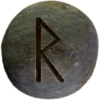
Raido (ᚱ) and Ansuz (ᚨ) often connect symbolically with themes found in Fáfnismál, even though the poem itself does not explicitly assign runes to its narrative elements. Raido (ᚱ) relates to journeys, movement, and the shaping of one’s path, which aligns with Sigurðr’s quest and the transformative encounter with Fáfnir. This rune emphasizes direction and purposeful action, reflecting how the hero approaches both combat and conversation with intent and awareness. The concept of a guided journey resonates strongly within the poem’s structure.
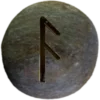
Ansuz (ᚨ) represents communication, wisdom, and the transmission of knowledge, making it particularly relevant to the dialogue between Sigurðr and the dragon. Fáfnir’s words carry insight and warning, while Sigurðr’s questions reveal a desire to understand deeper truths beyond immediate victory. This exchange mirrors the essence of Ansuz (ᚨ), where speech becomes a vehicle for meaning and influence. Together, these runes symbolically reinforce the importance of both action and understanding within the narrative.
Meaning of Fáfnismál for Asatruar
Fáfnismál holds importance for Asatruar because it reflects core values such as courage, wisdom, and respect for the consequences of one’s actions. Practitioners often view the poem as a source of insight into ethical behavior, especially regarding the dangers of greed and the responsibility that accompanies power. The interaction between Sigurðr and Fáfnir provides a model for seeking knowledge even in moments of conflict. This emphasis on learning aligns with broader spiritual and cultural principles.
The poem also reinforces the idea that fate and personal choice intertwine, encouraging thoughtful decision making within the framework of destiny. Asatruar may interpret the narrative as a reminder that actions carry lasting effects, both for individuals and for their communities. The symbolic elements within the story offer opportunities for reflection and personal growth. Through its themes and characters, Fáfnismál continues to inspire engagement with Norse mythological traditions.