Last Updated on April 12, 2026
Table of Contents

Heimdall: Watcher of the Shimmering Bridge
Heimdall, also spelled Heimdallr or Heimdal, pronounced “HAYM-dahl” in English and “HAYM-dahlr” in Old Norse where the final r is lightly rolled, stands as the vigilant guardian of Bifröst Bridge and a key figure among the Aesir. His identity centers on perception, awareness, and unwavering attention, and he maintains a constant watch over the boundary between realms. This role places him in a position of immense responsibility, and it connects him directly to the stability of the wider system.
Heimdall possesses extraordinary senses, and he can hear grass grow and detect movement across vast distances, which allows him to respond to threats before they reach critical points. His eyesight extends across great spans, and it ensures that no approach goes unnoticed under his watch. These abilities define his character, and they reinforce the idea that awareness serves as the first line of protection.
Heimdall also carries the horn Gjallarhorn, pronounced “GYAL-lar-horn,” which he will sound to signal the onset of Ragnarök, marking a moment when vigilance transforms into action. This connection between observation and response highlights the importance of readiness, and it shows how his role extends beyond passive guarding. Heimdall therefore represents both watchfulness and decisive action when circumstances demand it.
Guardian of Bifröst Bridge
His primary responsibility involves guarding Bifröst Bridge, and he ensures that only those with rightful access cross between Asgard and other realms. His position at this crucial point allows him to control movement, and it reinforces the structured nature of connections between worlds. This guardianship maintains order, and it prevents disruption from forces that might seek to exploit the pathway.
He resides in a place called Himinbjörg, pronounced “HIM-in-byorg,” which stands near the bridge and provides a vantage point that supports his constant vigilance. From this location, he observes both the bridge and the surrounding realms, and he maintains awareness of activity across a wide range. This placement reflects the importance of perspective, and it ensures that he remains prepared to act at any moment.
Heimdall’s role does not involve isolation, and he interacts with other figures within the system while maintaining his focus on protection and awareness. His presence contributes to the balance between accessibility and security, and it ensures that connections between realms remain stable. Through his actions, he reinforces the importance of maintaining boundaries while allowing necessary interaction.
Appearances in Old Norse Texts
Heimdall appears in the
Accounts within these sources describe his role in sounding Gjallarhorn, and they show how his actions signal the transition from observation to decisive engagement. The texts also connect him to the structure of the realms, and they place him in a position that influences how movement and interaction occur. These narratives provide insight into his function and his importance within a larger system.
Through these appearances, Heimdall gains depth as a figure who embodies vigilance, responsibility, and preparedness, and his presence continues to shape how people understand the value of awareness. The texts present him as an essential guardian, and they highlight how his role supports the stability of interconnected realms.
Runes Associated with Heimdall
The rune Algiz (ᛉ), pronounced “AL-geez,” connects strongly with protection, awareness, and defense, and it reflects Heimdall’s role as a guardian who maintains constant vigilance over critical boundaries. This rune symbolizes heightened perception and the ability to detect danger, and it aligns with his extraordinary senses. Its meaning emphasizes readiness, and it highlights the importance of maintaining awareness in all situations.
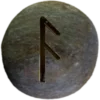
Another rune, Ansuz (ᚨ), pronounced “AHN-sooz,” represents communication, divine insight, and the transmission of knowledge, and it mirrors Heimdall’s role in signaling events through Gjallarhorn. This rune reflects clarity and expression, and it aligns with the moment when observation transforms into action. Together, these runes express protection and communication, and they capture essential aspects of Heimdall’s identity.
Heimdall’s Importance to Asatruar
Heimdall holds significant importance for Asatruar, and he represents the value of vigilance, awareness, and responsibility in maintaining balance within both personal and shared environments. His role encourages individuals to remain attentive to their surroundings, and it promotes a mindset that prioritizes readiness and thoughtful response. This perspective supports a structured approach to navigating challenges and maintaining stability.
The image of Heimdall inspires reflection on the importance of boundaries, and it highlights the need to protect what holds value while still allowing meaningful interaction. His connection to Gjallarhorn reinforces the idea that action must follow awareness, and it encourages individuals to act with clarity and purpose. This understanding fosters resilience, and it supports a balanced approach to engaging with both immediate and broader concerns.