Last Updated on April 23, 2026
Table of Contents
Royal Origins and Mythic Kings of the North
Saga of the Ynglings, also known through alternate spellings such as Ynglinga Saga, Inglings, Englings, and Yngling, preserves a sweeping narrative about legendary rulers and their divine ancestry. This saga traces the lineage of early Scandinavian kings, linking them directly to gods and heroic figures through detailed storytelling. The work forms part of a larger historical and mythological tradition that blends fact, legend, and cultural memory into a unified account. Through its structure, Saga of the Ynglings establishes a foundation for understanding royal identity in the Norse world.
The pronunciation of Ynglings presents a challenge due to its Old Norse roots and unique consonant clusters that differ from modern English patterns. You can pronounce Ynglings as “ING-lings,” where the initial sound resembles the “ing” in “sing” and flows directly into the second syllable. The form Ynglinga Saga, often written with the Old Norse genitive ending, sounds like “ING-ling-ah SAH-gah,” with clear emphasis on each syllable. These pronunciations help preserve the original linguistic character while making the names accessible for modern readers.
The narrative begins with figures connected to divine origins, especially those linked with powerful deities who influence the course of human history. These early sections establish a framework where kings do not rule solely through human authority but also through inherited divine qualities. This connection strengthens their legitimacy and shapes the expectations placed upon them by their followers. Saga of the Ynglings uses this lineage to explain both success and failure among rulers, tying each outcome to broader cosmic forces.
Within the text, rulers experience a range of fates that include triumph, tragedy, and unexpected transformation, which reflects the unpredictable nature of power. The saga does not present kings as flawless figures, since it emphasizes their vulnerabilities alongside their strengths. Through these stories, the narrative explores themes of leadership, responsibility, and the consequences of decision making. Saga of the Ynglings therefore functions as both a historical account and a reflection on human nature within a mythological framework.
Structure and Literary Context
Saga of the Ynglings appears within a larger collection of works that document the history and mythology of Scandinavian rulers across generations. This placement connects it with broader traditions that preserve oral narratives through written form, ensuring that cultural knowledge remains accessible. The saga uses a chronological approach that follows successive rulers, creating a sense of continuity and progression over time. Each section builds upon the previous one, allowing readers to trace the development of leadership and identity.
Many stories within the saga include vivid descriptions of events that shape the destiny of individuals and entire regions. These accounts often highlight the role of fate, where outcomes emerge from a combination of personal choice and external influence. By presenting these elements together, the narrative creates a layered understanding of how events unfold within the mythological world. Saga of the Ynglings uses this approach to maintain tension and engagement throughout its structure.
The work also reflects the influence of earlier poetic traditions that preserved names and events through carefully structured verse. These poetic elements contribute to the rhythm and tone of the narrative, even when presented in prose form. By incorporating these influences, Saga of the Ynglings maintains a connection with older forms of storytelling while adapting to new contexts. This blend of styles enhances its depth and reinforces its role within Norse literary tradition.
Runes Reflecting Lineage and Legacy
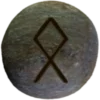
The rune Othila (ᛟ) aligns closely with Saga of the Ynglings because it represents inheritance, ancestral land, and the transmission of identity across generations. This rune reflects the central theme of lineage that defines the saga, where each ruler inherits both power and responsibility from those who came before. Othila (ᛟ) emphasizes the importance of continuity and belonging within a cultural framework. Saga of the Ynglings reinforces this idea by tracing the roots of leadership through time.
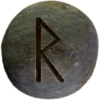
The rune Raido (ᚱ) also connects with Saga of the Ynglings due to its association with journey, movement, and the progression of events along a defined path. This rune symbolizes the unfolding of a narrative where each step leads to the next stage of development. The saga mirrors this concept by guiding readers through a sequence of rulers and experiences that shape the overall story. Together, Raido (ᚱ) and the saga highlight the dynamic nature of history and myth.
Continuing Importance for Asatruar
Saga of the Ynglings holds strong importance for Asatruar who seek to understand how mythological narratives shape concepts of ancestry, leadership, and cultural identity. The saga provides a detailed account of how early societies connected their rulers with divine origins, creating a framework that blends history with spiritual meaning. By studying these stories, practitioners can gain insight into how values and traditions develop over time. This connection allows the saga to serve as both a historical resource and a source of reflection.
Many Asatruar view Saga of the Ynglings as a guide for understanding the responsibilities that accompany leadership and inherited position. The narrative illustrates how actions influence outcomes, encouraging careful consideration of choices and their consequences. This perspective transforms the saga into a practical tool for exploring personal and communal values within a modern context. Saga of the Ynglings continues to influence interpretation and engagement with Norse tradition.