Last Updated on April 23, 2026
Table of Contents

Fylgja as Personal Spirits and Hidden Companions
The fylgja, also spelled fylgia or fulgja, represents a deeply personal spiritual companion within Norse mythological tradition, often linked directly with an individual’s fate and identity. This being does not exist as a separate entity in the ordinary sense, since it reflects aspects of the person it accompanies through life. Many descriptions portray it as appearing in dreams or visions, where it reveals insight into future events or inner qualities. The fylgja becomes both a guide and a mirror that expresses unseen dimensions of human existence.
The pronunciation of fylgja can challenge modern readers due to unfamiliar letter combinations and historical phonetic patterns preserved from Old Norse language. You can pronounce fylgja as “FIL-gyah,” where the first syllable sounds like “fill” and the second carries a soft consonant followed by an open vowel. Some linguistic interpretations render the “gj” cluster as a palatal sound, which creates a subtle blending between consonant and vowel. Alternate spellings such as fylgia and fulgja reflect attempts to capture this sound in different writing systems.
Descriptions often include animal forms that symbolize traits or tendencies associated with the individual it follows throughout life. A person known for courage might possess a fylgja that appears as a strong predator, while someone with a calmer nature might encounter a more gentle creature. These forms do not function as disguises, since they express inherent qualities in a symbolic and visible way. This relationship allows observers within the mythological world to interpret character and destiny through encounters with these beings.
Accounts within Old Norse sagas occasionally mention the appearance of a fylgja before significant events, especially those involving conflict or major life changes. These moments often serve as warnings or confirmations that a turning point approaches, giving it a role in shaping awareness rather than altering outcomes directly. Such references reinforce the idea that fate unfolds through both internal and external signals that individuals must interpret. Through these narratives, the fylgja becomes an essential element in understanding how Norse culture approached destiny and perception.
Forms, Functions, and Cultural Meaning
The fylgja operates within a broader framework of belief that connects human experience with unseen forces that influence thought, emotion, and action. This connection allows it to function as both a protective presence and an indicator of change, depending on the circumstances surrounding its appearance. Unlike independent spirits, the fylgja remains tied to a specific individual, which strengthens its role as a personal extension rather than a separate being. This distinction highlights the importance of identity within Norse mythological understanding.
In some interpretations, the fylgja can appear in human form, especially when representing a guardian figure or ancestral presence linked with a family line. These manifestations often occur during moments of transition, where guidance or reassurance becomes necessary for the individual involved. Such appearances emphasize continuity across generations, suggesting it might carry elements of inherited traits and experiences. This idea deepens the connection between personal identity and collective memory within the mythological framework.
Artistic and literary portrayals frequently depict the fylgja as shifting between forms, which reflects its fluid nature and connection with both physical and spiritual realms. These representations focus on movement and transformation, highlighting the dynamic relationship between the individual and their unseen companion. By presenting the fylgja in this way, creators emphasize its role as an active participant in human experience rather than a static symbol. This approach ensures that the concept remains vivid and adaptable across different interpretations.
Runes Reflecting Spirit and Connection
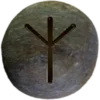
The rune Algiz (ᛉ) aligns closely with the concept of fylgja because it represents protection, awareness, and the connection between individuals and guiding forces. This rune reflects the presence of a protective influence that remains close and responsive to changing circumstances. It embodies this quality by acting as a companion that offers insight and signals potential danger through symbolic appearance. Together, Algiz (ᛉ) and the fylgja emphasize the importance of awareness and connection with unseen aspects of existence.
The rune Mannaz (ᛗ) also connects with the fylgja through its association with human identity, relationships, and the understanding of self within a larger Community. This rune highlights the interplay between individual traits and shared experience, which mirrors its role as a reflection of personal qualities. By linking Mannaz (ᛗ) with the fylgja, the tradition underscores how identity extends beyond physical presence into spiritual expression. This connection reinforces the idea that selfhood includes both visible and invisible dimensions.
Role of Fylgja for Asatruar
The fylgja holds meaningful importance for Asatruar who explore the relationship between personal identity and spiritual presence within Norse mythological tradition. This concept offers a way to interpret inner experiences such as intuition, dreams, and emotional responses through a symbolic framework. By considering it, practitioners can reflect on how unseen influences shape perception and decision making in everyday life. This perspective encourages a deeper awareness of both internal and external connections.
Many Asatruar view the fylgja as a representation of personal guidance that emerges from within rather than from an external authority. Its presence highlights the value of paying attention to subtle signals that reveal underlying truths about one’s path and character. This interpretation transforms the fylgja into a tool for self understanding and growth within a spiritual context. It continues to inspire thoughtful engagement with the complexities of human experience.