
Last Updated on April 21, 2026
Table of Contents
The Wisdom and Voice of Hávamál
Hávamál, sometimes written as Havamal or Hovamol, presents a collection of sayings and poetic teachings attributed to Odin, offering guidance on conduct, wisdom, and survival. You pronounce Hávamál as “HOW-va-mawl,” where the accented “á” carries a broad “ow” sound, and the final syllable flows smoothly. The name itself translates roughly to “Sayings of the High One,” which refers to Odin as a figure of authority and insight. This work delivers practical advice alongside deeper reflections, creating a layered and enduring source of guidance.
The text speaks directly to everyday life, addressing topics such as hospitality, friendship, caution, and the management of reputation. Each stanza offers concise yet meaningful observations, encouraging readers to think carefully about their actions and relationships. These teachings emphasize balance, urging individuals to remain neither reckless nor overly cautious in their decisions. This approach gives the work a practical tone that resonates across time.
Writers present Hávamál as both instruction and reflection, combining direct advice with poetic imagery that invites interpretation. This dual nature allows it to function as a guide while also encouraging deeper thought about the principles it expresses. Its verses often use metaphor and analogy, making the lessons memorable and engaging. The result is a text that continues to influence thought and discussion.
Structure and Themes
Hávamál appears within the Poetic Edda, forming one of its most well known and widely studied sections. This placement connects it with a broader collection of poems that preserve stories, teachings, and perspectives from early tradition. The text itself divides into several thematic sections, each focusing on different aspects of life and knowledge. These sections create a structured yet flexible framework for understanding its content.
Early portions focus on practical wisdom, including advice on travel, social interaction, and personal conduct in unfamiliar situations. These verses stress the importance of awareness, encouraging individuals to observe carefully and act with intention. Later sections shift toward more esoteric themes, including knowledge of runes and the pursuit of deeper understanding. This progression reflects a movement from everyday concerns to more profound insights.
One notable passage describes how Odin gains knowledge of runes through sacrifice and persistence, emphasizing the value of effort and determination. The name Odin includes the “ð,” pronounced like the “th” in “this,” giving “OH-thin.” This account highlights the idea that wisdom requires dedication and often comes at a cost. Such themes reinforce the importance of commitment in the pursuit of knowledge.
Symbolism and Lasting Influence
Hávamál represents the transmission of wisdom across generations, offering guidance that remains relevant through its focus on human behavior and decision making. Its teachings emphasize moderation, foresight, and the careful management of relationships, reflecting values that support stability and growth. This focus gives the text a timeless quality, allowing it to speak to different audiences in meaningful ways. Its influence extends beyond its original context.
Verses often highlight the consequences of action, showing how choices shape outcomes and influence reputation over time. This emphasis encourages accountability, urging individuals to consider both immediate effects and long term impact. The text uses vivid imagery to reinforce these ideas, creating memorable lessons that remain accessible. This approach strengthens its role as a guide for thoughtful living.
Alternate spellings such as Havamal and Hovamol reflect variations in transcription, yet they preserve the identity and sound of the original name. Pronunciation remains consistent despite these differences, ensuring continuity and recognition. The enduring presence of Hávamál highlights its importance as a source of wisdom and reflection. Its teachings continue to engage and inspire those who encounter them.
Runic Associations with Hávamál
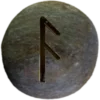
The rune Ansuz (ᚨ) aligns closely with Hávamál because it represents communication, wisdom, and the transmission of knowledge through speech and writing. Its meaning reflects the teachings attributed to Odin, emphasizing the power of words to convey insight and influence understanding. This rune highlights the role of expression in shaping thought and guiding behavior. Its association reinforces the connection between knowledge and communication.
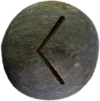
The rune Kenaz (ᚲ) also connects with Hávamál, since it symbolizes illumination, learning, and the uncovering of hidden truths through effort and awareness. Its meaning reflects the progression within the text from practical advice to deeper understanding. This rune emphasizes clarity and the pursuit of insight, aligning with the themes present in the verses. Together, these runes capture the essence of wisdom and discovery.
Importance of Hávamál to Asatruar
Hávamál holds importance for Asatruar because it provides guidance on conduct, decision making, and the development of wisdom within both personal and communal contexts. Its teachings encourage reflection on behavior and the impact of choices, reinforcing values that emphasize balance and responsibility. This perspective supports a thoughtful approach to life that considers both immediate and lasting effects. The text serves as a practical and philosophical resource.
Many Asatruar view Hávamál as a source of insight into how individuals can navigate challenges and build meaningful relationships through awareness and intention. Its verses offer guidance that applies across situations, encouraging adaptability and thoughtful action. This understanding influences how individuals approach daily life and interaction with others. Hávamál continues to provide relevance and inspiration.