Last Updated on April 21, 2026
Table of Contents
The Story and Identity of Rindr
Rindr, also written as Rinda or Rind, appears as a figure connected with powerful lineage and a pivotal role in a story of vengeance and continuation. You pronounce Rindr as “RIN-dur,” where the final “r” carries a soft trailing sound common in Old Norse names. Her name remains simple in structure, yet her role carries deep narrative weight through her connection to divine and giant ancestry. Sources present her as a woman whose fate becomes intertwined with the actions of powerful figures seeking justice and retribution.
Accounts describe Rindr as the mother of Váli, a son born to avenge the death of Baldr, which places her at the center of a significant chain of events. The name Váli includes the accented “á,” pronounced as “VAW-lee,” where the vowel carries a broad and open tone. Her involvement in this narrative highlights themes of inevitability and the use of lineage to achieve specific outcomes. This role gives her importance beyond her own actions, since her child fulfills a purpose that shapes events.
Stories portray her interactions with Odin as complex and often unsettling, since he seeks her out to ensure the birth of a son who will carry out vengeance. The name Odin includes the “ð,” pronounced like the “th” in “this,” giving “OH-thin.” These encounters emphasize determination and the lengths taken to secure a desired outcome. Her position within this narrative reflects both agency and the influence of external forces.
Accounts and Narrative Role
The Gesta Danorum by Saxo Grammaticus provides one of the most detailed accounts of Rindr, presenting her story within a broader historical and legendary framework. This work describes how Odin approaches her in various disguises and methods, attempting to win her favor and achieve his goal. The narrative includes elements of persistence, deception, and eventual success, which contribute to its complexity. These details create a portrayal that invites reflection on intention and consequence.
Other references appear in poetic sources that mention the birth of Váli and his rapid growth, emphasizing the urgency and purpose tied to his existence. These accounts highlight the direct connection between Rindr and the fulfillment of vengeance, reinforcing her importance within the sequence of events. Her role remains focused and specific, yet it carries significant impact. This focus ensures that her presence remains memorable.
Alternate spellings such as Rinda and Rind reflect variations across texts and translations, while maintaining the identity of the figure. These differences arise from linguistic adaptation and the transmission of stories through different regions and periods. Despite these variations, the core narrative remains consistent and recognizable. This consistency preserves her place within the tradition.
Symbolism and Interpretation
Rindr represents the concept of necessary continuation, where lineage serves as a means to achieve a defined outcome within a larger narrative. Her role emphasizes how individuals can become part of broader processes that extend beyond personal intention or desire. This symbolism highlights the interconnected nature of events and the influence of ancestry. Her story illustrates how purpose can shape identity and action.
Writers often focus on the tension within her story, since it involves themes of pursuit, resistance, and eventual fulfillment of a predetermined goal. This tension adds depth to her character and invites consideration of the ethical dimensions within the narrative. Her experience reflects the complexity of interactions between powerful figures and those they seek to influence. Such elements contribute to a layered and thought provoking portrayal.
Pronunciation and spelling variations, including Rinda, maintain the recognizable sound and structure of her name across different contexts. These forms ensure continuity while allowing adaptation to different linguistic systems. The enduring presence of Rindr within these stories highlights her importance and relevance. Her narrative continues to engage audiences through its combination of personal and larger themes.
Runic Associations with Rindr
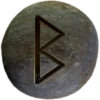
The rune Berkanan (ᛒ) aligns with Rindr because it represents birth, growth, and the nurturing aspect of creation within a structured lineage. Its meaning reflects her role as the mother of Váli, whose birth fulfills a specific and significant purpose. This rune emphasizes renewal and the continuation of life through generations, aligning with the central theme of her story. Its association highlights the importance of creation within a broader narrative.
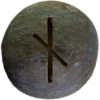
The rune Nauthiz (ᚾ) also connects with Rindr, since it symbolizes necessity, constraint, and the pressure that drives action toward a required outcome. Its meaning reflects the circumstances surrounding her story, where events unfold under a sense of urgency and inevitability. This rune emphasizes the role of need in shaping decisions and actions, aligning with the motivations present in her narrative. Together, these runes capture the balance between creation and necessity.
Importance of Rindr to Asatruar
Rindr holds importance for Asatruar because her story highlights the role of lineage and the impact of birth in shaping future events and responsibilities. Her narrative encourages reflection on how individuals contribute to ongoing cycles that extend beyond personal experience. This perspective reinforces values that emphasize awareness of connection and the influence of ancestry. Her role provides a meaningful example of these ideas in action.
Many Asatruar view Rindr as a symbol of necessity and continuation, reflecting the importance of fulfilling roles that contribute to balance and resolution. Her story emphasizes that certain outcomes require participation and acceptance of responsibility, even when circumstances prove challenging. This understanding influences how individuals approach their own roles within a Community. Rindr continues to hold significance and meaning.