Last Updated on April 22, 2026
Table of Contents
The Role and Structure of the Asatru Folk Assembly
The Asatru Folk Assembly, pronounced “AH-sah-troo folk uh-SEM-blee,” stands as a prominent organization within modern Germanic pagan practice, where it provides structure for ritual, Community, and shared identity. Many people shorten the name to AFA, while some variations include Asatru Folk Assembly, pronounced “OW-sah-troo,” which preserves the diacritical “Á” found in Old Norse usage. The organization emphasizes continuity with historical traditions while shaping a contemporary framework for worship and communal activity.
Founded by Stephen McNallen, the Asatru Folk Assembly developed from earlier efforts that sought to organize practitioners into a cohesive network with shared values and practices. Its formation reflects a desire to create a stable structure where individuals can participate in seasonal rites, gatherings, and educational efforts. The organization promotes a sense of belonging and continuity among its members.
The Asatru Folk Assembly organizes its activities around kindreds and folk groups, which function as smaller community units that gather for rituals and social events. These groups often meet during seasonal celebrations such as Yule and Midsummer, where participants honor cycles of nature and shared heritage. This structure allows members to engage both locally and within a broader organizational framework.
Beliefs, Practices, and Community Life
The Asatru Folk Assembly promotes a system of beliefs that centers on honoring deities, ancestors, and land spirits through ritual practice and community interaction. Members often participate in blóts and sumbels, which involve offerings and shared toasts that strengthen bonds among participants. These rituals create a sense of continuity and reinforce the importance of collective experience within the organization.
Educational efforts play a significant role, as the organization provides resources that explain traditions, mythology, and ritual structure to both new and experienced members. Leaders and organizers encourage individuals to study historical sources while adapting practices to modern life, ensuring that knowledge remains accessible and relevant. This focus on learning supports both personal growth and communal cohesion.
Public gatherings, festivals, and regional events allow members to connect beyond their local groups, fostering relationships across broader networks. These events often include workshops, ceremonies, and discussions that deepen understanding and strengthen shared identity. Through these activities, the Asatru Folk Assembly maintains an active and engaged membership.
Public Presence and Ongoing Discussion
The Asatru Folk Assembly maintains a visible presence through online platforms, publications, and public statements that communicate its values and perspectives. This visibility allows the organization to reach a wider audience and attract individuals interested in exploring its approach to tradition and spirituality. At the same time, public engagement invites scrutiny and discussion from both supporters and critics.
Debate surrounding the organization often focuses on its interpretations of identity, heritage, and inclusion, which generate a range of responses within the broader community. Some individuals align with its perspectives, while others advocate for different approaches that emphasize inclusivity and diversity. These discussions contribute to an evolving landscape where multiple viewpoints shape the direction of modern practice.
Despite differing opinions, the Asatru Folk Assembly continues to operate as a structured and organized body that influences how many practitioners engage with their beliefs. Its events, publications, and leadership maintain a steady presence, ensuring ongoing participation and dialogue. This continued activity reinforces its role as a significant organization within the modern landscape.
Runes Reflecting the Asatru Folk Assembly
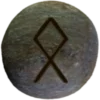
The rune Othila (ᛟ) represents heritage, inheritance, and connection to ancestral roots, which aligns with the organization’s emphasis on continuity and cultural identity. This rune highlights the importance of preserving tradition while maintaining a sense of belonging within a defined community. Othila (ᛟ) reflects the foundational values that guide the Asatru Folk Assembly’s approach.
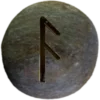
Ansuz (ᚨ) symbolizes communication, inspiration, and the sharing of knowledge, which corresponds to the organization’s focus on education and the transmission of belief systems. Through publications, gatherings, and discussions, members exchange ideas and strengthen their understanding of tradition. Together, Othila (ᛟ) and Ansuz (ᚨ) express the balance between heritage and communication that shapes the organization’s influence.
The Importance of the Asatru Folk Assembly to Asatruar
The Asatru Folk Assembly holds importance for many Asatruar because it provides an organized structure that supports ritual practice, education, and community building. Its presence allows individuals to connect with others who share similar beliefs, creating opportunities for collaboration and shared experience. This structure helps sustain engagement and participation across different regions.
At the same time, the organization contributes to ongoing discussions about identity and interpretation, encouraging practitioners to consider their own perspectives and values. Some individuals find alignment with its approach, while others engage critically with its ideas, which fosters a dynamic and evolving environment. Through both support and debate, the Asatru Folk Assembly continues to shape how Asatruar understand and practice their traditions.