Last Updated on April 23, 2026
Table of Contents
The Mythic Vessels of Són Boðn and Óðrerir
Són Boðn and Óðrerir, sometimes written as Son Bodn and Odrerir or Són, Boðn, and Óðrørir, represent three legendary containers associated with the Mead of Poetry in Norse mythology. The names include several Old Norse characters, where Óðrerir pronounces roughly as OH-threh-reer, with the letter ð sounding like the “th” in “this,” and the accented ó sounding like “oh.” Són sounds like “soan,” while Boðn becomes BODN with a soft “th” tone for the ð, making it distinctive in spoken form. These vessels hold deep symbolic meaning connected to inspiration, knowledge, and transformation.
Mythological accounts describe these containers as holding the Mead of Poetry, a substance created from the blood of the wise being Kvasir. The Dwarves Fjalar and Galar crafted this mead after killing Kvasir, preserving his knowledge within a liquid form that granted poetic skill and wisdom to those who drank it. Són and Boðn served as vats, while Óðrerir functioned as a kettle or central vessel, emphasizing a division of roles among the containers. This structure reflects both practicality and symbolic layering within the narrative.
The story involving Són Boðn and Óðrerir appears in the Prose Edda, particularly in Skáldskaparmál, where the origins of poetic inspiration receive detailed explanation. This text describes how the mead passed through various hands, including the giant Suttungr, who guarded it within a mountain. The vessels themselves became central to the narrative, representing both the containment and control of knowledge. Their presence shapes the unfolding events and highlights the value placed on wisdom.
Each container contributes to the overall symbolism of the myth, as they collectively hold a substance that embodies creativity and intellectual power. The division into multiple vessels suggests that knowledge can exist in different forms or stages, requiring effort to access and understand. This idea resonates with the broader themes of Norse mythology, where gaining wisdom often involves challenge and transformation. Through their roles, these vessels gain significance beyond their physical function.
The Mead of Poetry and Its Guardians
The narrative surrounding Són Boðn and Óðrerir emphasizes the journey of the Mead of Poetry as it moves from one guardian to another. After the dwarves created the mead, the giant Suttungr acquired it and concealed it within a mountain, placing his daughter Gunnlöð in charge of its protection. This setting establishes a guarded environment where access to knowledge becomes restricted and controlled. The vessels remain central within this hidden space, holding the coveted substance securely.
Odin later seeks the mead, using cunning and transformation to gain entry into the mountain and approach Gunnlöð. He persuades her to allow him to drink from the vessels, consuming the contents of Són, Boðn, and Óðrerir over several nights. This act demonstrates not only his desire for knowledge but also his willingness to employ strategy and persistence to achieve his goal. The vessels serve as the medium through which this transfer of wisdom occurs.
The act of drinking from each container carries symbolic weight, as it represents the absorption of different aspects of knowledge and inspiration. Odin’s ability to consume the entire supply highlights his exceptional nature and reinforces his association with wisdom and poetry. After obtaining the mead, he transforms into an eagle and escapes, carrying the substance back to the gods. This dramatic sequence underscores the importance of the vessels within the narrative.
Skáldskaparmál provides detailed descriptions of these events, offering insight into how Norse audiences understood the origins of poetic ability. The text presents the vessels not merely as objects but as integral components of a larger mythological system. Through this account, Són Boðn and Óðrerir gain enduring significance as symbols of creativity and intellectual pursuit. Their story continues to influence interpretations of Norse mythology.
Symbolism and Cultural Meaning
Són Boðn and Óðrerir symbolize the containment and distribution of knowledge, reflecting the idea that wisdom requires both preservation and transmission. Each vessel contributes to this process, representing different stages or aspects of understanding that must be accessed and integrated. This layered symbolism aligns with the broader themes of Norse mythology, where knowledge often comes with effort and responsibility. The vessels embody the complexity of acquiring and using insight.
The association with the Mead of Poetry connects these containers to artistic expression and the creation of meaningful works. Poets and storytellers draw inspiration from this myth, viewing the vessels as sources of creativity that transcend ordinary experience. The imagery of drinking from these containers reinforces the idea that inspiration enters the individual and transforms perception. This connection between physical action and intellectual change adds depth to the narrative.
Alternate spellings such as Son, Bodn, and Odrerir or Són, Boðn, and Óðrørir reflect variations in translation and linguistic adaptation across different sources. Despite these differences, the core identities of the vessels remain consistent, preserving their roles within the myth. Pronunciation guides help readers approach the original Old Norse terms with greater accuracy, maintaining a connection to their linguistic roots. This attention to detail enhances engagement with the material.
The enduring influence of Són Boðn and Óðrerir extends into modern interpretations of Norse mythology, where they continue to symbolize the pursuit of knowledge and creative inspiration. Their story encourages reflection on how wisdom is acquired, shared, and transformed within cultural contexts. Through their association with the Mead of Poetry, these vessels remain powerful representations of intellectual and artistic potential. This lasting relevance secures their place within the tradition.
Runic Connections to Són Boðn and Óðrerir
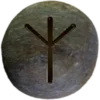
Ansuz (ᚨ) and Kenaz (ᚲ) provide meaningful symbolic associations with Són Boðn and Óðrerir, reflecting the themes of knowledge and creative inspiration found within their myth. Ansuz (ᚨ) relates to communication, wisdom, and the transmission of ideas, aligning closely with the role of the Mead of Poetry as a source of eloquence and understanding. This rune emphasizes the power of language and expression, which the vessels help to contain and deliver. It highlights the importance of sharing insight.
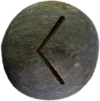
Kenaz (ᚲ) represents illumination, creativity, and the spark of understanding that drives artistic expression and intellectual discovery. The act of drinking from the vessels symbolizes the awakening of this inner light, allowing individuals to access deeper levels of perception. This rune underscores the transformative nature of knowledge, reinforcing the idea that inspiration can reshape thought and action. Together, these runes capture the essence of the vessels’ symbolic role.
Significance of Són Boðn and Óðrerir for Asatruar
Són Boðn and Óðrerir hold importance for Asatruar because they represent the preservation and sharing of wisdom within a cultural and spiritual framework. Practitioners often view these vessels as symbols of inspiration and the pursuit of knowledge, reflecting values that emphasize learning and creativity. The story of the Mead of Poetry encourages thoughtful engagement with language and expression. This perspective aligns with broader traditions that value insight and communication.
The narrative also highlights the responsibility that accompanies access to knowledge, as the mead carries both power and consequence. Individuals may interpret this aspect as a reminder to use wisdom with care and intention. The symbolic presence of the vessels reinforces the idea that knowledge requires respect and thoughtful application. Through their enduring meaning, Són Boðn and Óðrerir continue to inspire reflection and engagement.