Last Updated on April 25, 2026
Table of Contents
Máni: The Lunar Guide and Keeper of Time
Máni stands as the divine figure who guides the moon across the night sky, shaping the rhythm of time and illuminating darkness with a steady, watchful presence. His name appears in several forms, including Mani and Máni, with the accented á pronounced like the a in father, giving the full pronunciation as MAH-nee. This name reflects a deep connection to cycles, as the moon marks passing nights and changing phases that influence both nature and human activity.
Stories describe Máni as the brother of Sól, the sun goddess, forming a celestial pair whose movements define day and night. A fearsome wolf named Hati chases him across the sky, creating a sense of urgency and motion that keeps the heavens in constant movement. This pursuit does not weaken his role, as he continues guiding the moon despite the threat, reinforcing the idea that cosmic order persists through struggle and tension.
Máni also carries two children, Hjuki and Bil, whom he took from the earth while they drew water from a well. Their presence beside him in the night sky adds a human element to his journey, connecting earthly life with celestial patterns. Observers often interpret their story as an explanation for markings on the moon, blending narrative with visible features in the sky.
Writers include Máni in poetic and narrative sources such as the Poetic Edda and Prose Edda, where his role appears clearly defined within the structure of the heavens. These texts describe his motion, his pursuer, and his connection to the measurement of time, offering valuable insight into how people understood the night sky. His presence in these works ensures that his story continues to influence modern interpretations and retellings.
Celestial Motion and Symbolic Meaning
Máni’s journey across the sky represents more than simple movement, as it reflects a structured pattern that governs tides, agriculture, and ritual observances. Each phase of the moon marks a shift in energy and visibility, creating a cycle that people can track and anticipate with remarkable precision. This regularity gives him a role as a timekeeper whose path shapes both practical and spiritual awareness.
His relationship with darkness carries meaning beyond the absence of light, as it allows hidden things to emerge and encourages reflection during quieter hours. Night offers a different kind of clarity, where subtle details replace the bold illumination of day, and Máni presides over this transformation. He becomes associated with introspection, dreams, and the unseen forces that influence thought and emotion.
The constant chase by Hati adds tension to Máni’s existence, ensuring that his movement never slows or stops. This dynamic introduces the idea that order requires effort and persistence, rather than existing as a static condition. His endurance in the face of pursuit reinforces a sense of resilience that resonates across generations.
Alternate spellings such as Mani appear in modern adaptations, though Máni remains closest to the Old Norse form and retains its original pronunciation and cultural nuance. The presence of the accented á preserves a distinct phonetic quality that connects modern readers with older linguistic traditions. Through these variations, Máni continues to maintain relevance while adapting to changing language and interpretation.
Enduring Influence and Cultural Presence
Máni’s influence extends into contemporary storytelling, art, and symbolic systems that draw inspiration from ancient narratives and celestial observation. His image as a steady guide through darkness resonates with those who seek meaning in cycles and natural rhythms. Artists and writers often portray him as calm yet determined, emphasizing balance rather than dominance.
The lunar cycle continues to shape calendars, festivals, and personal reflection, keeping his presence active within daily life even when his name remains unspoken. People observe the moon’s phases for practical purposes such as planting and navigation, reinforcing his enduring role as a guide. This connection between sky and earth ensures that his significance does not fade with time.
Modern interpretations highlight Máni’s quiet strength and reliability, presenting him as a figure who maintains order without demanding attention. His journey across the night sky offers a consistent reminder that cycles continue regardless of human concerns. Máni remains an essential part of a living tradition that values both stability and change.
Runes Connected to Máni and Lunar Influence
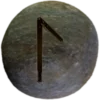
The Elder Futhark rune Laguz (ᛚ) aligns closely with Máni due to its association with water, intuition, and flowing cycles that mirror the waxing and waning of the moon. This rune represents movement beneath the surface, encouraging awareness of emotional depth and unseen currents that guide behavior and perception. Its connection with tides strengthens its link to lunar influence, reinforcing Máni’s role in shaping natural rhythms.
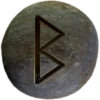
Berkanan (ᛒ) also connects with Máni through themes of renewal, growth, and cyclical transformation that reflect the repeating phases of the moon. This rune emphasizes beginnings and nurturing energy, aligning with the quiet, consistent presence that Máni provides during the night. Together, Laguz (ᛚ) and Berkanan (ᛒ) form a symbolic pairing that highlights both inner change and outward renewal guided by lunar cycles.
Máni’s Importance to Asatruar
Máni holds deep importance for Asatruar because his steady movement across the night sky provides a clear example of rhythm, balance, and continuity within the natural world. His role as a timekeeper helps practitioners align rituals and personal practices with lunar phases, creating a structured approach to spiritual observance. This connection strengthens awareness of cycles that influence both environment and inner life.
His presence encourages reflection during nighttime hours, when quieter surroundings allow deeper thought and connection with unseen forces. Asatruar often view this period as an opportunity for contemplation, guided by the consistent light that he provides. He supports practices that emphasize awareness, patience, and respect for recurring patterns.
Máni also represents endurance, as he continues his journey despite constant pursuit, reinforcing values of persistence and dedication. His example inspires individuals to maintain their path even when challenges arise, reflecting a broader commitment to living in harmony with Natural Cycles.