Last Updated on April 24, 2026
Table of Contents
The Celestial Journey of Árvakr and Alsviðr
Árvakr and Alsviðr pronounced OWR-vah-ker and AHL-swith-er stand as the radiant horses who pull the sun across the sky in Norse mythology, embodying motion, light, and the relentless passage of time. Alternate spellings include Arvakr, Alsvidr, and Alsvid, while the letter ð in Alsviðr carries a soft th sound similar to the word this. Their names carry meaning, since Árvakr suggests early awake while Alsviðr conveys all swift, reflecting their tireless movement across the heavens.
These divine horses draw the chariot of the sun goddess Sól pronounced SOHL, guiding her through the sky each day as she brings light to the world of humans and gods alike. Their journey does not unfold without danger, since the wolf Sköll pronounced SKOHL constantly pursues Sól in an attempt to devour her and plunge the world into darkness. This eternal chase adds urgency to their movement and emphasizes the fragile balance that sustains light within the cosmos.
Árvakr and Alsviðr possess extraordinary endurance and resilience, since they must maintain a steady pace despite the intense heat generated by the sun they carry. The gods placed bellows beneath their shoulders to cool them, ensuring that they could continue their journey without faltering under such immense strain. This detail highlights both the practical and symbolic aspects of their role, since it combines physical necessity with mythic imagination.
Their Role in Cosmic Order and Daily Rhythm
Each day, Árvakr and Alsviðr begin their journey at dawn, pulling the sun’s chariot across the sky and marking the progression of time for all living beings. Their movement establishes the rhythm of day and night, which shapes human activity, agricultural cycles, and the perception of time within the Norse worldview. This consistent motion reinforces their importance as agents of order within a universe that often teeters on chaos.
Their presence also reflects a broader pattern within Norse mythology, where powerful creatures sustain essential cosmic functions through continuous effort and resilience. Árvakr and Alsviðr do not act with independence from Sól, yet their strength and reliability enable her to fulfill her role as the bringer of light. This partnership demonstrates how cooperation between divine figures and their companions ensures stability within the mythic structure.
The chase by Sköll introduces tension into their journey, since it reminds listeners that even the most consistent patterns face threats from destructive forces. This pursuit foreshadows the events of Ragnarök pronounced RAG-nah-rok, when the wolf will finally catch the sun and disrupt the established order. Árvakr and Alsviðr become symbols of persistence in the face of inevitable change.
Sources and Symbolic Interpretation
Árvakr and Alsviðr appear in the Poetic Edda pronounced poh-EH-tik ED-da, where verses describe their role in drawing the sun and sustaining the cycle of light across the sky. These accounts provide insight into how Norse poets understood celestial movement and expressed it through vivid imagery and personification. The descriptions emphasize both their strength and their essential place within the cosmic system.
Their story reflects a worldview that connects natural phenomena with living forces, transforming the movement of the sun into a dynamic and purposeful journey driven by powerful beings. Árvakr and Alsviðr represent the reliability of Natural Cycles while also acknowledging the ever-present threat of disruption. This balance between stability and danger shapes much of Norse mythological thought.
Through their daily journey, Árvakr and Alsviðr illustrate how consistent effort sustains the world and ensures the continuation of life despite looming challenges. Their role connects physical endurance with cosmic significance, creating a powerful image of motion that resonates through myth and interpretation. This enduring symbolism reinforces their place as essential figures within Norse tradition.
Runes Associated with Árvakr and Alsviðr
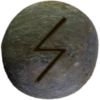
The rune Sowilō (ᛊ or ᛋ) pronounced SOH-wee-lo aligns strongly with Árvakr and Alsviðr because it represents the sun, success, and the guiding light that sustains life and direction. This rune reflects the energy and brilliance carried by the horses as they pull the sun across the sky each day. Their constant motion embodies the vitality and clarity that Sowilō (ᛊ or ᛋ) symbolizes within the Elder Futhark system.
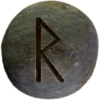
The rune Raido (ᚱ) pronounced RYE-thoh connects with Árvakr and Alsviðr through its association with travel, rhythm, and the structured movement that defines journeys across both physical and spiritual landscapes. This rune captures the steady progression of the sun’s path, which the horses maintain through disciplined effort and coordination. Together, these runes highlight the interplay between light and motion that defines their mythological role.
The Importance of Árvakr and Alsviðr to Asatruar
Árvakr and Alsviðr hold meaning for Asatruar as symbols of consistency, endurance, and the natural cycles that govern daily life and spiritual awareness. Their journey across the sky reflects the importance of maintaining balance and honoring the rhythms that shape existence. This perspective encourages individuals to recognize the value of steady effort and reliable action.
Their role in carrying the sun also represents the idea that even the most powerful forces rely on cooperation and sustained work to fulfill their purpose. Many Asatruar interpret their story as a reminder that progress depends on dedication and alignment with natural patterns. Árvakr and Alsviðr embody both motion and stability within a constantly changing world.