Last Updated on April 23, 2026
Table of Contents

Grani the Legendary Steed of Heroic Tradition
Grani, sometimes written as Grane in later Germanic adaptations, stands as one of the most renowned horses within Norse mythological narratives, closely associated with the hero Sigurðr. The name appears in Old Norse as Grani, pronounced GRAH-nee, with a broad opening vowel and a smooth ending that reflects the language’s natural rhythm. This horse carries a lineage tied to divine origins, which reinforces his status as far more than a mere animal companion.
Grani descends from Sleipnir, the eight-legged horse of Odin, which places him within a powerful mythological lineage connected to speed, endurance, and supernatural ability. This ancestry suggests that he inherited exceptional qualities that allowed him to perform feats beyond ordinary horses. His presence within the narrative elevates the hero’s journey, emphasizing the importance of partnership between rider and steed.
Alternate spellings such as Grane appear in continental traditions, particularly within Germanic retellings like the Nibelungenlied, where the character retains similar attributes. Despite variations in language and storytelling style, the core identity of Grani remains consistent across sources. This continuity highlights the enduring significance of the figure within the broader mythological tradition.
Role in the Volsung Narrative
Grani plays a central role in the Volsunga saga, where Sigurðr acquires him through guidance from a mysterious figure who later reveals himself as Odin in disguise. The selection process involves leading the horse into a river, where only he proves willing to stand firm against the current, demonstrating strength and courage. This moment establishes the horse as uniquely suited to accompany a hero destined for greatness.
Throughout the saga, Grani serves as a reliable and powerful companion, carrying Sigurðr through significant events including the slaying of the dragon Fafnir. His ability to bear the immense weight of treasure taken from the dragon further emphasizes his extraordinary strength. These actions reinforce the idea that he participates actively in the heroic journey rather than serving as a passive presence.
The narrative portrays a strong bond between horse and rider, where trust and mutual capability define their relationship. This connection reflects a broader cultural appreciation for horses as vital partners in both travel and warfare. Grani embodies these values while also extending them into the realm of myth through his divine heritage.
Symbolism and Enduring Meaning
Grani symbolizes strength, loyalty, and the ability to carry burdens that would overwhelm lesser beings, which aligns with the challenges faced by heroic figures. His connection to Sleipnir reinforces the idea of continuity between divine and mortal realms, bridging different levels of existence through shared attributes. This symbolic role enhances his importance within the narrative structure.
The horse also represents the journey itself, where movement and progress define the path toward achievement and transformation. Grani’s presence ensures that Sigurðr can pursue his destiny, highlighting the importance of support and partnership in reaching significant goals. This perspective adds depth to the interpretation of the story, emphasizing collaboration rather than isolated effort.
Modern interpretations often view Grani as a symbol of resilience and dependable strength, qualities that resonate across different cultural contexts. Artists and writers continue to depict him as both majestic and formidable, capturing the essence of his mythological role. Through these representations, he maintains a lasting presence that extends beyond the original narratives.
Runic Associations with Grani
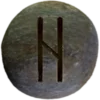
The rune Ehwaz (ᛖ) aligns strongly with Grani because it represents partnership, trust, and the bond between horse and rider that enables movement and progress. This rune reflects cooperation and mutual reliance, which define the relationship between him and Sigurðr throughout their shared journey. Ehwaz (ᛖ) emphasizes harmony in action, reinforcing the idea that success often depends on strong and reliable connections.
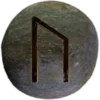
Another rune that complements Grani is Ūruz (ᚢ), which symbolizes raw strength, endurance, and the physical power necessary to overcome significant challenges. This rune resonates with the horse’s ability to carry immense weight and traverse difficult terrain without faltering. Ūruz (ᚢ) highlights vitality and resilience, qualities that align closely with Grani’s role as a powerful and dependable companion.
Grani and His Meaning to Asatruar
Grani holds meaning for Asatruar because he represents the importance of trust and partnership in achieving meaningful goals. His relationship with Sigurðr demonstrates how cooperation and mutual strength create opportunities for success that individuals could not achieve alone. This perspective encourages reflection on the value of reliable connections within both personal and communal contexts.
His symbolic association with endurance and resilience also provides insight into how challenges can be met with steady determination. Practitioners may draw inspiration from his ability to carry burdens and continue forward despite difficulty. This interpretation reinforces a worldview that values persistence and strength in the face of adversity.
Many view Grani as a reminder that progress depends on both inner capability and external support, highlighting the interconnected nature of achievement. His enduring presence within mythological tradition offers a model for navigating life with confidence and cooperation. Grani remains a meaningful and influential figure within spiritual reflection.