
Last Updated on April 23, 2026
Table of Contents
Völsunga Saga and the Epic of the Völsung Line
Völsunga Saga, sometimes written as Volsunga Saga or Vǫlsunga saga in normalized Old Norse spelling, stands as one of the most influential narratives within Norse literary tradition. The name includes the letter ö, pronounced like the vowel in “bird,” giving an approximate pronunciation of VURL-soon-ga SAH-ga when spoken with careful emphasis. This title refers to the lineage of the Völsungs, a family marked by heroism, tragedy, and a deep connection to fate.
The saga traces generations of the Völsung family, beginning with their divine ancestry and extending through cycles of conflict, love, betrayal, and vengeance. Central figures such as Sigurðr, whose name sounds like SEE-goor-thur with the letter ð pronounced like the th in “this,” shape the narrative through decisive actions and enduring legacy. Through these characters, the saga explores how individual choices ripple across time and influence entire bloodlines.
Alternate spellings preserve the same structure while adapting to different linguistic systems, yet Völsunga Saga remains closest to the original Icelandic form. This consistency highlights the importance of language in preserving cultural nuance and historical depth. The saga’s enduring presence reflects its role as both a literary achievement and a cultural touchstone.
Key Events and Narrative Arc
The story begins with the establishment of the Völsung lineage and quickly introduces themes of destiny and divine involvement that guide the family’s fate. Early episodes include the legendary sword embedded in a tree, which only a chosen hero can draw, signaling the presence of supernatural selection. This motif sets the stage for later events that continue to intertwine human action with forces beyond direct control.
Sigurðr’s journey forms the central portion of the saga, including his slaying of the dragon Fafnir and his acquisition of a cursed treasure. These events highlight both triumph and consequence, as success brings not only wealth but also the seeds of future conflict. His interactions with figures such as Brynhildr add emotional depth and complexity to the narrative.
The latter part of the saga focuses on betrayal, shifting alliances, and the eventual downfall of key characters, which underscores the tragic dimension of the story. These developments reveal how ambition, love, and rivalry can intertwine to produce irreversible outcomes. The narrative maintains a consistent emphasis on cause and effect, showing how each decision contributes to the unfolding of fate.
Literary Context and Cultural Influence
Völsunga Saga draws upon earlier poetic material, particularly from the Poetic Edda, where several of its episodes appear in verse form. These poems provide foundational elements that the saga expands into a continuous prose narrative, creating a cohesive and detailed account. This relationship between poetic and prose traditions demonstrates the adaptability of Norse storytelling.
The saga’s themes influenced later works across Europe, including Germanic adaptations that reinterpret its characters and events within new cultural frameworks. This widespread impact highlights the universal appeal of its themes, which include heroism, love, betrayal, and the tension between free will and destiny. Its narrative structure offers a model for epic storytelling that resonates beyond its original context.
Modern readers often approach Völsunga Saga as both a historical artifact and a timeless exploration of human experience. Its characters embody qualities that remain relevant, allowing the story to speak across centuries. The saga continues to inspire analysis, adaptation, and creative reinterpretation.
Runic Associations with Völsunga Saga
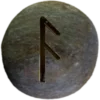
The rune Ansuz (ᚨ) aligns with Völsunga Saga through its connection with communication, wisdom, and the transmission of knowledge across generations. This rune reflects the role of storytelling itself, where narratives preserve cultural values and convey insight through language. Ansuz (ᚨ) emphasizes the power of words, which resonates strongly with the saga’s enduring influence as a literary work.
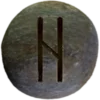
Another rune that complements the saga is Hagalaz (ᚺ), which represents disruption, transformation, and the forces that reshape lives through sudden change. This rune mirrors the dramatic events within the narrative, where characters face unexpected challenges that alter their paths. Hagalaz (ᚺ) highlights the inevitability of change, reinforcing the saga’s exploration of fate and consequence.
Völsunga Saga and Its Meaning to Asatruar
Völsunga Saga holds deep importance for Asatruar because it provides a rich narrative framework that illustrates core values such as honor, courage, and responsibility. The story encourages reflection on how actions influence both personal destiny and the well being of others within a Community. Through its characters, it offers examples of both admirable conduct and cautionary outcomes.
Its emphasis on lineage and legacy supports a worldview that values continuity and connection with the past. Practitioners may draw inspiration from the saga’s portrayal of resilience and determination in the face of adversity. This perspective reinforces the importance of maintaining integrity while navigating complex circumstances.
Many view the saga as a bridge between ancient tradition and modern understanding, allowing timeless themes to inform contemporary life. Its enduring relevance demonstrates the power of narrative to shape identity and guide reflection. Völsunga Saga remains a central and meaningful element within spiritual and cultural exploration.