Last Updated on April 17, 2026
Table of Contents

Gerðr and the Power of Earth and Union
Gerðr, also written as Gerd or Gerthr, stands as a figure associated with fertile land, beauty, and powerful union within Old Norse tradition. The name Gerðr includes the letter ð, called eth and pronounced like the th in this, so the full pronunciation sounds like gerth-r with a soft voiced consonant. This name carries a sense of grounded presence, reflecting a connection to land, growth, and cycles that shape both nature and human experience.
Descriptions of Gerðr emphasize her striking appearance and strong will, qualities that define her role in narratives where desire, negotiation, and transformation take center stage. Her presence introduces tension that resolves through interaction, creating moments where characters must confront longing and commitment. This dynamic reveals how relationships reflect broader patterns of change and continuity.
Alternate spellings such as Gerd and Gerthr appear in various translations and adaptations, yet the original form preserves the distinct sound that shapes its identity. Speaking gerth-r aloud highlights the firm consonant ending and the voiced middle sound, which give the name a balanced and grounded tone. This auditory quality supports her association with stability and depth.
Role in Mythic Narratives
Gerðr appears prominently in the Poetic Edda, especially in the poem Skírnismál, where her interaction with Freyr drives the central narrative. In this account, Freyr becomes deeply captivated by Gerðr and sends his servant Skírnir to seek her agreement to meet him. The exchange unfolds through dialogue that combines persuasion, gifts, and firm insistence, which creates a layered portrayal of desire and negotiation.
Skírnismál presents Gerðr as a figure who does not yield immediately, which highlights her autonomy and the seriousness of the union being proposed. Her eventual agreement comes after a sequence of escalating offers and pressures, which reveals the complexity of relationships within these narratives. This portrayal adds depth to her character and emphasizes her role as an active participant rather than a passive figure.
The story also reflects broader themes of connection between different realms, since Gerðr belongs to a lineage associated with giants while Freyr belongs to a divine lineage. Their union symbolizes interaction across boundaries, which creates a sense of balance and integration within the narrative framework. This theme reinforces the importance of relationships that bridge differences.
Symbolism and Interpretation
Gerðr represents fertile land and the promise of growth, which aligns with her association with beauty and the natural world. Her connection to earth emphasizes cycles of renewal and the transformation that occurs through interaction between different forces. This symbolism gives her a central role in narratives that explore balance and continuity.
Her relationship with Freyr often receives interpretation as a reflection of agricultural cycles, where union leads to prosperity and abundance. This connection links personal relationships with larger patterns that influence survival and well being, which adds practical significance to the narrative. Such interpretations highlight how storytelling conveys layered meaning through symbolic characters.
Pronunciation continues to shape understanding of her name, since the voiced ð sound and the firm ending create a sense of weight and presence. Readers who say gerth-r aloud can sense how the sound reflects stability and grounded strength. This connection between sound and meaning reinforces the importance of oral tradition in preserving these figures.
Runes Associated with Gerðr
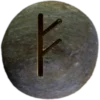
The rune Fehu (ᚠ), pronounced fay-hoo, connects to Gerðr through its association with wealth, growth, and the movement of resources that sustain life. This rune reflects the productive aspect of land and the abundance that arises from careful cultivation and balanced relationships. Such qualities align with Gerðr’s connection to fertility and Natural Cycles.
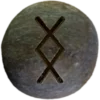
The rune Ingwaz (ᛜ or ᛝ), pronounced ing-wahz, also aligns with Gerðr because it represents potential, gestation, and the contained energy that leads to growth and renewal. This rune emphasizes the quiet strength that precedes visible change, which mirrors the role Gerðr plays within narratives of union and transformation. Together, these runes highlight themes of development and continuity.
Gerðr and Contemporary Spiritual Importance
Gerðr holds importance for Asatruar who engage with traditional figures as representations of natural forces and relational dynamics that shape human experience. Her story provides a framework for understanding how connection, negotiation, and commitment influence both personal and communal life. This perspective encourages thoughtful reflection on the role of relationships in creating balance.
Practitioners often view Gerðr as a symbol of fertile potential and grounded strength, qualities that support growth and stability in various aspects of life. Engaging with her story allows individuals to explore how patience, persistence, and mutual agreement contribute to meaningful outcomes. This approach fosters a deeper awareness of how actions influence long term results.
Gerðr also reinforces the importance of respecting autonomy and recognizing the value of deliberate choice within relationships. Her portrayal encourages individuals to consider how decisions shape both immediate experiences and future developments. This enduring relevance ensures that her presence continues to inspire reflection and engagement within contemporary practice.