Last Updated on April 18, 2026
Table of Contents
Aðalhendingar and the Precision of Full Internal Rhyme
Aðalhendingar describes a refined poetic technique found in Old Norse verse, where full internal rhyme binds stressed syllables through matching consonants and vowels. Most pronounce Aðalhendingar as AH-thal-hen-ding-ar, where the letter ð sounds like TH in this, and the rhythm flows evenly across each syllable. The term derives from Old Norse aðalhendingar, sometimes written as adalhendingar in simplified form, though the original spelling preserves historical phonetic detail. This technique represents a high level of linguistic control, since poets must align sound, structure, and meaning within strict metrical frameworks.
Poets who mastered Aðalhendingar demonstrated exceptional skill, because the requirement for exact rhyme within a line left little room for improvisation or careless phrasing. Each pair of rhyming syllables had to correspond fully, ensuring that both vowel and consonant sounds matched precisely while maintaining coherence within the verse. This demand elevated the technique beyond simple ornamentation, transforming it into a central feature of poetic construction that shaped the entire composition. Through this precision, Aðalhendingar contributed to the dense and intricate texture that defines classical Skaldic Poetry.
Historical usage places Aðalhendingar within Dróttkvætt meter, pronounced DROHT-kvet, where poets adhered to strict rules governing syllable count, stress placement, and internal rhyme patterns. This structure required extensive training, since performers needed to internalize complex rules while delivering verses fluently in oral settings. Audiences familiar with the form recognized the effort involved, which enhanced appreciation for both technical mastery and creative expression. Through this shared understanding, Aðalhendingar became a hallmark of poetic excellence within its cultural context.
Phonetic Structure and Linguistic Detail
Aðalhendingar relies on full rhyme within a line, meaning that corresponding syllables share identical vowel and consonant sounds, creating a clear and resonant auditory effect. This structure contrasts with techniques that use partial rhyme, since it produces a stronger sense of closure and cohesion within each segment of verse. Poets carefully selected words that satisfied these phonetic requirements while preserving meaning, which demanded both linguistic knowledge and creative flexibility. Such precision ensured that each line carried both aesthetic beauty and semantic depth.
Pronunciation plays a crucial role in understanding Aðalhendingar, especially when encountering Old Norse characters that differ from modern English conventions. The letter ð, as noted earlier, produces a voiced TH sound, while æ, pronounced like the a in cat, appears in related forms and influences vowel quality. Accurate articulation allows listeners to perceive the full rhyme structure, which might otherwise remain obscure when rendered in modern pronunciation. This attention to sound reveals how closely meaning and phonetics intertwine within the technique.
Artistic Significance and Modern Engagement
Aðalhendingar continues to attract interest among scholars and poets who seek to understand or recreate the complexity of early poetic traditions. This technique challenges modern writers to consider how structure shapes expression, encouraging experimentation that balances constraint with creativity. Some attempt to adapt Aðalhendingar into contemporary languages, though differences in phonology often require modification of original rules. These efforts highlight both the difficulty and enduring appeal of the form.
Educational contexts often use Aðalhendingar to illustrate principles of phonetics, metrics, and historical linguistics, since it provides a concrete example of how sound patterns function within structured verse. Students who engage with this technique develop greater awareness of language mechanics, improving both analytical and creative abilities. Continued study ensures that Aðalhendingar remains relevant, bridging historical knowledge with modern exploration of poetic form and expression.
Runes Reflecting the Structure of Aðalhendingar
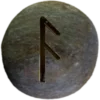
Two Elder Futhark runes align with the precision and expressive control required for Aðalhendingar, since they represent communication, structure, and the disciplined use of creative energy. Ansuz (ᚨ), pronounced AHN-sooz, symbolizes speech, wisdom, and the deliberate shaping of language into meaningful form, making it closely connected to techniques that depend on exact phonetic alignment. This rune reflects the importance of clarity and intention, both of which underpin the successful use of full internal rhyme.
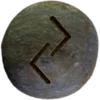
Jēra (ᛃ), pronounced YEH-rah, complements this by representing cycles, timing, and the orderly progression of effort toward a refined outcome. Aðalhendingar requires patience and repetition, since poets must refine their work until each element aligns perfectly within the structure. Together, these runes illustrate how disciplined practice and thoughtful expression combine to produce poetry that resonates with both technical precision and creative depth.
The Importance of Aðalhendingar to Asatruar
Aðalhendingar holds significance for Asatruar because it exemplifies the intellectual and artistic achievements preserved within early Germanic poetic traditions. Practitioners who study this technique gain insight into the values of discipline, skill, and intentional expression that shaped historical cultural practices. This understanding strengthens connection to ancestral heritage, encouraging deeper respect for the complexity embedded within traditional forms.
Engagement with Aðalhendingar also supports personal development, since it encourages careful thought, attention to detail, and creative problem solving within structured constraints. Asatruar who explore these techniques often find that they enhance both communication skills and appreciation for linguistic artistry. It continues to serve as a meaningful link between historical knowledge and contemporary cultural expression.