
Last Updated on April 18, 2026
Table of Contents
Skothendingar and the Subtle Art of Internal Rhyme
Skothendingar refers to a specific poetic technique found in Old Norse verse, particularly within skaldic compositions that demand precision, memory, and vocal control. Most pronounce Skothendingar as SKOHT-hen-ding-ar, where the first syllable carries a rounded vowel sound, and the final segment flows quickly with a light emphasis. The word derives from Old Norse skothendingar, sometimes spelled skothending or skothendingr in singular form, each variation reflecting grammatical context within the language. This technique involves half rhyme or consonant rhyme, where consonants align while vowels differ, creating a subtle sonic texture that challenges both poet and listener.
Poets who employed Skothendingar demonstrated mastery over language, since the structure required careful selection of words that fit both meaning and phonetic constraints. Unlike full rhyme, which offers immediate auditory satisfaction, this method creates tension that rewards attentive listening and deeper engagement with the verse. It often appeared alongside Aðalhendingar, pronounced AH-thal-hen-ding-ar, which used full internal rhyme, allowing poets to alternate between different sound patterns within a single composition. This interplay between rhyme types gave Skaldic Poetry its distinctive density and layered complexity.
Historical examples show that Skothendingar played a crucial role in Dróttkvætt meter, pronounced DROHT-kvet, where strict rules governed syllable count, stress patterns, and internal rhyme placement. Poets didn’t rely on improvisation alone, since they trained extensively to internalize these structures and deliver them with precision during performances. Audiences familiar with the form appreciated the skill required to maintain coherence while adhering to such demanding constraints. Through this shared understanding, Skothendingar contributed to a cultural environment that valued intellectual rigor and artistic discipline.
Structure and Linguistic Function of Skothendingar
Skothendingar operates through consonant correspondence, where matching sounds occur within stressed syllables, yet vowel variation prevents the formation of full rhyme. This approach creates a textured auditory effect that feels both connected and slightly unresolved, encouraging listeners to focus on subtle distinctions in pronunciation. Poets often positioned these rhymes strategically within a line, ensuring that they aligned with metrical stress while supporting the overall narrative or thematic content. This careful placement required a deep understanding of phonology and linguistic rhythm.
Pronunciation plays an essential role when analyzing or performing Skothendingar, since accurate articulation highlights the intended sound relationships between words. For example, consonant clusters must remain clear, while vowel differences should remain distinct enough to preserve the half rhyme effect. Modern readers sometimes struggle with these nuances, especially when encountering Old Norse orthography that includes characters such as ð, pronounced TH as in this, and þ, pronounced TH as in thin. Understanding these sounds allows a more authentic appreciation of how it functions within its original context.
Artistic Impact and Continued Study
Scholars and enthusiasts continue to study Skothendingar because it reveals the sophistication of early poetic traditions and the intellectual demands placed on those who practiced them. This technique challenges modern assumptions about oral cultures, demonstrating that complexity and precision thrived without reliance on written aids. Contemporary poets sometimes experiment with Skothendingar, adapting its principles into modern languages while acknowledging the difficulty of replicating its original effect. These efforts highlight the enduring appeal of structured creativity rooted in historical practice.
Educational settings often use Skothendingar as a tool to explore phonetics, metrics, and comparative linguistics, since it provides a clear example of how sound patterns influence meaning and aesthetic experience. Students who engage with this technique develop heightened awareness of language structure, improving both analytical and creative skills. Through continued exploration, Skothendingar remains a valuable subject that bridges historical study and modern artistic experimentation.
Runes Reflecting the Craft of Skothendingar
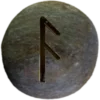
Two Elder Futhark runes align closely with the structured and expressive qualities found in Skothendingar, since they represent communication, precision, and creative insight within a disciplined framework. Ansuz (ᚨ), pronounced AHN-sooz, embodies speech, inspiration, and the transmission of meaning through carefully chosen words, making it highly relevant to any poetic technique that relies on nuanced sound relationships. This rune connects with the pursuit of articulate expression, reinforcing the importance of clarity and intention within structured verse.
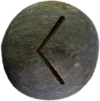
Kenaz (ᚲ), pronounced KAY-nahz, complements this by symbolizing the controlled flame of creativity that shapes raw thought into refined artistic output. Skothendingar requires this balance between inspiration and discipline, since poets must manage both sound and sense simultaneously. Together, these runes reflect the interplay between technical mastery and creative energy, illustrating how structured language can carry depth, beauty, and intellectual challenge within a cohesive poetic form.
The Importance of Skothendingar to Asatruar
Skothendingar holds importance for Asatruar because it demonstrates the depth and sophistication of ancestral poetic traditions that continue to influence modern understanding of language and expression. Practitioners who study these techniques gain insight into how historical communities valued skill, memory, and intellectual engagement within artistic practice. This awareness strengthens connection to cultural heritage, encouraging deeper respect for the craftsmanship embedded within traditional forms.
Asatruar also benefit from engaging with Skothendingar because it encourages disciplined creativity and thoughtful communication, both of which support meaningful participation in communal and spiritual life. By exploring these structures, individuals develop a greater appreciation for the role of language in shaping identity and shared experience. Skothendingar therefore serves as both a historical artifact and a living source of inspiration that continues to inform and enrich contemporary practice.