Last Updated on July 5, 2026
Table of Contents

Respecting Personal Choice Within Asatru Traditions
Proselytizing in Asatru Society, and why it’s frowned upon reflects an important cultural value shared by many modern Asatru communities. Asatru is usually pronounced “AH sa troo,” although many speakers pronounce the original Icelandic spelling, Asatru, as “OW sa troo.” The accented letter Á sounds similar to the “ow” in “cow,” while the letter ú sounds like the “oo” in “food.” English publications often use Asatru without diacritical marks because many readers find it easier to type and recognize. Other common names that appear alongside Asatru include Asatru, Heathenry, Norse Paganism, Germanic Paganism, and Germanic Heathenry, although many practitioners view those terms as related rather than completely identical.
Many Asatruar believe that religion should develop through personal discovery instead of organized recruitment via unsolicited proselytizing. They encourage sincere questions, thoughtful research, and respectful conversations while avoiding pressure that attempts to persuade someone into changing deeply held beliefs. This approach reflects a conviction that spiritual commitment carries greater meaning when individuals choose their path freely after careful reflection and personal experience.
Unlike many missionary religions, Asatru generally has no universal expectation that followers should increase membership through active conversion efforts. Individual kindreds, hearths, and organizations often welcome visitors who express genuine curiosity, yet they rarely encourage members to seek converts through public campaigns or persistent persuasion. Most communities prefer to share information openly while allowing every person to decide whether the tradition fits their own spiritual journey.
This outlook also recognizes that different religions serve different people for different reasons throughout life. Many practitioners believe that spiritual diversity deserves respect because every individual experiences family traditions, personal values, and religious interests through unique circumstances. Honest discussion remains welcome, although conversations usually emphasize education rather than convincing someone to abandon an existing faith through bellicose proselytizing.
Historical Foundations and Community Values Vs. Religious Proselytizing
Historical context explains much of this attitude because pre Christian Norse religious traditions spread through families, local customs, and neighboring communities instead of organized missionary movements. Religious life centered upon shared rituals, seasonal observances, and community relationships that strengthened existing social bonds rather than expanding through formal conversion campaigns. Modern practitioners often view that historical pattern as an example worth preserving while adapting ancient traditions to contemporary life.
Many Asatruar also value personal honor, responsibility, hospitality, and mutual respect as important guiding principles. Aggressive recruitment and proselytizing can appear inconsistent with those ideals because pressure may undermine another person’s ability to make thoughtful spiritual decisions without outside influence. Respectful invitations to public events, educational discussions, and community celebrations therefore replace organized efforts that focus primarily upon increasing membership.
Communities also recognize that modern religious freedom allows every person to explore beliefs without coercion. They often encourage newcomers to read historical sources, examine scholarly research, and participate in open conversations before making any lasting commitment. That process creates informed participation while helping individuals understand both the diversity and complexity that exist within contemporary Asatru traditions.
Modern Perspectives and Common Misunderstandings
Some people mistakenly assume that every religion seeks new followers through active evangelism, although that expectation rarely matches the customs found within many Asatru communities. Practitioners frequently explain their beliefs when someone expresses sincere interest, yet they usually avoid proselytizing and repeated invitations or emotional appeals designed to produce immediate religious commitment. This distinction separates education from recruitment while preserving respect for individual autonomy.
Modern Asatru includes independent practitioners, local kindreds, national organizations, and informal study groups that sometimes interpret traditions differently while sharing similar attitudes toward voluntary participation. Most agree that curiosity should arise naturally because authentic spiritual interest cannot grow through constant persuasion or social pressure. This perspective encourages meaningful relationships between people of different religions while supporting peaceful coexistence within diverse societies.
Understanding why proselytizing receives little encouragement within Asatru ultimately requires recognizing that community culture values freedom of conscience above numerical growth. Members often believe lasting faith develops through experience, study, personal reflection, and genuine conviction instead of organized recruitment strategies. That philosophy continues to shape how many Asatruar introduce their traditions to newcomers while preserving an atmosphere built upon openness, honesty, and mutual respect.
Elder Futhark Runes Associated With Respectful Spiritual Exchange Without Proselytizing
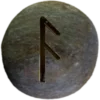
Ansuz (ᚨ), pronounced “AHN sooz,” often represents wisdom, inspired communication, learning, and thoughtful speech within Elder Futhark traditions. Many practitioners connect this rune with sincere dialogue because meaningful conversations encourage understanding without creating pressure to accept another person’s religious beliefs. Its symbolism reminds participants that respectful communication carries greater value than persuasive arguments that seek immediate agreement.
Gebō (ᚷ), pronounced “GAY boh,” symbolizes gifts, reciprocity, generosity, and balanced relationships between individuals who freely exchange trust and goodwill. Many Asatruar associate this rune with voluntary spiritual sharing because genuine gifts require willing acceptance rather than obligation or manipulation. Together, Ansuz (ᚨ) and Gebō (ᚷ) illustrate how knowledge, hospitality, and friendship can strengthen community relationships while honoring every person’s freedom to choose a spiritual path according to personal conviction.
Why Avoidance of Proselytizing Matters to Asatruar
Many Asatruar consider the rejection of aggressive proselytizing important because it protects individual choice while reinforcing values that encourage honesty, responsibility, hospitality, and mutual respect within everyday community life. This principle helps create welcoming environments where newcomers can ask questions, attend public gatherings, and study historical traditions without feeling pressured into making immediate spiritual commitments. Communities often believe that genuine faith develops through personal experience, careful learning, and thoughtful reflection instead of persuasive campaigns designed to increase membership. That outlook strengthens trust between participants while encouraging positive relationships with people from many religious backgrounds. Respect for personal conscience therefore remains an essential part of modern Asatru because voluntary belief reflects authentic commitment and supports lasting community harmony.