Last Updated on June 11, 2026
Table of Contents
Samsey in Norse Legendary Tradition
Samsey, pronounced SAM see, appears in the legendary material surrounding the Hervarar saga ok Heiðreks as the haunted island connected with the burial of the warrior Angantyr and the cursed sword Tyrfing. Readers may also encounter the spellings Samsey, Samsø, or Samso in translations and historical discussions, although Samsey remains common in many English retellings. The Danish letter ø, when present in Samsø, sounds somewhat like the vowel in the English word burn when spoken with rounded lips.
The island occupies a special place within the saga because it serves as the location where memory, fate, and supernatural power intersect through dramatic encounters between the living and the dead. Rather than functioning as a simple backdrop, Samsey shapes the mood and emotional force of the narrative through its eerie atmosphere and legendary reputation. Its association with burial mounds and restless spirits transforms an isolated landscape into a place of lasting symbolic importance.
Many readers remember Samsey because Hervör journeys there to recover Tyrfing from the grave of her father despite terrifying warnings and ghostly resistance. Her determination contrasts with the fear expressed by others, highlighting the island as a testing ground for courage and resolve. The setting therefore becomes inseparable from the heroine’s defining achievement and from the saga’s exploration of destiny.
Legends surrounding Samsey blend historical geography with imaginative storytelling, encouraging audiences to reflect on how real places can acquire mythical meaning through repeated narration. Writers and scholars often discuss the island when examining the relationship between folklore and landscape in medieval Scandinavian literature. That combination of tangible location and supernatural tradition continues to inspire fascination among modern readers.
The Haunted Burial Ground and Tyrfing
The most famous episode involving Samsey centers on the burial mound where Angantyr and his companions rest with the cursed sword Tyrfing after their deaths in battle. Stories describe flames, unnatural sights, and ghostly voices that discourage intruders from approaching the grave. These details create an atmosphere of suspense while emphasizing the dangerous legacy connected with the weapon.
Hervör arrives at the mound and boldly summons her father’s spirit, refusing to retreat despite repeated warnings that disturbing the dead will invite suffering. Angantyr answers reluctantly and attempts to persuade her that the sword carries misfortune instead of glory. She nevertheless insists upon claiming her inheritance because she believes family duty requires decisive action rather than fearful hesitation.
The exchange between father and daughter elevates Samsey beyond an ordinary island by presenting it as a threshold between the human world and the supernatural realm. Conversations with the dead, ancient obligations, and inherited responsibility converge within a single memorable scene that has captivated generations of readers. As a result, Samsey remains one of the saga’s most recognizable locations.
Cultural Meaning and Continuing Interest
Samsey represents more than physical geography because the island embodies themes of memory, ancestry, courage, and the enduring consequences of earlier choices. Characters who travel there confront emotional as well as supernatural challenges while facing truths that reshape their understanding of family history. The location therefore functions as both a destination and a powerful narrative symbol.
Modern interpretations frequently view Samsey as a literary landscape where hidden fears and inherited burdens emerge into plain sight through encounters that demand moral strength. Historians often distinguish between legendary embellishment and historical evidence while acknowledging the saga’s cultural value and enduring influence. That balanced perspective allows appreciation of the story without confusing myth with documented fact.
Contemporary audiences continue to explore Samsey through translations, academic research, novels, games, and discussions devoted to Norse legend and medieval storytelling. The island’s haunted reputation and connection with Tyrfing ensure that it occupies a memorable place within the wider cycle of heroic narratives. Even after many centuries, Samsey remains closely associated with bravery in the face of mystery and the lasting power of ancestral legacy.
Elder Futhark Runes Commonly Associated with Samsey
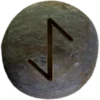
Although no surviving source assigns Elder Futhark runes directly to Samsey, modern symbolic interpretations often connect the island with Eihwaz (ᛇ) and Perthro (ᛈ) because their themes resemble elements found within the legendary narrative. Eihwaz (ᛇ), pronounced EYE wahz, commonly represents endurance, transformation, resilience, and the relationship between life and death in many contemporary explanations of runic symbolism. Those ideas fit the island’s role as a place where the living confront ancestral spirits and difficult truths.
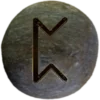
Perthro (ᛈ), pronounced PAIRTH roh or PEHR thro according to differing scholarly traditions, often symbolizes hidden knowledge, mystery, fate, and uncertain outcomes. Readers who associate this rune with Samsey point to the island’s secrets, haunted burial mound, and pivotal role in revealing the destiny connected with Tyrfing. These connections remain interpretive rather than historical, yet they provide meaningful symbolic frameworks for many enthusiasts.
The Importance of Samsey to Asatruar
Many Asatruar regard Samsey as an evocative legendary setting that illustrates respect for ancestry, courage during adversity, and thoughtful engagement with stories preserved from the pre Christian North. The island’s role within the saga encourages reflection on inherited responsibility and the consequences attached to powerful choices instead of celebrating conflict without restraint. Its haunted reputation also highlights the enduring relationship between memory and place.
Some practitioners appreciate Samsey because it serves as a symbolic landscape where determination overcomes fear while family obligations remain central to personal identity. The narrative surrounding Hervör and Angantyr offers opportunities for discussion about honor, resilience, and the wisdom required when confronting dangerous legacies. Although beliefs differ among individuals and communities, Samsey continues to hold significance as a memorable location within Norse legendary tradition.