Last Updated on May 31, 2026
Table of Contents

Understanding Hófgangr in Norse Religious Tradition
Hófgangr refers to a ritual procession associated with religious practice in the Norse cultural world. The term combines elements connected with sacred space and purposeful movement, creating a meaning that scholars generally interpret as a ceremonial journey or procession related to a temple or holy site. The word hófgangr is commonly pronounced “HOHV gahngr,” where the accented ó sounds similar to the vowel in “go,” held slightly longer. The final element gangr sounds close to “gahngr,” with the Icelandic pronunciation retaining a distinct rolled or firm consonant quality.
Several alternate spellings appear in modern discussions, including hofgangr, hǫfgangr, and Hof-gangr. The letter ǫ, when encountered in Old Norse texts, is often pronounced approximately as “aw” or “oh” depending on scholarly reconstruction. These variations usually reflect differences in manuscript traditions, editorial preferences, or modern transliteration practices rather than changes in meaning.
Within the Norse religious framework, processions served practical and symbolic purposes. Participants did not simply travel from one location to another. Instead, they marked sacred time through deliberate movement, reinforced communal bonds, and expressed reverence toward divine powers through visible collective action.
Religious gatherings often involved temples, sacred groves, ceremonial feasts, and seasonal observances. A procession connected these activities by creating a structured path that united participants in a shared experience. Such movement transformed ordinary space into ritual space, allowing communities to engage with traditions that linked the human world to divine and ancestral forces.
Historical evidence for specific ceremonial practices remains incomplete because pre Christian Scandinavians left relatively few direct descriptions of their rituals. Archaeological discoveries, literary sources, and comparative studies nevertheless suggest that formal processions likely formed part of important gatherings. Hófgangr therefore represents a concept that reflects both movement and sacred intention within Norse religious life.
Symbolism and Community Functions
The symbolic value of hófgangr extends beyond physical travel. Ritual movement often represented a transition between ordinary concerns and sacred responsibilities. Participants entered a different frame of mind through shared action, creating a sense of unity that strengthened community identity and reinforced collective memory.
Leaders, priests, chieftains, or respected elders may have guided ceremonial journeys during major observances. Their presence provided structure and continuity while connecting participants with established customs. Community members could witness sacred objects, hear ritual words, and take part in activities that affirmed social and spiritual relationships.
Many scholars note that movement plays an important role in religious traditions throughout the world. Walking together creates opportunities for reflection, cooperation, and symbolic participation. Hófgangr likely fulfilled similar functions by bringing individuals into a common experience that emphasized belonging and shared purpose.
Seasonal celebrations may have offered particularly important occasions for ritual processions. agricultural cycles, seasonal transitions, and communal feasts required cooperation among many people. Ceremonial journeys could therefore help mark significant moments while reinforcing connections among families, neighbors, and local leaders.
The concept also highlights the relationship between landscape and spirituality. Sacred locations often gained meaning through repeated visits and recurring ceremonies. A procession connected people with familiar places while reminding participants of stories, traditions, and beliefs associated with those sites.
Legacy and Modern Understanding
Modern interest in hófgangr reflects a broader fascination with Norse religious customs and cultural history. Researchers continue to examine archaeological evidence, linguistic details, and literary references in order to better understand how ritual activities functioned within Scandinavian society. Although many specifics remain uncertain, the idea of ceremonial movement remains an important element in discussions about pre Christian worship.
Contemporary interpretations frequently emphasize community participation and symbolic action. Rather than focusing solely upon destinations, scholars often examine how the journey itself shaped religious experience. This perspective helps explain why processions appeared in many historical traditions and why they continue to attract attention today.
Hófgangr also illustrates the importance of shared practice within spiritual communities. Collective participation allowed individuals to contribute to something larger than themselves while affirming common values and traditions. Such experiences strengthened social bonds and encouraged continuity across generations.
The enduring interest surrounding hófgangr demonstrates how even a simple act of walking together can carry profound meaning. Through ritual movement, participants connected sacred places, communal identity, and religious purpose within a single ceremonial framework. That combination of symbolism and action helps explain why the concept remains significant in studies of Norse culture and spirituality.
Elder Futhark Runes Associated with Hófgangr
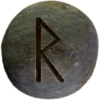
One Elder Futhark rune often associated with hófgangr is Raido (ᚱ), pronounced “RYE tho.” Raido (ᚱ) represents journeys, ordered movement, travel, and the proper progression of events through established paths. These qualities align closely with the concept of a ritual procession because participants move together with intention rather than wandering without purpose. The rune also carries associations with structure and communal direction, themes that fit ceremonial gatherings where individuals share a common destination and spiritual goal.
Another rune frequently connected with hófgangr is Ehwaz (ᛖ), pronounced “EH wahz.” Ehwaz (ᛖ) symbolizes partnership, cooperation, trust, and harmonious movement between individuals working toward a shared objective. A ritual procession depends upon collective participation, making this rune a fitting symbolic companion. Together, Raido (ᚱ) and Ehwaz (ᛖ) reflect orderly travel, communal effort, and the spiritual significance of moving through sacred space with unity and purpose.
Importance of Hófgangr to Asatruar
Many Asatruar value hófgangr because it expresses the importance of community participation within religious practice. A ceremonial procession allows individuals to move together with shared intention while reinforcing connections among participants. This collective action helps strengthen relationships and encourages a sense of belonging within the wider spiritual community.
Hófgangr also provides a meaningful way to connect sacred observances with the surrounding landscape. Participants engage directly with places that hold cultural, historical, or spiritual significance rather than limiting activities to a single location. That experience encourages reflection upon tradition, ancestry, and the relationship between people and the natural world.
For many Asatruar, hófgangr represents continuity, cooperation, and purposeful action. The practice highlights the value of shared experience while reminding participants that spiritual growth often occurs through communal effort as well as individual devotion.